
Dynamic Pricing and Guest Perception in an Era of Distrust



Trust is a fundamental pillar of any relationship, and this is no different when we talk about the connection between a guest and a hotel. According to a Gartner study, 80% of consumers consider brands with consistent pricing to be more trustworthy, and 42% are willing to pay more if that consistency is guaranteed. These figures reveal a compelling reality: dynamic pricing strategies, while effective in maximising revenue, can create a negative perception among customers—to the point where they may feel they are being taken advantage of.
In hospitality, dynamic pricing is standard practice. We adjust rates according to demand, seasonality and multiple external factors. However, this practice may be perceived as unfair if customers notice significant inconsistencies. Sixty-eight percent of consumers feel distrustful of brands that use this approach, directly affecting loyalty and perceived value. The question we need to ask ourselves is: how do we balance a dynamic revenue strategy without losing the guest’s trust?
At the same time, we are living in a moment when emotions play a crucial role in purchasing decisions. The same survey reveals that 68% of customers are motivated by intrinsic reasons or personal improvement to reduce their consumption, meaning that guests are not only looking for a good deal, but also for purpose behind their choices. If your hotel can offer a balance between clear pricing and authentic values, you will be building an emotional bridge that is difficult to break.
Furthermore, in this context of distrust around pricing, another interesting finding emerges: the positive impact of automation technologies. According to Gartner, 74% of consumers are open to automated technologies, such as delivery drones or cashierless systems, and 30% have already tried them and are willing to use them again. This finding invites us to consider how these tools can be integrated into the hotel experience to create value, streamline processes and, at the same time, improve perceptions of transparency and modernity.
This is not about eliminating dynamic pricing strategies or implementing technology simply for the sake of it. The key lies in communicating the value of these practices and ensuring that guests understand the reasoning behind decisions. If we achieve this, we will not only be building a higher-quality experience, but also rebuilding trust and strengthening the relationship with our customers.
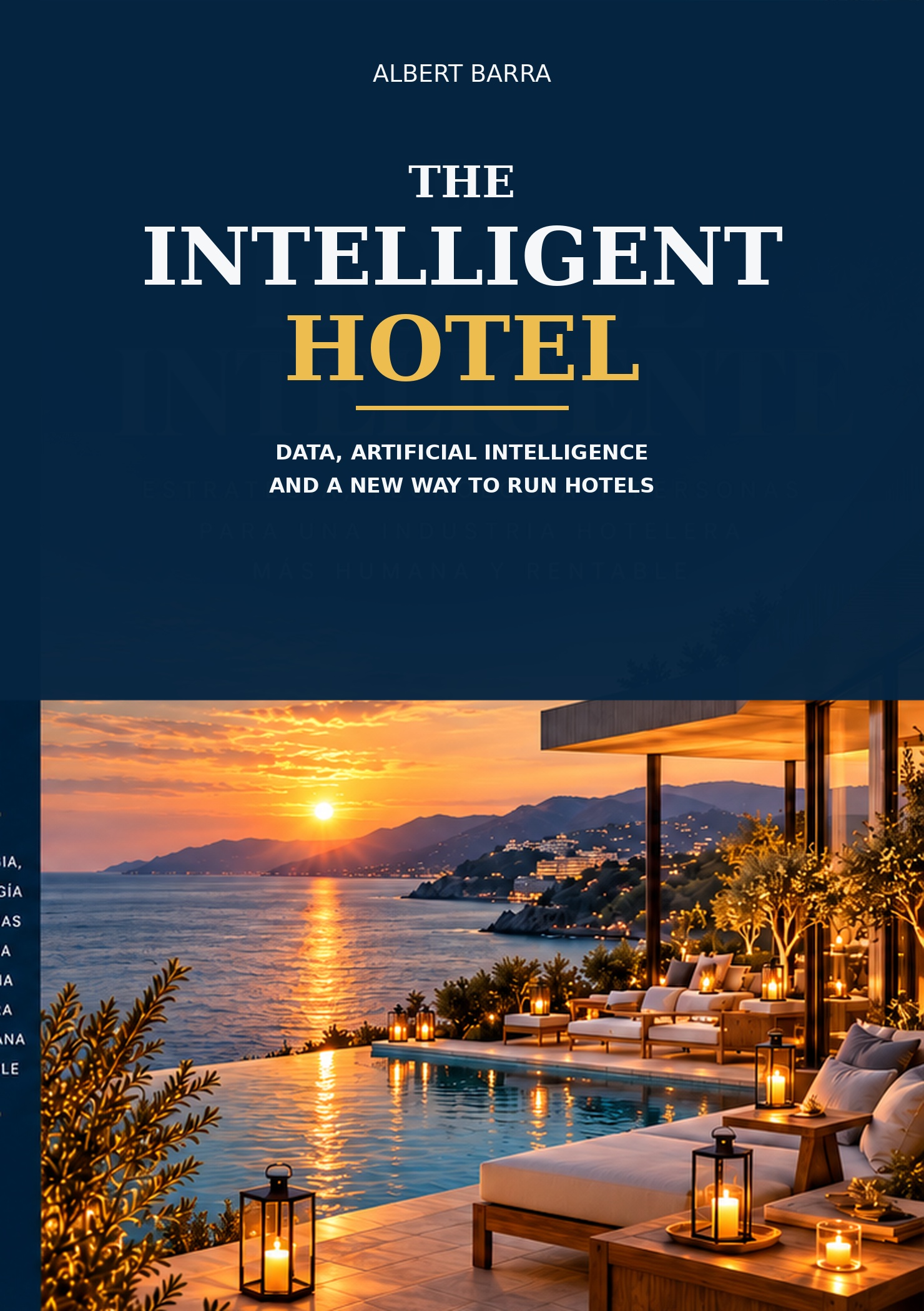


My published books
The challenge of combining pricing consistency with a flexible strategy may seem complex, but it is not impossible. Below, I share a number of practices that can help you build trust and improve perceived value:

- Complete transparency in your pricing policy: Explain to guests how rates are determined. You can include details about the factors that affect pricing, such as seasonal demand or local events. This not only reinforces perceptions of honesty, but also educates the customer.
- Consistent, personalised offers: Design exclusive packages for specific segments, such as repeat bookings or extended stays, with clear pricing and specific benefits. These packages should be designed to foster loyalty, making it clear that frequent guests receive additional advantages.
- Ongoing communication of added value: It is not only about the price; it is about what the guest receives in return. Highlight the benefits included in the rate, such as complimentary services, unique experiences or exclusive access to certain facilities.
- Strategic use of technology to reinforce trust: Automated check-in systems, personalised virtual assistants and price-comparison tools on your own website are examples of how technology can enhance the experience while also reinforcing perceptions of transparency.
- Pricing surveys and feedback: Actively listen to your customers. Ask them where they feel the price is fair and where they believe inconsistencies may exist. This information will not only enable you to refine your strategies, but will also show guests that you value their opinions.
- Implementing loyalty benefits: A loyalty programme that rewards repeat stays and offers preferential rates to regular guests is a powerful way to combine consistency and pricing flexibility.
- A clear narrative around your commitment to sustainability: With 68% of consumers reducing their consumption for personal or sustainability-related reasons, communicating how your pricing reflects responsible practices—such as using renewable energy or supporting local suppliers—can be a key differentiator.
Hospitality is an art of constantly balancing financial objectives with customer expectations. Incorporating these strategies can not only improve the perception of your rates, but also strengthen the emotional relationship with your guests.
To conclude, always remember to adapt these practices to your specific context. Not all hotels share the same priorities or face the same challenges, but consistency, transparency and value are universal. And if current customer behaviour has taught us anything, it is that trust is an asset we cannot afford to lose. From a small gesture to a comprehensive strategy, every action matters in building stronger, longer-lasting relationships.
This article ends here. The archive does not.
Lead Hospitality brings together 1200 English articles published since 2018: years of experiences, decisions and lessons you can keep exploring.
What would you like to explore next?
Choose a direction and keep reading around what you want to solve, learn or challenge.