
Welcoming Pets Means Committing to Operations

Accepting pets can drive demand and strengthen positioning, but it also consumes rooms, time, cleaning resources and operational capacity. This analysis outlines how to build a pet-friendly operation with dedicated inventory, cross-department protocols, transparent rules, financial KPIs and a P&L that shows its true profitability.
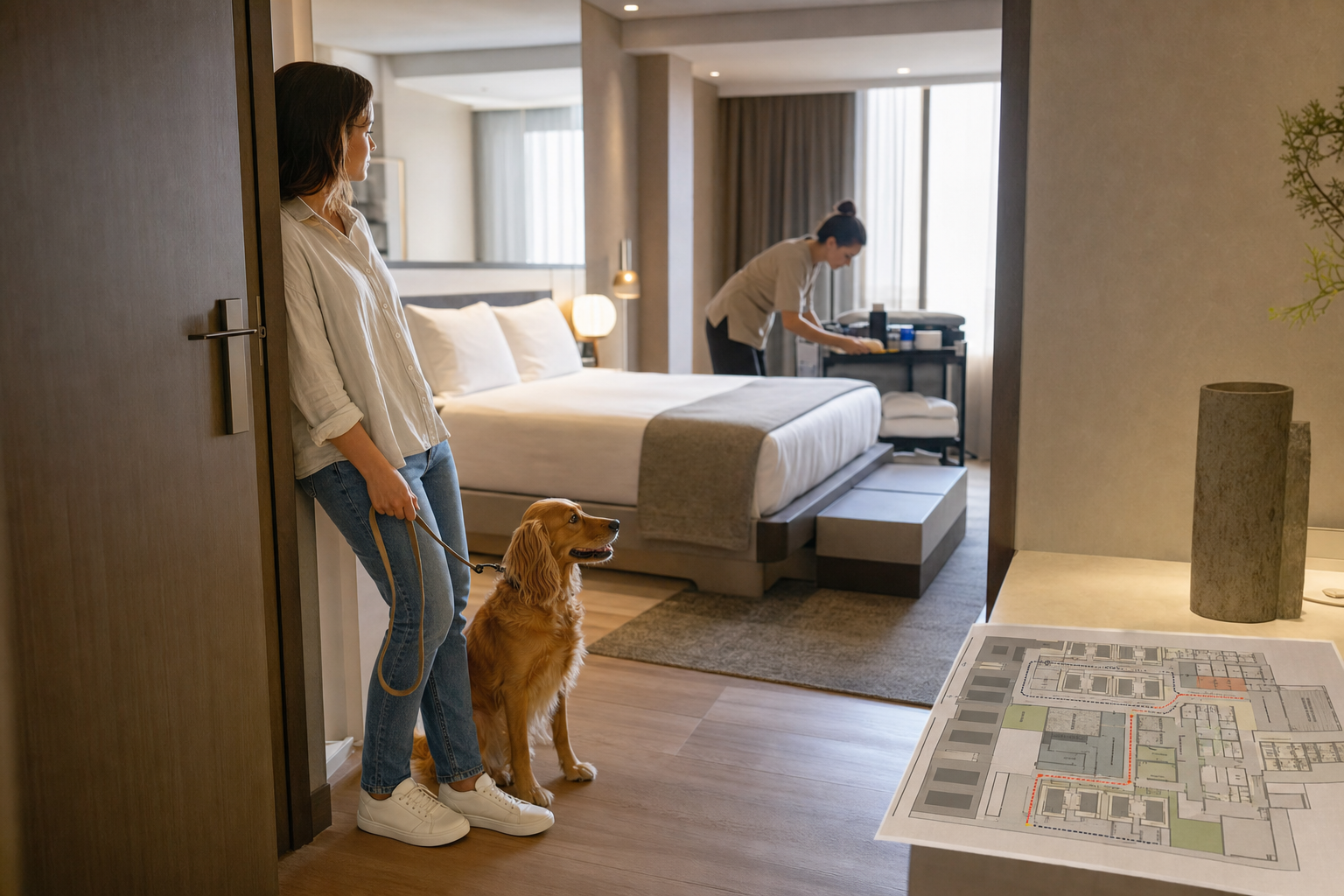

One high-occupancy afternoon, I saw a couple arrive with a fairly large dog, two suitcases, a foldable bed for the animal and the confidence of guests who had confirmed several times that the hotel was pet-friendly. The booking included the relevant fee, and the website featured a welcoming photograph of a dog beside a guestroom door. Everything appeared to be in order until we started asking questions. No one knew for certain which entrance the animal should use, which areas it could access, whether it had to remain supervised in the room or who would be responsible for the additional cleaning after departure. We had a commercial label, a paid booking and very little operational structure behind it.
The incident did not end in disaster, but it exposed a weakness I have encountered in more hotels than I would like to admit. Accepting pets is often decided as a hotel marketing initiative, translated into an icon across sales channels and topped off with a fee set by competitive comparison. Operations then receives the news much as it receives some early arrivals: when they are already at the door. Housekeeping discovers it needs more time, Front Desk interprets the rules on the fly, Food & Beverage improvises where to seat the family, and the guest without a pet wonders why they can hear barking in the corridor.
Keep reading without waiting for the next reset
Your free access includes 6 reads per week. Subscribe to continue now.