
The Hidden Cost of Cutting Costs Too Deeply: Balancing Hotel Profitability and Quality



Hotel management is a constant balancing act between profitability, quality and guest satisfaction. Yet in many properties, this delicate balance is disrupted when the obsession with cutting costs becomes the driving force behind every decision. Although often well-intentioned, this approach tends to overlook long-term impacts and the consequences for fundamental areas such as service, reputation and the people behind the operation. Ultimately, a hotel is not just about numbers; it is an experience that must create value for both the guest and the business.
I have seen how this obsession can turn operational decisions into a chain of sacrifices that affect every level of the operation. From the quality of the products used to employee motivation, everything begins to falter. And when cost reduction is pursued without a strategic vision, the consequences can be devastating: dissatisfied guests, demotivated teams and a reputation that is difficult to restore.
This article addresses a critical issue in our industry: how to manage cost savings without compromising the fundamental pillars of the business. Beyond indiscriminate cuts, it is necessary to find a balance that allows resources to be optimised without sacrificing quality. Because, ultimately, cutting corners can not only prove costly; it can cost us the hotel’s future.
It is not uncommon to find hotel properties where cost reduction becomes an obsession that governs every operational decision. This approach, often driven by ownership, tends to overlook key profitability, quality and guest satisfaction indicators. Yet what is often not considered is the impact this obsession has on the hotel manager’s day-to-day work, as they face the difficult task of balancing ownership’s expectations with operational realities.
When ownership insists solely on cutting costs, without a strategic vision or a thorough analysis of the consequences, the hotel manager faces challenges that are almost impossible to manage. On the one hand, they must meet the profitability targets set by ownership; on the other, they must ensure a quality experience that keeps guests satisfied and loyal. This balance becomes a constant juggling act, where any poorly planned cut can destabilise the entire operation.
The impact of a cost-only management approach
- Constant tension between expectations and resources: A hotel manager required to operate with reduced budgets faces the frustration of not having the resources needed to meet the service standards expected in the industry. This not only creates personal pressure, but can also lead to significant emotional and professional burnout.
- Difficulty motivating the team: When the obsession with costs affects areas such as salaries, benefits or staff resources, team morale plummets. It is then the manager who must “put out the fires”, dealing with complaints, low productivity and, in some cases, high employee turnover.
- Conflict between strategic and operational decisions: Many decisions based solely on cost reduction tend to run counter to operational best practice. For example, choosing cheaper materials or reducing staffing may seem like a short-term financial solution, but it creates inefficiencies, quality issues and even internal conflicts that ultimately affect the operation.
Managing this pressure through leadership
In my experience, when ownership is obsessed with costs, the hotel manager must adopt a clear strategy to manage both expectations and the resources available. Here are some key ideas:
- Educate ownership on key performance metrics:
- Explain the direct impact of guest satisfaction on revenue. For example, a 5% increase in customer retention can increase profits by between 25% and 95% (according to a Harvard Business Review report).
- Use metrics such as RevPAR and GOPPAR to demonstrate how higher-quality decisions produce better financial results.
- Propose solutions based on efficiency, not austerity:
- Rather than making indiscriminate cuts, identify specific areas in which resources can be optimised. For example, negotiate with suppliers to improve pricing or implement energy-efficiency programmes that reduce operating costs.
- Encourage open and transparent communication:
- It is important to establish a clear dialogue with ownership, keeping them informed of the consequences of certain decisions. Sometimes, they simply do not understand how a small cut can negatively affect the operation and long-term results.
- Support the team through adversity:
- When resources are limited, the manager’s role is essential in motivating and supporting employees. Recognising their efforts and finding creative ways to sustain engagement can make a significant difference in difficult times.
Lead Hospitality LibrarySee the booksBooks to run a hotel with judgement
Written from the general manager’s chair: technology, guest experience, leadership and management.
 Directing HotelsWhat Nobody Tells You Before You Sit in the General Manager’s Chair
 The Intelligent HotelData, Artificial Intelligence and a New Way to Run Hotels
 The Guest JourneyDesigning Customer Experience Across the Entire Hotel Journey
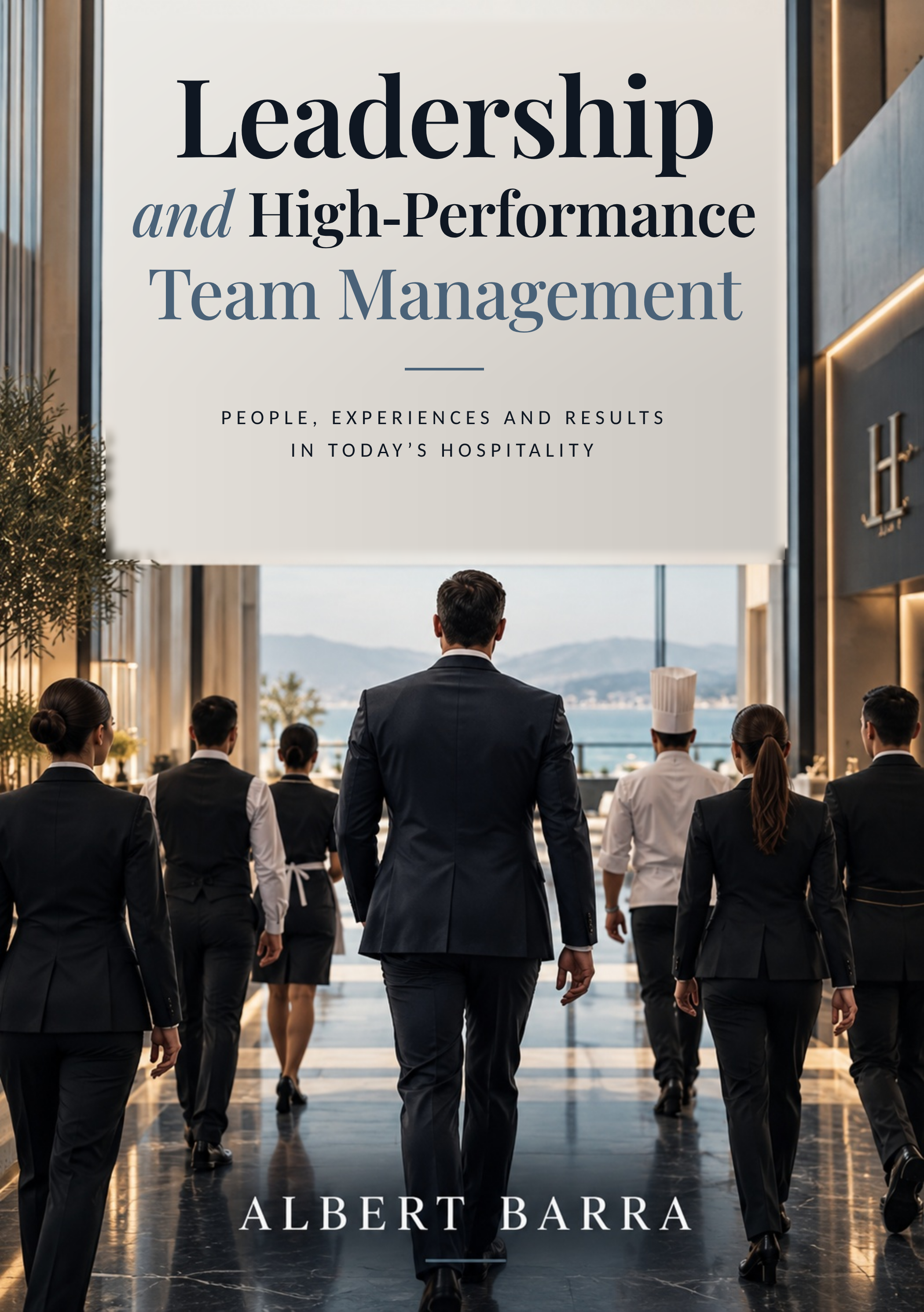 Leadership and High-Performance Team ManagementPeople, Experiences and Results in Today\\\'s HospitalityDigital edition · Personal licence · Free or discounted for subscribersSee all books →
 - Become a strategist rather than an implementer:
- While the hotel manager is responsible for implementing ownership’s decisions, they must also serve as its strategic adviser. Present analyses, success stories and alternative scenarios that demonstrate how a balanced approach can benefit the business.
Advice for managers in this situation
When ownership is obsessively focused on costs, the hotel manager needs to be more than an operational manager; they must be a strategic leader and effective communicator. This means translating numbers into tangible realities, using data to demonstrate how every decision affects the guest experience and the bottom line, and, above all, having the ability to defend what is best for the business as a whole.

Stop managing isolated systems. Start managing the whole hotel.
HotelGEX connects guests, operations, Revenue, F&B, Groups & Events and Management into one intelligent hotel context — so every decision starts with a clearer picture.
Remember: the greatest challenge is not simply reducing costs, but ensuring that every euro spent is an investment that creates value—not only for the bottom line, but also for the guest and the team. Because, at the end of the day, a hotel that saves irresponsibly risks losing far more than it gains.
The key lies in finding a balance between ownership’s interests and operational needs. This means making decisions based on data, not impulse, and remembering that every decision must be geared towards creating sustainable value for the business. Poorly planned savings may appear beneficial in the short term, but over the long term, the real cost is far greater.
In this regard, my recommendation is clear: invest time in educating ownership. Explain how strategic decisions, such as maintaining quality standards or training employees, generate tangible returns in the hotel’s profitability. Offering concrete examples, backed by data and success stories, can shift the mindset from a focus on costs to a growth-oriented perspective.
Do not overlook the essential role your team plays in this process. A motivated, well-trained staff can achieve a great deal with limited resources, but this requires leadership, empathy and ongoing communication. Listen to their ideas, involve them in finding solutions and ensure that, despite the constraints, they feel valued and supported. They are the engine of the operation and, ultimately, the ambassadors of the experience you provide.
Finally, remember that hospitality is a business built on relationships—not only with guests, but also with ownership, the team and suppliers. Keeping those relationships healthy requires balance, patience and vision. This is where a hotel manager’s leadership makes the difference, turning challenges into opportunities and ensuring that, even in a high-pressure environment, the hotel remains a place of excellence and profitability.
This article ends here. The archive does not.
Lead Hospitality brings together 1200 English articles published since 2018: years of experiences, decisions and lessons you can keep exploring.
What would you like to explore next?
Choose a direction and keep reading around what you want to solve, learn or challenge.