
Neuromarketing in Hotels: What Wine and Cola Brands Can Teach Us

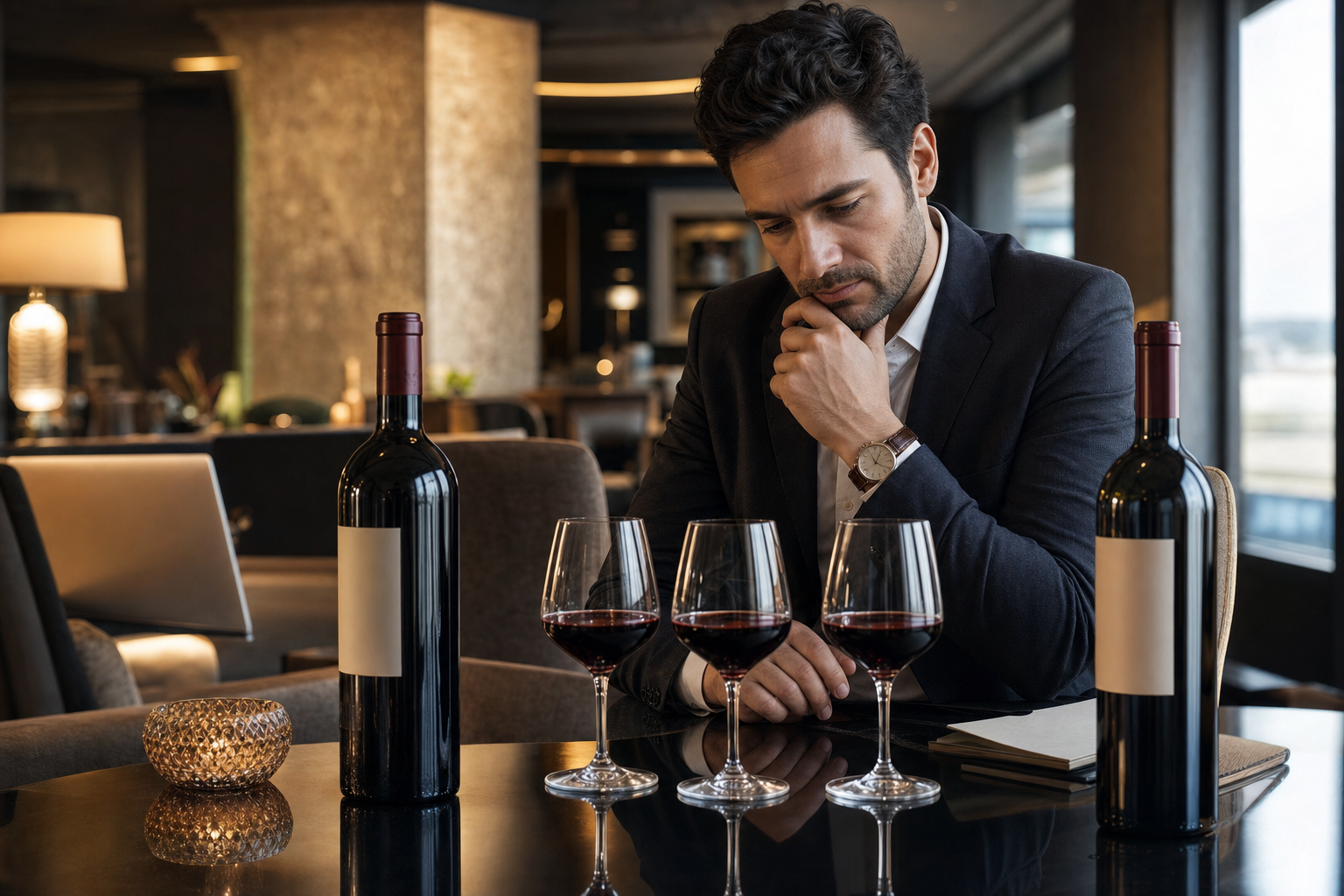

Neuromarketing is based on analysing human brain behaviour in an attempt to influence purchasing decisions or, at the very least, predict the behaviour of potential buyers in response to any marketing activity we undertake.
Perhaps we are not as intelligent as we think, or at least, perhaps human beings are more susceptible to manipulation than they believe.
This may sound like science fiction, but many companies have been experimenting with it for some time. We all remember the Pepsi Challenge, in which, through a direct test between two competing products, consumers chose the one they felt tasted better. The minds of those of us who saw this campaign at the time were already predisposed: “Pepsi tastes better than Coca-Cola, even though I have not really stopped to think about it”.
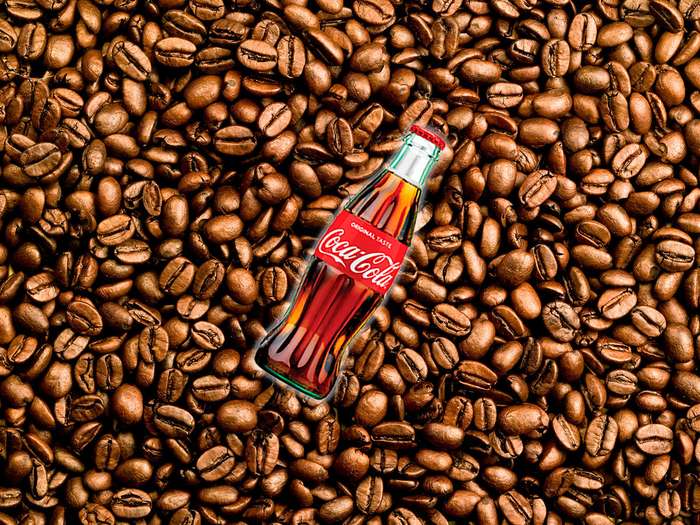
When we talk about cola soft drinks, which have a similar price on the market and a taste that, at least to me, is virtually identical, the customer’s mental predisposition is crucial to achieving better positioning and market share.
Taking this a step further, and continuing with beverages, we all know that expensive wines are better than cheap wines. Indeed, the taste of a €100 bottle is noticeably different from that of a €5 one.
A scientific study shows that expensive wines send more blood and oxygen to the right medial orbitofrontal cortex, which increases its activity in response to pleasure. Likewise, MRI scans show that changes in a product’s price influence the perceived experience of pleasure.

Stop managing isolated systems. Start managing the whole hotel.
HotelGEX connects guests, operations, Revenue, F&B, Groups & Events and Management into one intelligent hotel context — so every decision starts with a clearer picture.
Leaving aside wine connoisseurs, a group to which I clearly do not belong, consumers select wine by looking simultaneously at two columns: the name and the price, curiously, in the same way that a customer chooses a hotel through an online travel agency.


My published books
Expectation can influence the sensory experience, and knowing that we are about to uncork a €100 bottle prepares our brains to enjoy it to the fullest. This does not mean that everyone will enjoy a good wine simply because it is expensive, but for many of us, let us admit it, we would be completely unaware if the contents of one bottle were swapped for another. It is also highly likely that if a €5 wine were presented to us in the same way as a €100 one, we would enjoy a more pleasurable experience.
Let us also acknowledge that our brains are primed to reject products that are too cheap, “if it is so cheap, it cannot be good”, curiously, just as happens with hotels.
From all of this, applying the subject to mental predisposition in hotel marketing, I would venture to say:
- The customer’s predisposition is extremely important when choosing between hotels within a similar price range.
- A brand can play an important role in influencing users’ mental predisposition towards a hotel, but other factors such as merchandising or the way we present our product through images, videos, and so on will undoubtedly also have an influence.
- The importance of a hotel’s reputation: if so many people say it is good, it cannot be bad. And it is not enough simply to know our reputation; we must also communicate it.
- Trying to compete on price lowers customer expectations. Our services or facilities are very likely to be undervalued in the customer’s mind if we do not assign them value ourselves.
- Expectations will be higher the higher the price. So yes, there is a risk of complaints if they are not met, but beware: the guest arrives predisposed to enjoy a good experience at our hotel, making it easier to please them.
- Budget hotels can also offer pleasant experiences, but we must know how to communicate them before they are rejected because of their price.
- At the same price point as our competitors, we must identify complementary pillars that reinforce our value proposition in order to influence or create a particular state of mental predisposition.
I understand that price is elastic, and today it is determined more by the market than by the hotel itself, but it is important to keep this in mind when distributing our product through third parties and when creating online marketing campaigns.
This article ends here. The archive does not.
Lead Hospitality brings together 1200 English articles published since 2018: years of experiences, decisions and lessons you can keep exploring.
What would you like to explore next?
Choose a direction and keep reading around what you want to solve, learn or challenge.