Lead Hospitality

Competing on Price: A Hotel’s Last Resort

THE IDEA

Lowering rates to stimulate hotel demand can have negative long-term effects. Hotels should consider alternative marketing and distribution strategies to compete effectively, while recognising the crucial role of online reputation and commercial management in business performance.

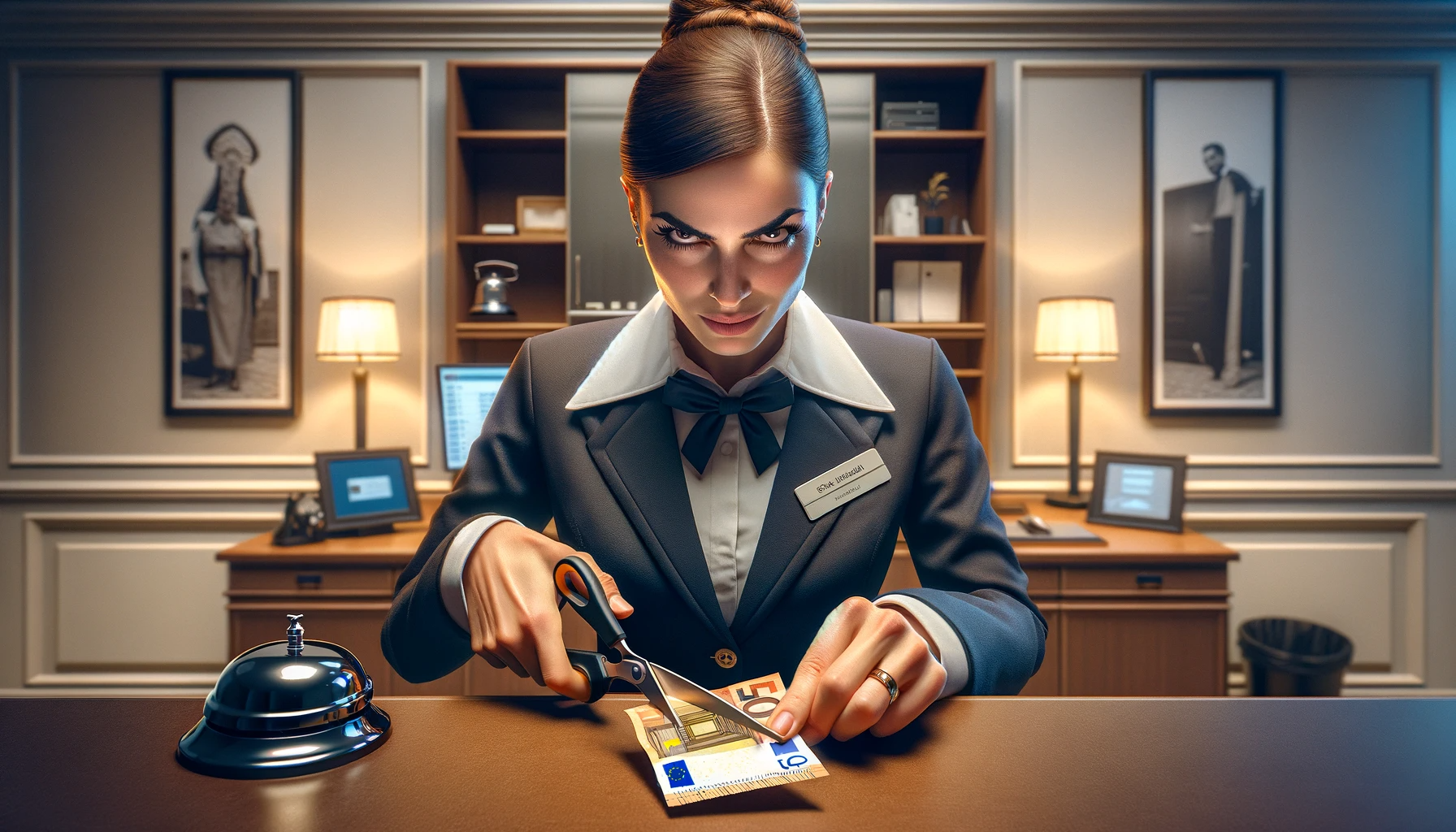
We all know the difficult times some hotels are facing due to the slowdown in demand. In response, many properties are reacting with unilateral, dramatic price cuts as a stimulus to drive demand. I am not in favour of this practice, as it has terrible effects on destination pricing. There are significant examples of this in Spain. What is more, I very much doubt the effectiveness of such a practice as a stimulus to drive demand, although it may produce short-term results. The fact is that demand is what it is, and a hotel cannot create demand on its own; it can only claw market share away from other properties:
  1. Properties in the same category: Leveraging assets such as location, facilities, service, online reputation, etc.
  2. Properties in higher categories: With clear and appealing value propositions, a better location, better value for money, etc.
What is the need to compete with lower-category properties by reducing prices? Some will say that lower-category hotels do the same, but I believe this is a rather mediocre marketing tactic. This is why, just a few days ago, I wrote an article on stimulating demand through price. In it, I recommend analysing and considering the following before doing so:
  • The consistency of our marketing and distribution strategy.
  • The elasticity or inelasticity of demand.
I believe price is sacred, and that a hotel should only respond by lowering prices once it has exhausted all its resources for generating sales. Even then, if it has to do so, I believe there is an underlying problem:
  • Control of the distribution landscape.
  • Shortcomings in service levels and the condition of facilities.
  • Poor online reputation, reflected in negative reviews.
  • Poor forecasting with regard to revenue management policies.
  • Inefficient sales management.
  • etc.
Without doubt, I believe this is a topic worthy of debate.
KEEP EXPLORING

This article ends here. The archive does not.

Lead Hospitality brings together 1200 English articles published since 2018: years of experiences, decisions and lessons you can keep exploring.

CONTINUE FROM HERE

What would you like to explore next?

Choose a direction and keep reading around what you want to solve, learn or challenge.

Discover something interesting ↓Surprise me ↗
01MAKE MOREProfitability, revenue and decisions that reach the bottom line. 02LEAD BETTERTeams, culture, talent and the conversations that matter. 03SELL BETTERPositioning, marketing, distribution and customers. 04CREATE EXPERIENCESService, loyalty and details guests remember. 05UNDERSTAND WHAT'S NEXTInnovation, AI and new ways of thinking about Hospitality. SURPRISE MEShow me something worth five minutes of my time.
✦ LEAD AI · KEEP THINKING

Take this analysis one step further