
How to Design a Hotel Loyalty Program That Builds Guest Lifetime Value

Albert BarraDecember 19, 2023 · 6 min read


Defining Objectives: Going Beyond Guest Lifetime Value
In our hotel universe, a guest’s 'lifetime value' goes beyond simply adding up their spend. It is an amalgamation of experiences, personalised attention and meaningful connections. Braintrust, with its focus on improving 'lifetime value', aligns with our mission to build lasting relationships and memorable experiences. In this context, loyalty is the sum of exceptional moments that a guest carries with them long after leaving our property. A guest’s "lifetime value" refers to the value they hold throughout their entire lifetime as a customer. This value is not limited solely to the amount of money a guest spends during their hotel stay; it encompasses a combination of experiences, personalised attention and meaningful connections. My approach aligns with the mission of building lasting relationships and memorable hotel experiences. This means seeking to go beyond a simple financial transaction and create exceptional moments for guests—moments they will carry with them long after they have left the property. In this context, loyalty is understood as the sum of those exceptional moments a guest experiences during their hotel stay, which generate a high level of satisfaction and emotional connection. These moments can range from personalised attention during check-in to recommendations for places to visit in the city or special in-room touches. To improve guests’ "lifetime value", it is important to consider a few recommendations:- Know your guests: It is essential to gather information about guests’ preferences and needs in order to personalise their experience. This can be done through surveys, data analysis or even direct conversations.
- Offer unique experiences: Look for ways to surprise and delight guests through special touches, such as a warm welcome, exclusive services or themed events.
- Maintain ongoing communication: After a guest has left the hotel, it is important to maintain ongoing communication through emails, newsletters or social media. This makes it possible to sustain the connection with the guest and remind them of the positive experience they had at the hotel.
- Encourage word of mouth: By delivering memorable experiences, guests will be more inclined to recommend the hotel to friends and family. It is important to encourage positive word of mouth through incentives such as discounts or referral programmes.
Recommended reading429 pages · PDF
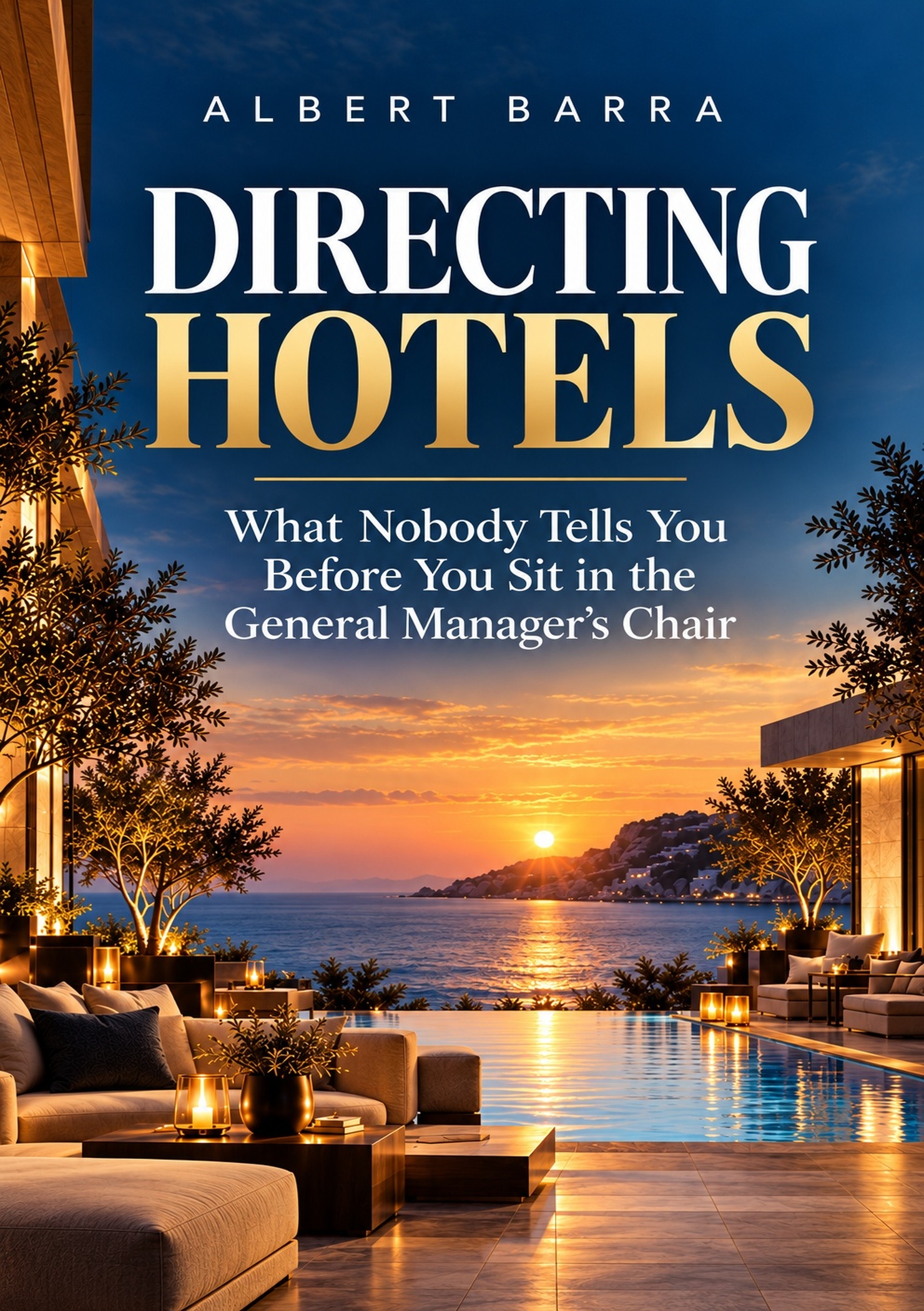
Directing Hotels
What Nobody Tells You Before You Sit in the General Manager’s Chair
A practical look at leadership, teams, operations and the real decisions that define hotel management from the General Manager’s chair.
Digital edition · Personal licence · Amazon soon
Focusing the Strategy: Audience and Personalised Loyalty
The assertion about the importance of defining the target audience and the desired type of loyalty resonates deeply within our industry. Every hotel has its own essence, its own identity, and defining the target audience and the essence of the desired loyalty is crucial. The unique personality of each property should guide the adaptation of its loyalty programme. The unique personality of each property should guide the adaptation of its loyalty programme. This means gaining a thorough understanding of who our ideal guests are and what they expect from us. It is not simply about offering discounts or rewards, but about creating a personalised experience that makes them feel special and unique. To achieve this, it is essential to know our target audience. Are they business travellers seeking comfort and efficiency? Or are they leisure travellers looking to experience the local culture and hospitality? Understanding their needs and preferences will allow us to tailor our services and loyalty offers accordingly.
On the other hand, the essence of the desired loyalty must reflect the values and vision of our hotel. What sets us apart from the competition? What makes us unique and appealing to our guests? The answers to these questions will help us design a loyalty programme that highlights our strengths and differentiates us in the market.
It is important to remember that loyalty is not only about reward programmes or discounts. It is about building lasting relationships with our guests, delivering unforgettable experiences and consistently exceeding their expectations. This means providing exceptional, personalised service tailored to their individual needs.
Focusing on audience strategy and personalised loyalty means gaining a thorough understanding of our ideal guests and adapting our services and offers to their needs and preferences. It also means reflecting the unique essence of our hotel in our loyalty programme, highlighting our strengths and differentiating ourselves in the market. By doing so, we will build lasting relationships with our guests and deliver exceptional experiences that make them feel special and unique.
Business Consistency: The Lifeline of Success
In hospitality, consistency is the cornerstone. A loyalty programme is not an isolated entity; it is an extension of the brand. From a hotel leadership perspective, I understand the importance of maintaining consistency between the loyalty programme and the overall strategy. A fragmented guest experience caused by a lack of alignment can result in confusion and a loss of trust. In this regard, the loyalty programme should not be considered a separate entity, but rather an extension of the brand. A fragmented and misaligned guest experience can create confusion and a loss of trust. Therefore, it is crucial to ensure that every guest interaction, whether through the loyalty programme or any other aspect of the service, meets the brand’s standards and values. Business consistency ensures a seamless and satisfying guest experience, which in turn contributes to loyalty and the company’s long-term success.Flexibility and Evolution: Adaptability That Inspires Growth
Hospitality is an ever-changing ecosystem, and flexibility is the key to survival. My recommendation is to design a programme flexible enough to evolve alongside the business. From my experience, I know that rigidity can turn what should be an investment into a burden. Ongoing evolution ensures that the programme remains relevant even in an ever-changing business landscape.Creating Value: Going Beyond Monetary Spend
In hotels, value goes beyond the numbers. The notion of internally understanding what we are willing to give away is steeped in wisdom. Here, the key lies in surprising guests with unexpected touches during their stay. It is not just about discounts, but about experiences. Building value not only for the consumer but also for the business is a delicate balancing act. From my position, I emphasise the importance of balancing the equation.Loyalty That Resonates in the Guest’s Heart
In the hotel universe, loyalty is a symphony of experiences. By surprising guests, we not only create loyal customers, but also ambassadors for our brand. Loyalty goes beyond price; it is the enduring emotional resonance. Our challenge is to build programmes that not only retain, but delight. Ultimately, the success of a hotel loyalty programme is measured not only in numbers, but in smiles and memories.This article ends here. The archive does not.
Lead Hospitality brings together 1200 English articles published since 2018: years of experiences, decisions and lessons you can keep exploring.
CONTINUE FROM HERE
What would you like to explore next?
Choose a direction and keep reading around what you want to solve, learn or challenge.
01MAKE MOREProfitability, revenue and decisions that reach the bottom line.
02LEAD BETTERTeams, culture, talent and the conversations that matter.
03SELL BETTERPositioning, marketing, distribution and customers.
04CREATE EXPERIENCESService, loyalty and details guests remember.
05UNDERSTAND WHAT'S NEXTInnovation, AI and new ways of thinking about Hospitality.
✦SURPRISE MEShow me something worth five minutes of my time.