
Social Media and User-Generated Content: How They Shape Hotel Marketing



Social Web is said to arise from the transfer of power to users, providing them with the ability and tools to generate content and share it with other users, which will ultimately influence their decision to purchase a travel product, choose a destination, hotel, intermediary, and so on.
It must be acknowledged that a hotel’s entry into the 2.0 “environment” is not limited to launching a corporate blog, but rather involves a change in mindset regarding this transfer of power to users and, above all, the courage to face situations in which the content generated may run counter to our own interests, whether through negative comments about the hotel, videos or photographs, on both OTAs and other hotel review, opinion and rating websites.
To this end, it is essential for every hotel to have a strategy for user-generated content (UGC).
We must bear in mind that even if the hotel is not part of the Social phenomenon, society certainly is, hence the importance of developing such strategies.
Three types of action can be taken, and choosing one over another will depend on the individual circumstances and needs of each hotel.
Books to run a hotel with judgement
Written from the general manager’s chair: technology, guest experience, leadership and management.
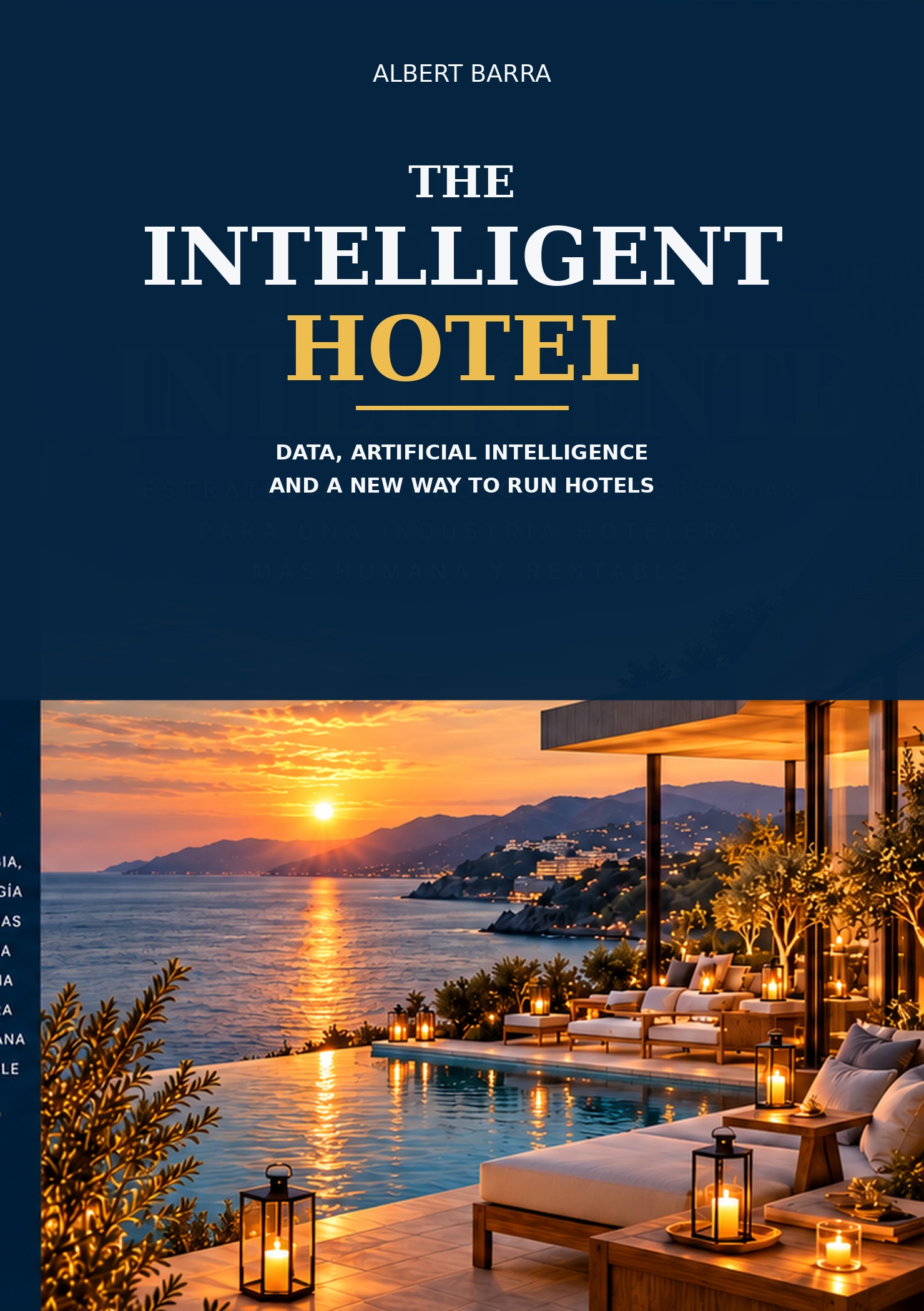 The Intelligent HotelData, Artificial Intelligence and a New Way to Run Hotels
 Directing HotelsWhat Nobody Tells You Before You Sit in the General Manager’s Chair
 The Guest JourneyDesigning Customer Experience Across the Entire Hotel Journey
 Leadership and High-Performance Team ManagementPeople, Experiences and Results in Today\\\'s Hospitality
If the objective is to protect and monitor online comments about the hotel, a Defensive Brand Strategy should be implemented as a first step.
This involves identifying the websites that cover the segment most relevant to the hotel and monitoring the content being generated about it; the use of specialised search engines is recommended for this purpose. Next, make every effort to encourage satisfied guests to post comments through the most reputable sites. Yes, why not? TripAdvisor may be one of them. But most importantly, respond to criticism and contact users who have posted negative comments about your hotel to discuss the improvements made and the results achieved as a result. If necessary, use incentives to encourage new users to continue contributing content to these sites that is favourable to you in areas that may previously have been criticised by other users.
If the objective is to build your brand and what is known about it across social networks, communities and user review websites or blogs, you may wish to consider sponsoring a user community. Before doing so, however, you should consider whether an initiative of this kind is genuinely necessary and, if so, assess the type of platform best suited to your property, whether that is a corporate blog, a blog about the destination or travel advice, or simply collecting guest opinions and comments on your own website.
Finally, if the objective is simply to communicate with readers and raise awareness, it will be enough to arrange advertising agreements with high-traffic guest review websites. Using the search engines mentioned above, you will find it easy to identify the websites best suited to your hotel’s characteristics. However, be prudent with your advertising investment, maximising the return on your activities. A few websites may be enough to achieve your objectives. Remember that internet users do not remain on a single website when planning their trips; instead, they visit many sites in their search for information.
This article ends here. The archive does not.
Lead Hospitality brings together 1200 English articles published since 2018: years of experiences, decisions and lessons you can keep exploring.
What would you like to explore next?
Choose a direction and keep reading around what you want to solve, learn or challenge.