
AI Will Not Improve Hotel Marketing Unless It Knows What the Hotel Needs to Sell

Albert BarraNovember 16, 2026 · 4 min read


Marketing starts before writing
Imagine a hotel with rooms available for the coming weekend. A generic tool may recommend a promotion or draft an appealing message. Without further context, however, it will not know whether those dates have demand worth protecting, whether the rate is already below the right value, whether there is a segment more likely to book, or whether the restaurant and spa have the capacity to support the offer. The result may be an impeccable campaign that discounts dates that did not need it, attracts a low-profit stay or promises an experience the operation is not prepared to deliver. AI does not eliminate commercial judgement. It makes the quality of the context it works with more visible.From content calendars to demand decisions
In many hotels, marketing is organised around a calendar: posting on social media, sending a newsletter, updating a promotion and preparing content for the season. That calendar helps maintain activity, but it does not always respond to what is happening in the business. Marketing connected to operations can ask more specific questions:- Which dates need demand, and which are worth protecting?
- Which segments, channels or markets can generate higher-value bookings?
- Which experiences are available and have room to be sold?
- Which previous guests might find a proposal relevant now?
- Can the team deliver on the promise with the resources and service available?
Lead Hospitality Library
See the books Books to run a hotel with judgement
Written from the general manager’s chair: technology, guest experience, leadership and management.
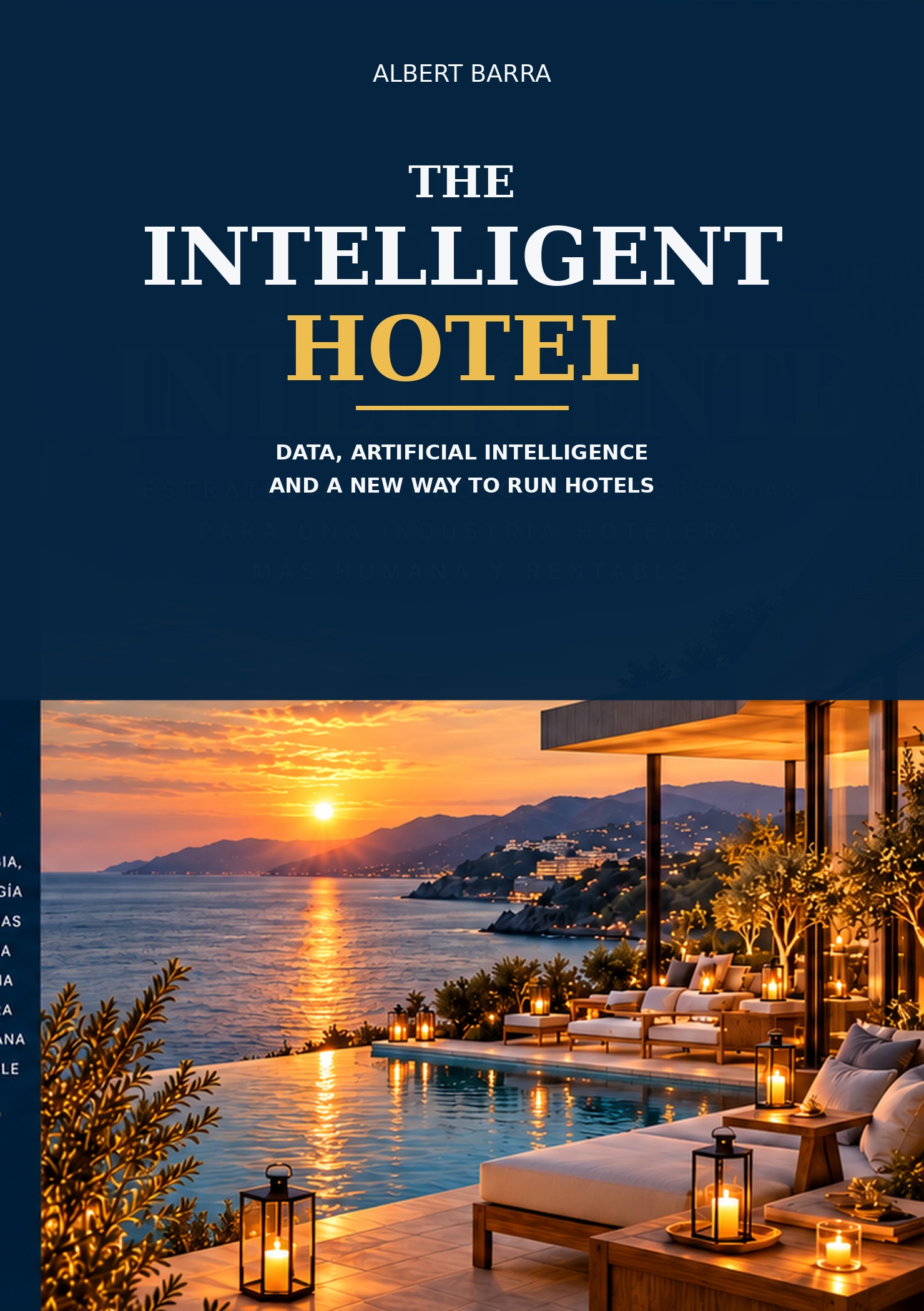 The Intelligent HotelData, Artificial Intelligence and a New Way to Run Hotels
 Directing HotelsWhat Nobody Tells You Before You Sit in the General Manager’s Chair
 The Guest JourneyDesigning Customer Experience Across the Entire Hotel Journey
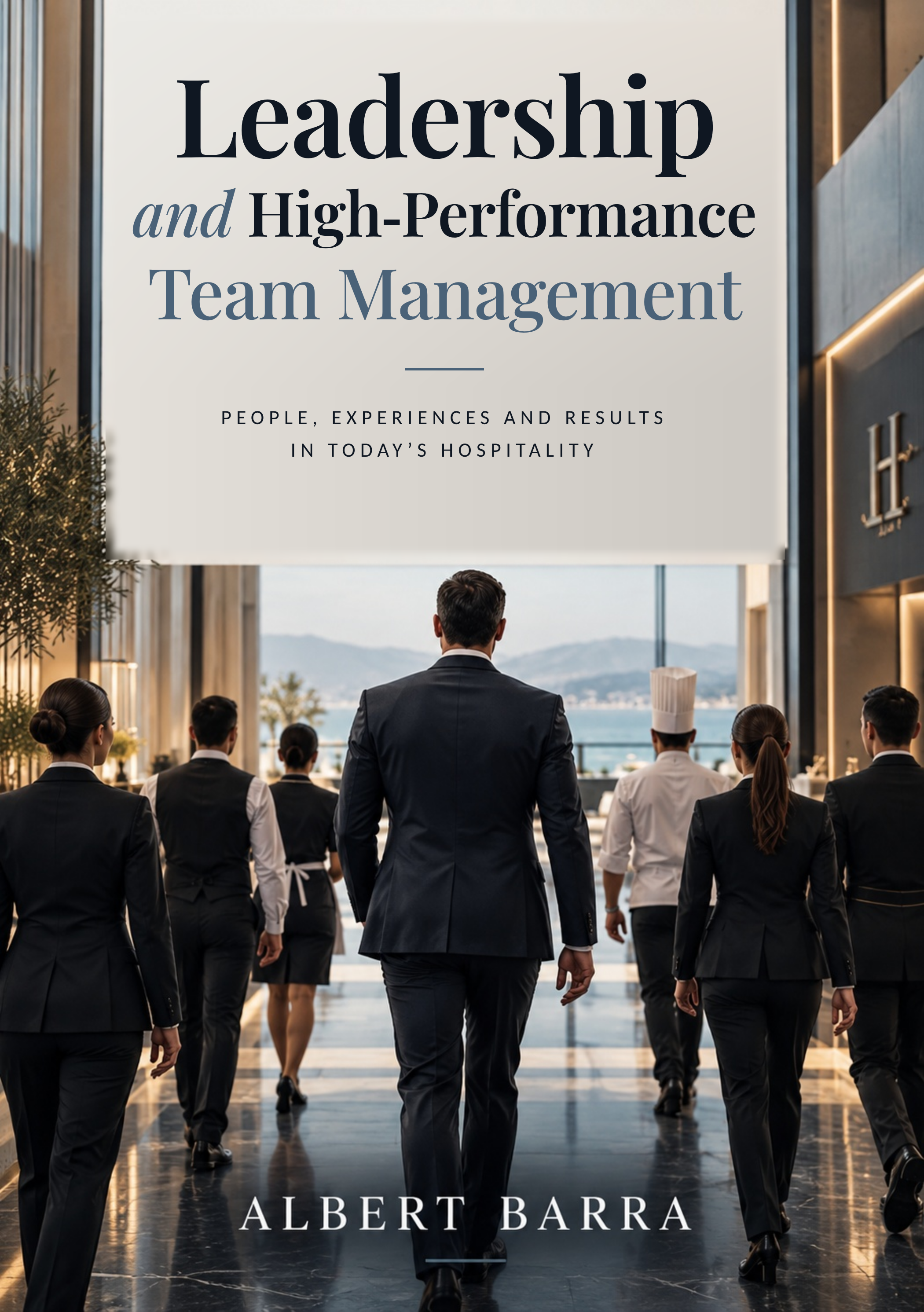 Leadership and High-Performance Team ManagementPeople, Experiences and Results in Today\\\'s Hospitality
Digital edition · Personal licence · Free or discounted for subscribersSee all books →
Personalisation is not about putting a name in an email
Useful personalisation is not about beginning an email with “Hello, Laura”. It is about making the proposal relevant to that person and that moment: a midweek break, a stay linked to an event, a gastronomic experience or an invitation to return based on a known preference that is used legitimately. To do this well, the hotel needs reliable data, appropriate permissions and a shared view of the relationship with each guest. It also needs to avoid having each department work from a different version of reality. If marketing is unaware of availability constraints, or if the promise made in a campaign does not reach reception, food and beverage and housekeeping, personalisation breaks down just as the guest begins to experience it.The advantage lies in closing the loop
AI can reduce the time between identifying an opportunity and preparing a response. But the work does not end when a campaign is sent. Hotels need to review what happened: bookings generated, revenue and margin, booking lead time, cancellations, ancillary sales and, where possible, the effect on the guest experience and loyalty. That learning makes it possible to refine the next decision. A campaign with many clicks may not have generated bookings; an offer with lower volume may have attracted more profitable stays or guests more likely to return. Measuring activity alone provides an incomplete picture of marketing. That is why the context AI needs is not a folder full of documents. It is a useful, up-to-date representation of the hotel: its product, demand, guests, constraints, objectives and ability to deliver what it communicates.Technology accelerates; management decides
AI can research, summarise, propose, write and adapt. The hotel team still has to decide which opportunity to prioritise, which promise represents the property and what outcome counts as success. It must also verify accuracy, protect data and maintain a voice consistent with the real experience. When it is connected to reliable operational and commercial context, AI stops being a content factory and becomes a tool for thinking and acting more quickly. That is where marketing and management stop running in parallel. The question for every hotel is simple: if AI were to propose a campaign tomorrow, would it have enough information to know which date, which guest and which experience should be activated? If the answer is no, the next step is not to ask it for more content. It is to connect the hotel’s knowledge more effectively with its marketing decisions.This article ends here. The archive does not.
Lead Hospitality brings together 1200 English articles published since 2018: years of experiences, decisions and lessons you can keep exploring.
CONTINUE FROM HERE
What would you like to explore next?
Choose a direction and keep reading around what you want to solve, learn or challenge.
01MAKE MOREProfitability, revenue and decisions that reach the bottom line.
02LEAD BETTERTeams, culture, talent and the conversations that matter.
03SELL BETTERPositioning, marketing, distribution and customers.
04CREATE EXPERIENCESService, loyalty and details guests remember.
05UNDERSTAND WHAT'S NEXTInnovation, AI and new ways of thinking about Hospitality.
✦SURPRISE MEShow me something worth five minutes of my time.