
The Innovation–Structure Equation in Hospitality

Albert BarraJanuary 22, 2025 · 5 min read
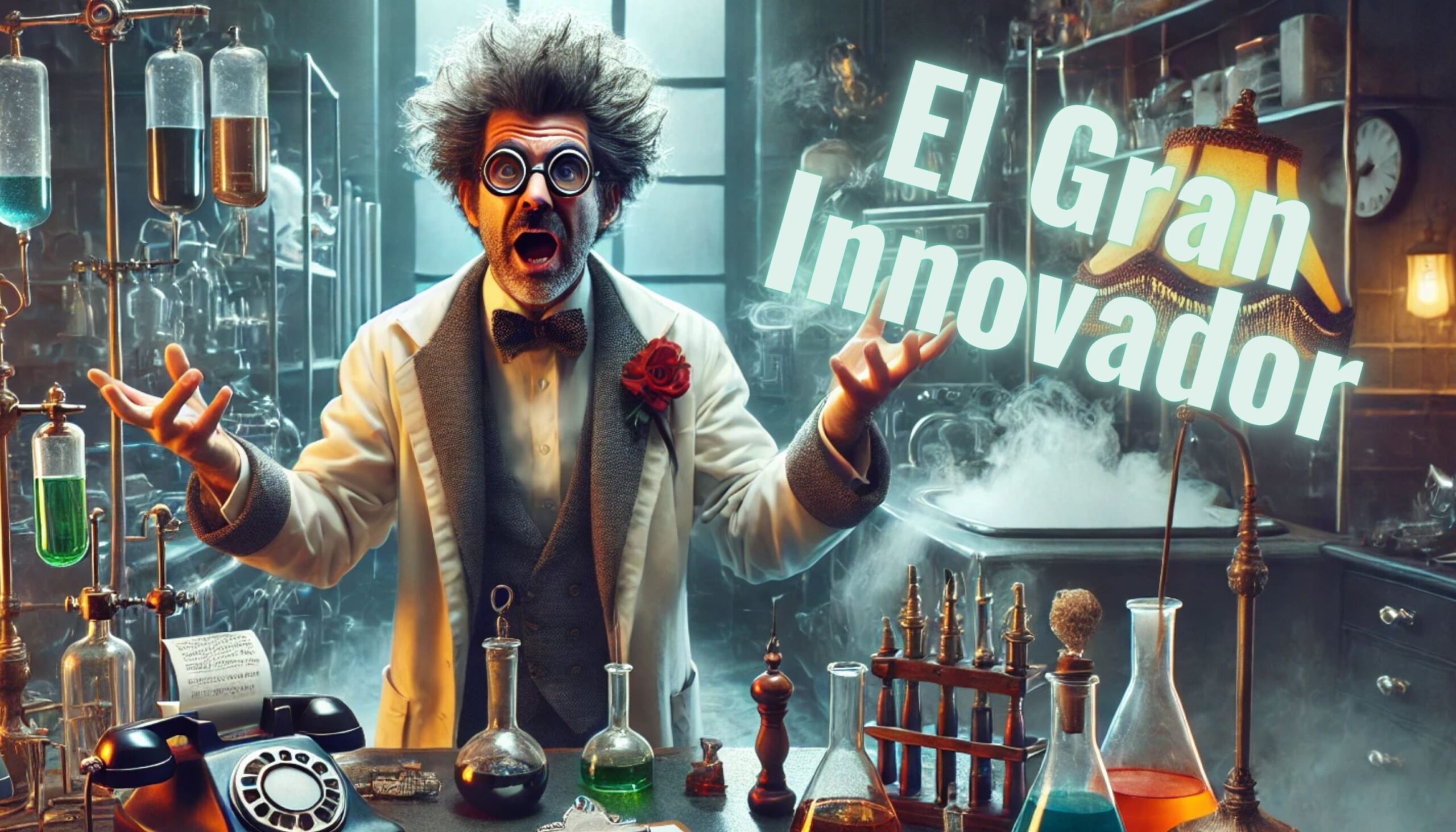
It is a mistake to think that innovation thrives in chaos. We often associate the word "creativity" with unlimited freedom and the absence of rules. However, in hospitality, a sector where every detail matters and the guest experience depends on flawless execution, this perception can be a direct route to disaster. Innovating is not synonymous with improvising. It is essential to build a solid structure that serves as a foundation for the boldest ideas to develop without jeopardising service quality or customer trust.
Over my years managing teams, I have observed that the best results emerge from an environment where creativity is carefully orchestrated. People need clear boundaries to feel confident exploring new ways to improve the guest experience. Put differently, creative teams perform better when they know the rules of the game but have the flexibility to redefine the strategy. It is like music: the most brilliant improvisations happen when musicians master the fundamentals and know the rhythm they need to follow.
In hospitality, the risks of poorly managed innovation are clear. Imagine a team launching a new guest experience without proper coordination or without establishing clear success indicators. Disorganisation can trigger complaints, negative online reviews and, worst of all, the loss of customer trust. However, when a well-defined framework is provided, innovative ideas flow more naturally, are implemented with precision and, most importantly, deliver measurable results.
The challenge lies in finding the right balance between structure and creativity. How do we set appropriate boundaries without stifling our teams’ imagination? This question is especially relevant in a context where guests increasingly demand unique, personalised and memorable experiences. The answer does not lie in strict rules, but in sound principles that guide behaviour while leaving room for interpretation and creativity.
[caption id="attachment_228500" align="alignright" width="700"] RECOMMENDED READING[/caption]
Through this article, I will explore how to achieve this symbiosis between structure and innovation in the hotel industry. My aim is to demonstrate that well-organised management not only enables ideas to flourish, but also ensures they translate into exceptional guest experiences.
RECOMMENDED READING[/caption]
Through this article, I will explore how to achieve this symbiosis between structure and innovation in the hotel industry. My aim is to demonstrate that well-organised management not only enables ideas to flourish, but also ensures they translate into exceptional guest experiences.
In hospitality, the risks of poorly managed innovation are clear. Imagine a team launching a new guest experience without proper coordination or without establishing clear success indicators. Disorganisation can trigger complaints, negative online reviews and, worst of all, the loss of customer trust. However, when a well-defined framework is provided, innovative ideas flow more naturally, are implemented with precision and, most importantly, deliver measurable results.
The challenge lies in finding the right balance between structure and creativity. How do we set appropriate boundaries without stifling our teams’ imagination? This question is especially relevant in a context where guests increasingly demand unique, personalised and memorable experiences. The answer does not lie in strict rules, but in sound principles that guide behaviour while leaving room for interpretation and creativity.
[caption id="attachment_228500" align="alignright" width="700"] RECOMMENDED READING[/caption]
Through this article, I will explore how to achieve this symbiosis between structure and innovation in the hotel industry. My aim is to demonstrate that well-organised management not only enables ideas to flourish, but also ensures they translate into exceptional guest experiences.
How to create the right environment for innovation without chaos
A well-designed structure is not synonymous with rigidity. It is a framework that sets clear boundaries while also fostering the confidence teams need to take calculated risks. Below, I share some practical strategies that I have implemented successfully and that can help you manage innovation in your hotel:- Define core principles for the guest experience It is essential for the team to understand which aspects of service are non-negotiable. For example, punctual room readiness, impeccable cleanliness or a warm welcome. These principles act as the "north star" that guides creativity, ensuring that even the boldest ideas do not compromise the essence of the service. A study by the Journal of Service Management found that 86% of customers prioritise consistency in core services over surprising innovations.
- Create structured collaboration spaces Rather than allowing unstructured brainstorming, use proven methods such as Design Thinking or Lean Innovation. These methodologies help channel creativity towards practical solutions. For example, organise regular workshops in which teams can identify specific guest pain points and work together to resolve them. According to Harvard Business Review, teams that employ well-defined collaborative techniques are 30% more successful in implementing innovations.
- Allow room for manoeuvre in execution While end goals must be clearly defined, allow teams to decide how to achieve them. This flexibility fosters a sense of ownership and allows creative solutions to emerge organically. As with a good recipe, the ingredients matter, but the chef’s touch can make all the difference.
- Set clear metrics to measure the success of innovations Without data, there can be no improvement. Make sure you define specific indicators before implementing any new idea. For example, if you decide to introduce a personalised check-in experience, measure average waiting time, guest ratings and the return rate of guests who choose this option. Measurement will not only enable you to assess the impact, but also to adjust and refine the proposal.
- Foster a culture that learns from mistakes Fear of failure is one of innovation’s greatest enemies. Create an environment where mistakes are seen as learning opportunities. For example, if a new activity or service does not achieve the expected results, bring the team together to analyse what went wrong and how it can be improved next time. According to a Deloitte survey, companies with cultures that embrace mistakes are 60% more likely to be innovative.
The balance between structure and creativity is the key to success
In a sector as demanding as hospitality, there is very little room for improvisation, but that does not mean innovation should take a back seat. Rather, we should approach it as a science: with clear principles, a structured methodology and disciplined execution. Great results are not a product of luck, but of meticulous, well-planned work. To conclude, I would like to share three pieces of advice that I consider essential for fostering structured innovation in your hotel:- Communicate business priorities clearly and consistently. A team that understands the impact of its work on the guest experience will be more willing to contribute valuable ideas.
- Celebrate wins, both big and small. Recognising successful efforts, even modest ones, reinforces team confidence and motivates people to keep innovating.
- Remember that creativity needs time. Do not overload your team with routine tasks; give them space to think and experiment. The best ideas often arise when we least expect them.
Free Access+Continue with Google One Lead Hospitality account · no duplicate subscription identity
Use Google to create or recognise the same Lead Hospitality account and activate the free CRE Access+ level.