
People, Knowledge and Competitive Advantage in Hospitality

Albert BarraApril 20, 2026 · 5 min read


Human Resources as an asset... and as a strategic risk
There is an uncomfortable truth that is rarely addressed with sufficient depth: Human Resources in hotels are not only an intangible asset... they are also a potential liability. When a team performs well, it creates a clear competitive advantage. It improves the guest experience, optimises processes, increases revenue and strengthens reputation. But when that team leaves, that advantage disappears... and, in the worst-case scenario, shifts directly to the competition. This is not a hypothesis. It is an operational reality. Let us imagine two identical hotels. One delivers better results. We say it has the better team. So far, this is entirely logical. But now let us imagine that the competing hotel decides to attract that team with better conditions, incentives and a better working environment. Suddenly, what was once a competitive advantage no longer exists... and changes hands. At that point, something critical happens:- Knowledge moves elsewhere
- Culture fragments
- Execution suffers
- Positioning weakens
Knowledge management: the only real defence in Hospitality
If we accept that people may leave — because they will — the question changes radically: What remains when someone leaves? This is where knowledge management comes into play. It is not just about training teams. It is about creating systems in which knowledge does not depend exclusively on individuals, but is embedded within the organisation. The strategic approach to Hospitality itself points to the importance of aligning internal capabilities, execution and knowledge to sustain competitive advantages over time. In practice, this means working across several pillars:- Intelligent standardisation Not bureaucracy, but operational clarity that makes it possible to replicate what works.
- Internal knowledge transfer Teams that consistently share, teach and document.
- Leadership as a channel for transmission Leaders do not just manage... they transmit culture and judgement.
- A strong organisational culture When culture is clearly defined, it outlasts individuals.
Lead Hospitality Library
See the books Books to run a hotel with judgement
Written from the general manager’s chair: technology, guest experience, leadership and management.
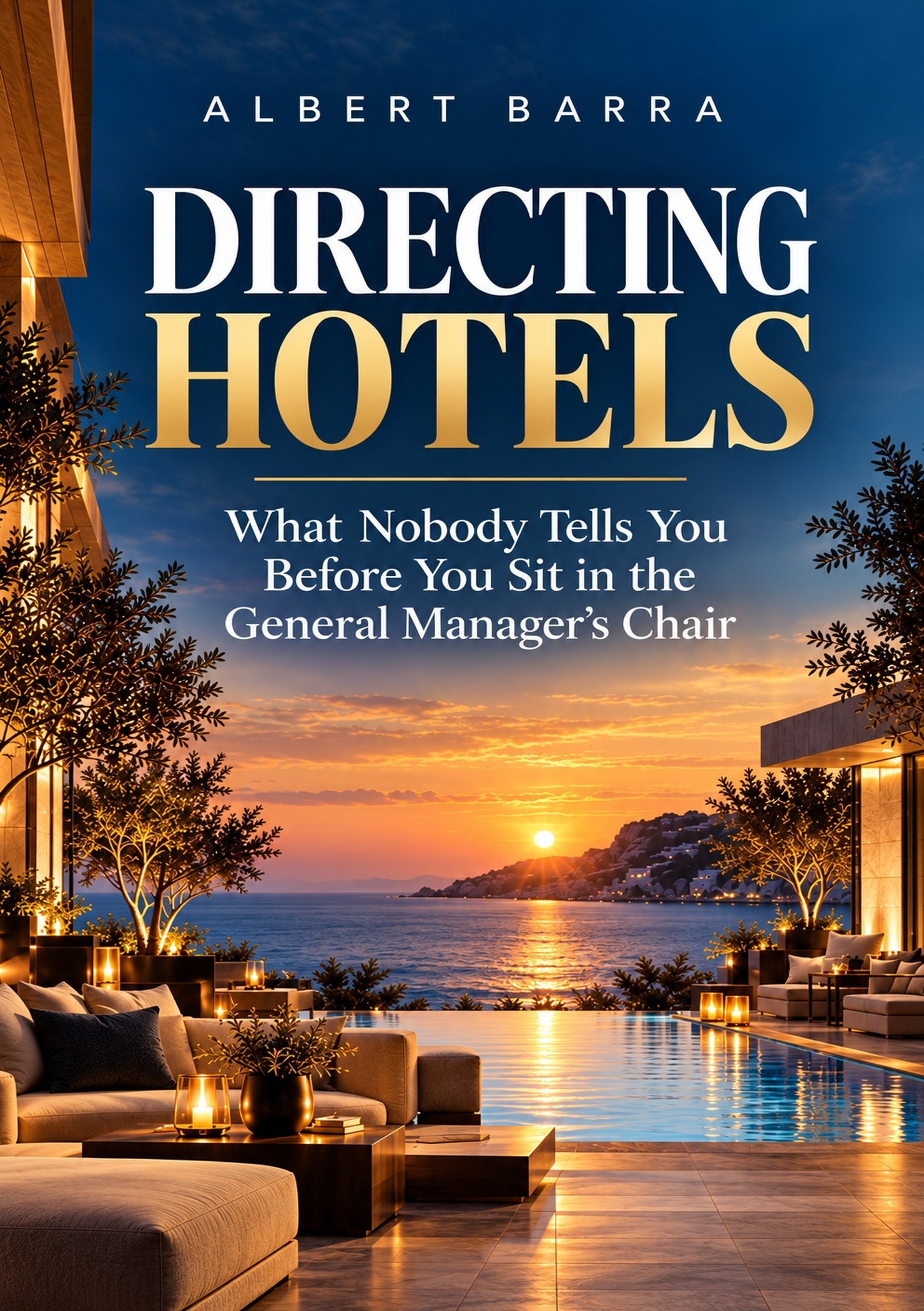 Directing HotelsWhat Nobody Tells You Before You Sit in the General Manager’s Chair
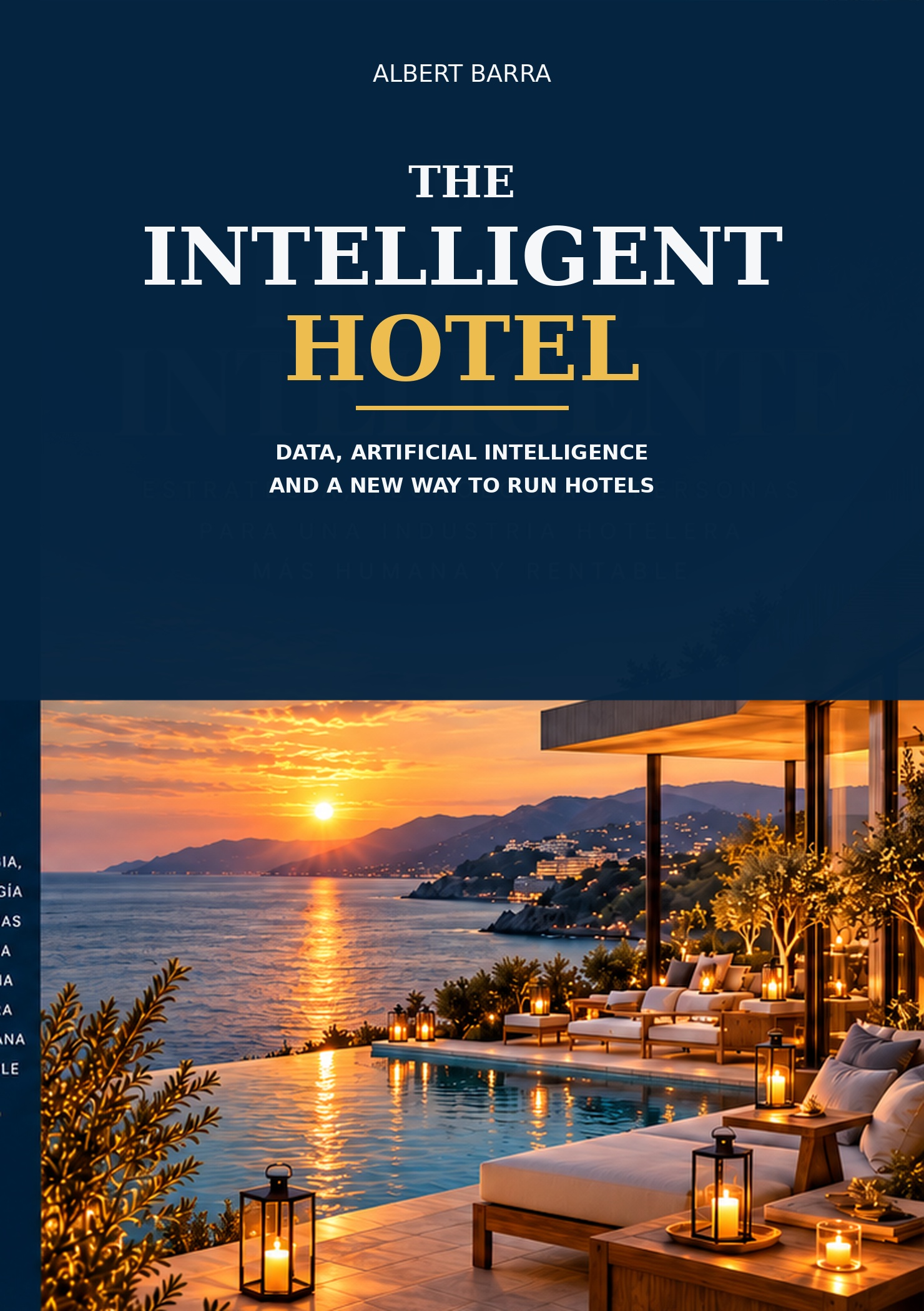 The Intelligent HotelData, Artificial Intelligence and a New Way to Run Hotels
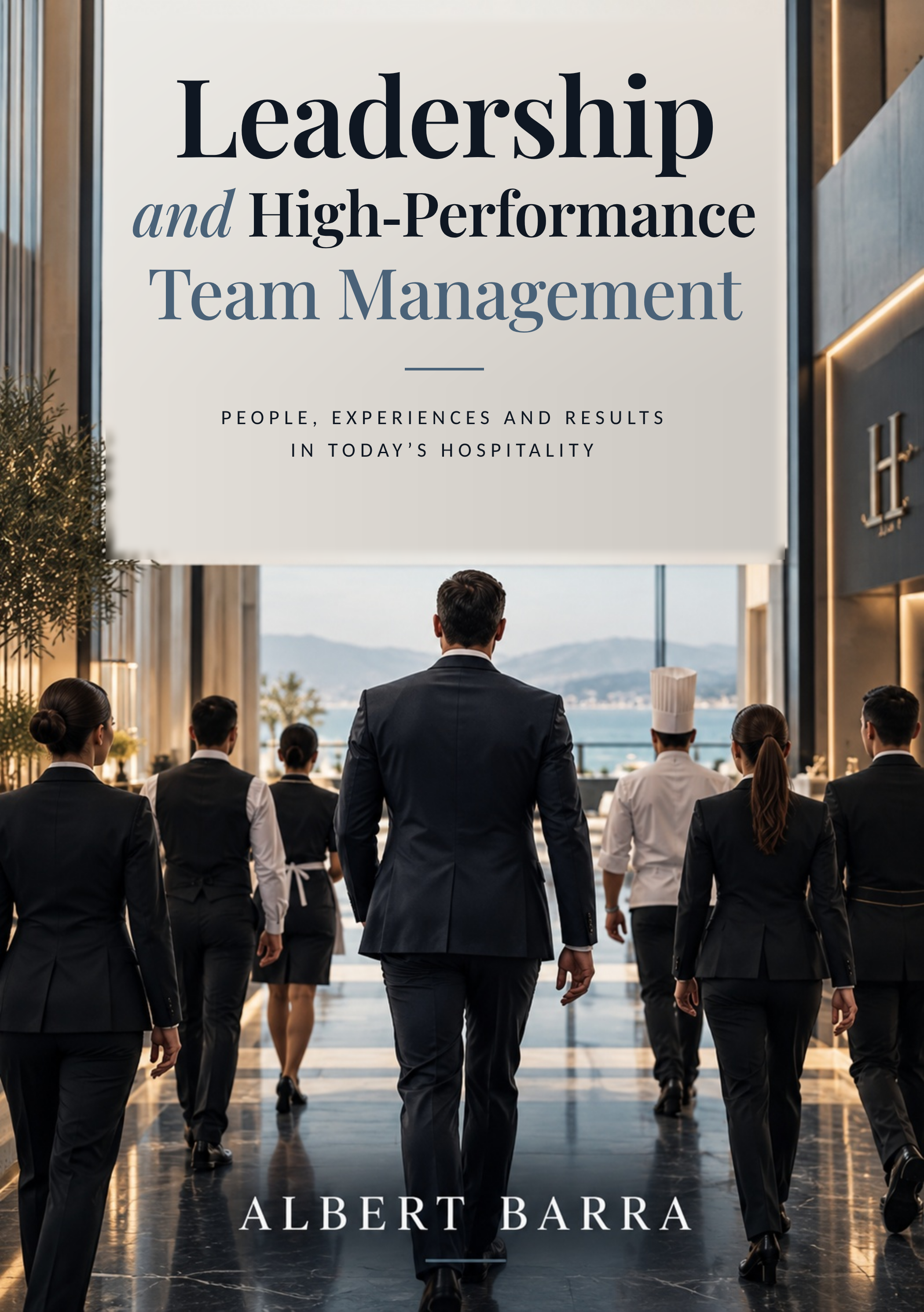 Leadership and High-Performance Team ManagementPeople, Experiences and Results in Today\\\'s Hospitality
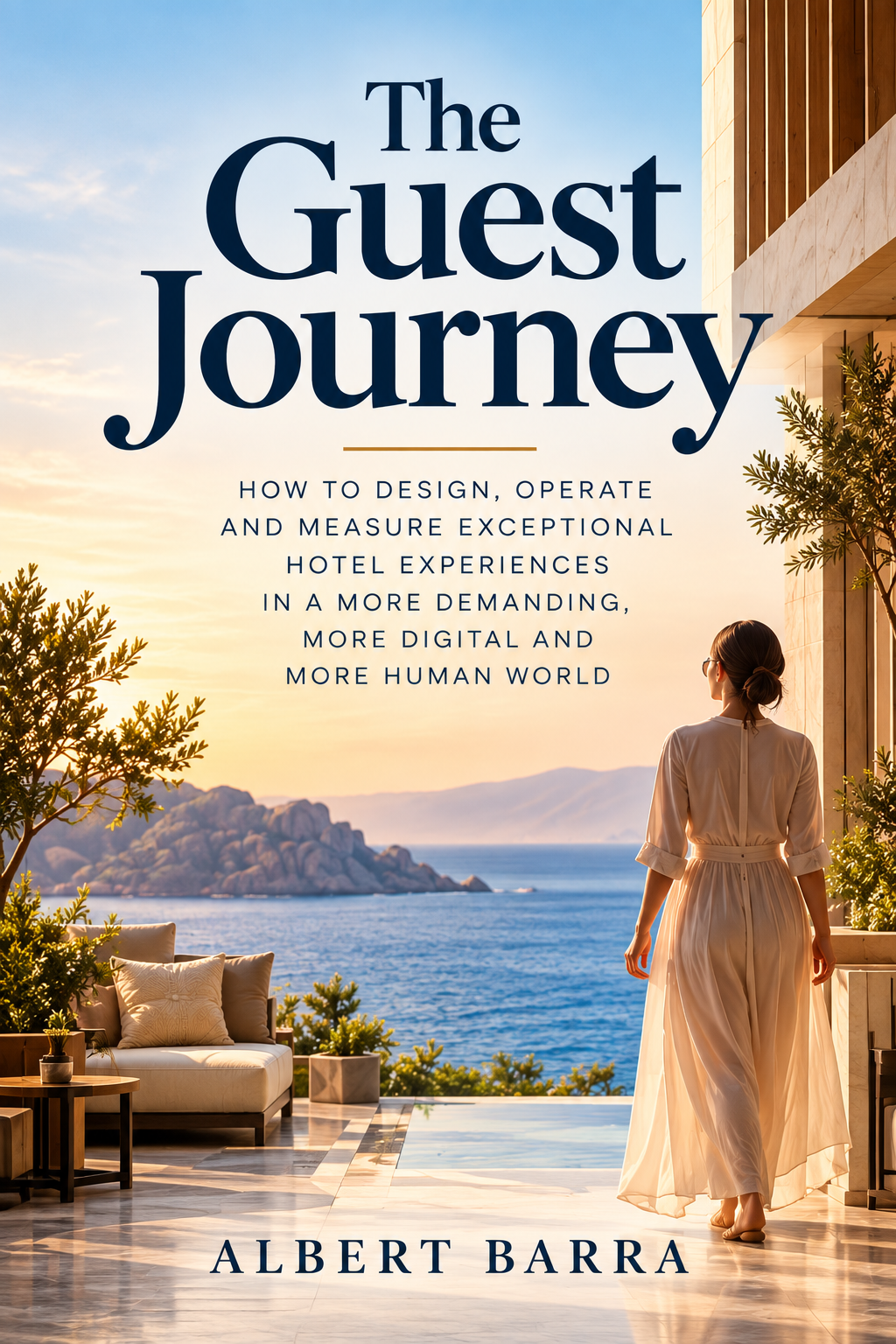 The Guest JourneyDesigning Customer Experience Across the Entire Hotel Journey
Digital edition · Personal licence · Free or discounted for subscribersSee all books →
Retain everyone... or retain strategically
One of the biggest mistakes I have seen is trying to retain everyone. It is neither realistic nor efficient. The key is to identify which profiles are genuinely critical to the hotel's competitive advantage. And this is where an uncomfortable yet necessary reflection comes in:- Not all roles have the same strategic impact
- Not all knowledge is equally critical
- Not all investment in people generates the same return
- Identifying key talent
- Designing tailored development plans
- Creating environments where that talent wants to stay
- And, above all, ensuring that their knowledge is shared
This article ends here. The archive does not.
Lead Hospitality brings together 1200 English articles published since 2018: years of experiences, decisions and lessons you can keep exploring.
CONTINUE FROM HERE
What would you like to explore next?
Choose a direction and keep reading around what you want to solve, learn or challenge.
01MAKE MOREProfitability, revenue and decisions that reach the bottom line.
02LEAD BETTERTeams, culture, talent and the conversations that matter.
03SELL BETTERPositioning, marketing, distribution and customers.
04CREATE EXPERIENCESService, loyalty and details guests remember.
05UNDERSTAND WHAT'S NEXTInnovation, AI and new ways of thinking about Hospitality.
✦SURPRISE MEShow me something worth five minutes of my time.