
Hotel Cross-Selling Starts by Knowing What Not to Sell

Hotel cross-selling can increase revenue while weakening the guest experience, putting pressure on operations and eroding margins. Before asking teams to sell, each service should earn a licence to be recommended based on guest value, brand fit, delivery capacity and net contribution.
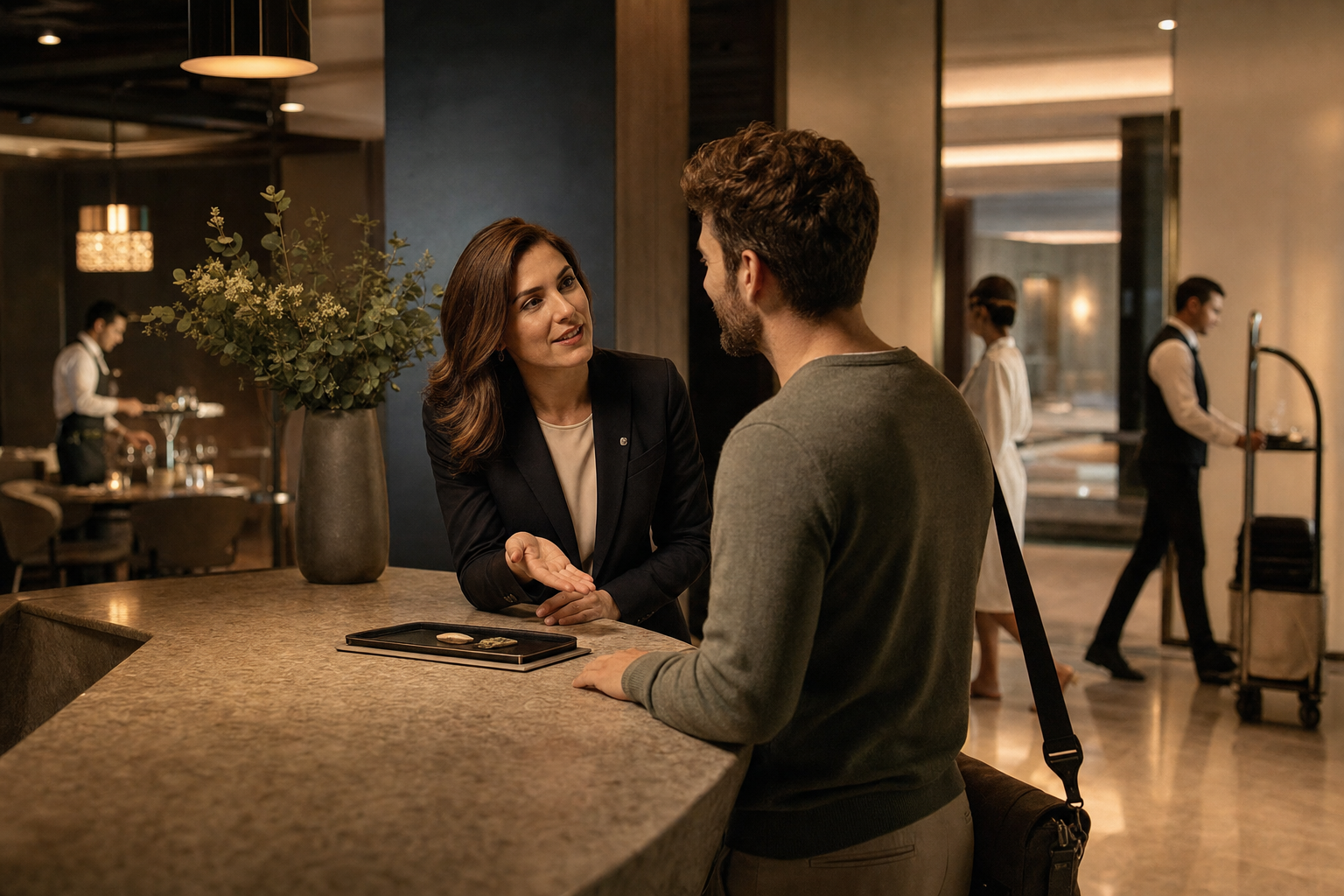
In a commercial meeting, we reviewed a cross-selling campaign that, according to the report, had performed very well. Restaurant reservations, spa treatments and late check-out requests had increased. The figures appeared to justify the initiative until we began asking what had happened after each sale. The restaurant had built up delays, the spa had had to reschedule appointments due to understaffing, and Housekeeping had received a concentration of rooms with late check-outs that was difficult to absorb. We had sold more, yes, but we had also created a worse operation.
That episode reminded me of a fairly widespread misconception in Hospitality. We consider hotel cross-selling successful when the guest accepts the offer, as though the sale ended at the moment they say yes. We celebrate the conversion, assign the revenue to the relevant department and congratulate the team. We rarely trace that decision all the way through to actual delivery, the additional cost, possible compensation and its effect on the rest of the stay. A spreadsheet can record a sale in seconds; fortunately for it, it has never had to explain to a guest why their table is not ready yet.
You have reached your free article limit
Subscribe to continue reading without limits, or unlock this article individually when available.