
4 min read•Albert Barra
Know Your Guests, Build Lasting Connections: Personalization Strategies That Make an Impact

Albert BarraJanuary 20, 2025 · 4 min read
In modern hospitality, personalization turns hotel stays into memorable guest experiences. From remembering names and preferences to incorporating local touches that reinforce authenticity, every tailored interaction can strengthen emotional connections, elevate brand perception, and support guest satisfaction and loyalty. Discover how small, thoughtful actions can make a meaningful difference.
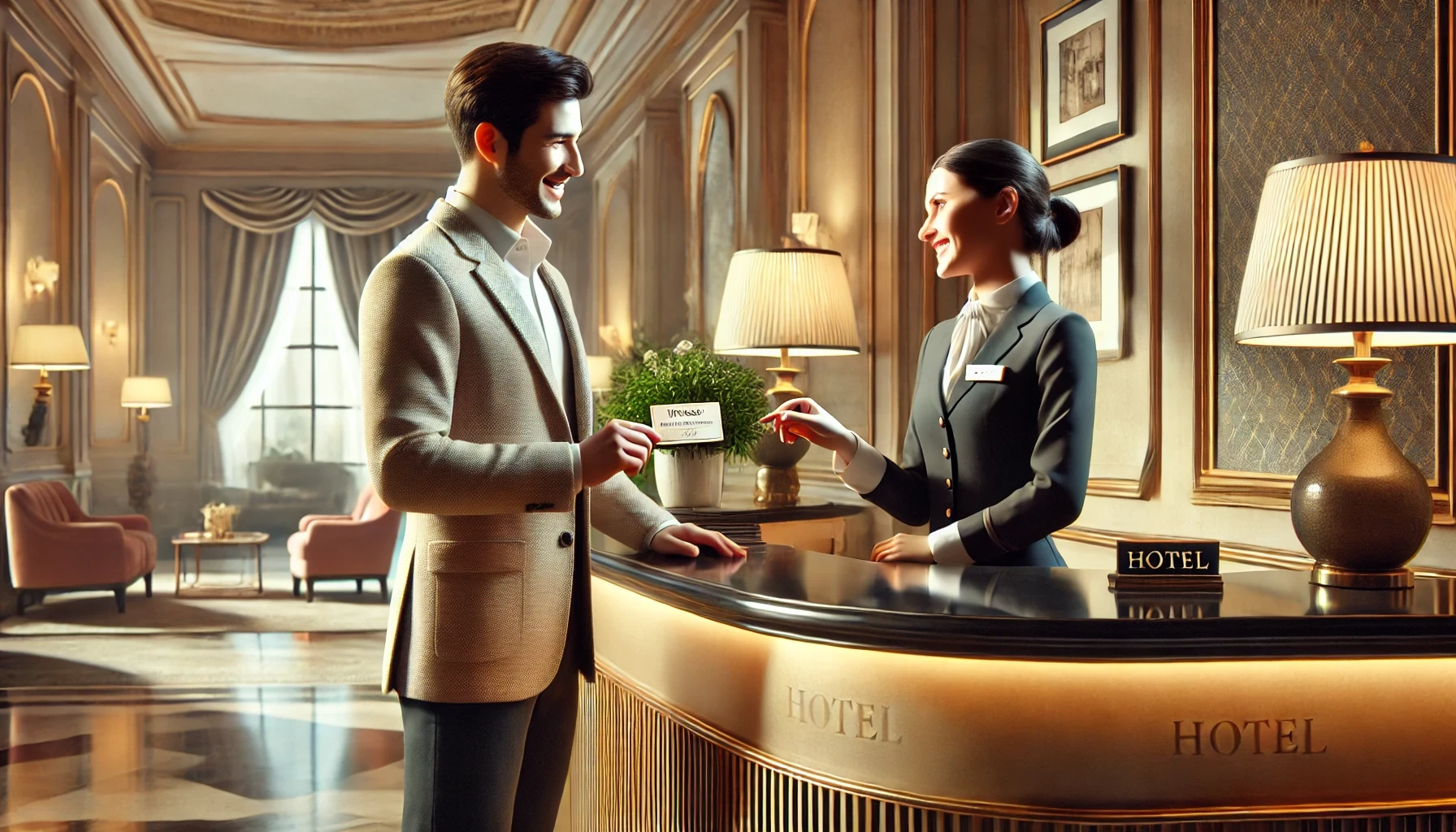

Personalization is the essence of hospitality. In a world where standardization is everywhere, the hotels that truly stand out are those that go beyond procedures and create experiences that resonate emotionally with their guests. Whether they are frequent travelers or locals seeking a special experience, the ability to remember a name, recognize a preference, or anticipate a need is invaluable. It is what transforms a stay into an unforgettable memory.
In my experience, I have learned that the secret lies not only in offering quality products or services, but in how those services are tailored to each guest’s expectations and circumstances. For example, a gesture as simple as remembering a guest’s preferred coffee can have more impact than any sophisticated promotion. When executed well, personalization becomes the bridge between a functional experience and an emotional one.
Moreover, connection with the local community is a powerful tool that is often underestimated. Understanding the preferences, habits, and needs of those around us not only enables us to serve guests better, but also strengthens the perception of the hotel as a key player in the community. From offering local products to taking part in charitable events, every action builds a deeper relationship between the business and its surroundings.
An important point to consider is that personalization does not mean improvisation. It is essential to build a clear framework that allows every team member to operate freely within well-defined boundaries. This ensures that each interaction is consistent with the brand’s values while remaining flexible enough to adapt to the circumstances.
I am going to share several key strategies that can help you implement authentic, meaningful personalization, while maintaining the balance between efficiency and individual care.
Understand Your Community and Connect with Your Guests
Personalization begins with knowledge—not only of the guest, but also of the context in which you operate. It is essential for the hotel to be seen not as an isolated entity, but as an extension of the local community. Here are some practical steps:- Get to know your local customers: Take the time to understand who your regular customers are and what interests them. This includes both frequent guests and local visitors who may use your facilities, whether the restaurant, spa, or event spaces. A PwC study shows that 73% of consumers expect businesses to understand their unique needs.
- Tailor your offering to regional preferences: Introducing products or services that reflect local preferences strengthens the connection between the hotel and its community. For example, including traditional dishes on the menu or using ingredients from local producers can be a powerful gesture that guests value.
- Support local initiatives: Taking part in community causes or sponsoring local events strengthens the perception of the hotel as an active, committed member of the community. This not only enhances its reputation, but also creates opportunities to attract new customers who share those values.
Memorable Experiences Through Small Gestures
True personalization does not always require major investments; rather, it calls for attention to detail and a team trained to identify opportunities. Here are some practical ideas that have proven effective:- Remember guests’ names and preferences: Something as simple as greeting a regular guest by name can make a significant difference. If you also remember their preferences, such as a particular room or their favorite beverage, you will create an emotional connection.
- Anticipate needs: Actively listening to guests allows you to identify what they need even before they ask. For example, if you notice that someone is traveling for work, offering them a quiet space for a video call can be a highly valued gesture.
- Offer personalized surprises: Details such as a handwritten note, a small local gift, or a special dessert to celebrate a birthday can have a lasting impact. According to a Deloitte report, customers who experience personalization are 20% more likely to make a repeat purchase or stay.
PREMIUM ARTICLE
Continue reading this Premium analysis
Unlock this article individually or choose a subscription that includes Premium access.
Already have access?Sign in
