
Management Bottlenecks: A Barrier to Hotel Growth



I find myself reflecting on a crucial aspect of the future of any property: management bottlenecks.
It is an issue that, although often overlooked, can become the main barrier to progress and the effective implementation of succession plans in the hotel industry.
Telltale Signs That the Leader Is the Obstacle
When leadership becomes an obstacle, the business engine grinds to a halt. It is vital to recognise the signs that indicate that, as a leader, you may be holding back the progress of your employees and, consequently, hindering your hotel’s future.
- Overloaded Calendar and Overwhelming Tasks A leader who is constantly overwhelmed by a packed calendar and pending tasks is a bottleneck. A lack of time for strategic thinking can slow the progress of the entire team.
- Leadership Dependency If the business cannot operate without the leader’s constant intervention, an unhealthy dependency is being created. An efficient hotel should be able to function without the leader having to intervene in every operational aspect.
- Guests Who Only Feel Special Through the Leader’s Direct Involvement When guests only feel valued if they are personally attended to by the leader, an unsustainable dynamic is being created. Guest relationships must be the responsibility of the entire team, not just the General Manager.
- Disempowered Key Staff A lack of empowerment among key employees, as evidenced in employee engagement reports, indicates that leadership is holding back initiative and team engagement.
Empowering Your Employees
High-potential employees—those willing to put in extra effort—are the driving force behind any hotel’s success. However, their progress is hindered if they are not given the opportunity to advance. If a leader limits their growth, these talented individuals will seek opportunities elsewhere. Studies show that a "lack of advancement" is one of the most compelling reasons professionals resign.
"Delegating does not mean losing control; it means gaining an empowered team and a sustainable future for your hotel."
Succession Planning Model to Overcome Bottlenecks
1. Identifying High-Potential Employees Focus on surrounding yourself with high-potential employees. Distribute responsibilities among them, recognising that the hotel’s growth and success cannot rest on one person alone.
Books to run a hotel with judgement
Written from the general manager’s chair: technology, guest experience, leadership and management.
 Directing HotelsWhat Nobody Tells You Before You Sit in the General Manager’s Chair
 The Intelligent HotelData, Artificial Intelligence and a New Way to Run Hotels
 The Guest JourneyDesigning Customer Experience Across the Entire Hotel Journey
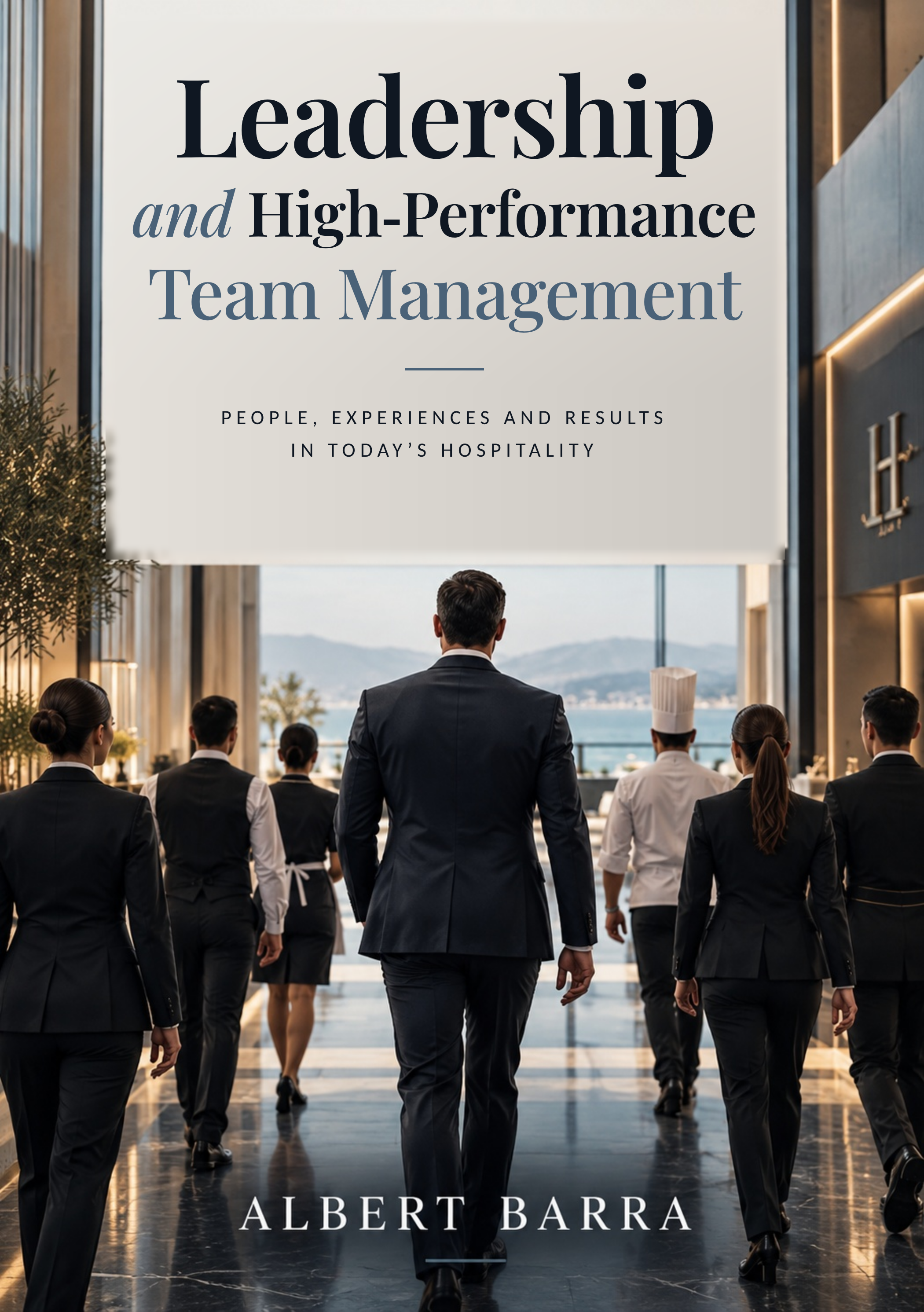 Leadership and High-Performance Team ManagementPeople, Experiences and Results in Today\\\'s Hospitality
- Building a Stellar Team: Start by identifying employees with the talent, determination and skills to become future leaders. Invest in their development and guidance.
- Accelerated Development Programmes: Tailor training programmes so that high-potential employees learn at an accelerated pace, preparing them to take on more significant roles.
2. Delegating Responsibilities for a Permanent Transfer Avoid a culture of micromanagement and task overload that leads to burnout. Delegate and eliminate tasks that do not directly contribute to the hotel’s revenue.
- Focusing on What Matters Most: Identify the tasks that directly affect the hotel’s revenue and focus on those responsibilities. Delegate routine operational tasks to free up time.
- Delegation Strategies: Learn to delegate efficiently, prioritising tasks that are critical to leadership and assigning operational ones to team members.
3. Supporting Efforts with Measurable Results
- From Delegation to Profitability: Recognise that delegating may initially seem more costly, but over time, employees will become more efficient, delivering a long-term return on investment.
- Benchmarking for Success: Establish measurable performance benchmarks and compare them with industry benchmark data. Continuously adjust as needed to maximise performance.
Conclusions That Inspire Action
- A Powerful Conclusion: Unlocking your team’s potential not only improves efficiency, but also paves the way for the hotel’s long-term success.
- The Future in Your Employees’ Hands: By freeing up operational and strategic responsibilities, you are building a sustainable future—not only for your hotel, but also for those who are ready to lead.
This article ends here. The archive does not.
Lead Hospitality brings together 1200 English articles published since 2018: years of experiences, decisions and lessons you can keep exploring.
What would you like to explore next?
Choose a direction and keep reading around what you want to solve, learn or challenge.