
Hotel Pricing Strategy: How to Set Rates Without Following the Competition

Hotel pricing is about far more than choosing between €100 and €140. It is a strategic decision that combines analysis, perceived value and market differentiation. Rates communicate not only affordability or exclusivity, but also the guest experience a hotel promises to deliver. While competitor pricing can provide useful context, relying on it too heavily can lead to price wars, weaker profitability and a diluted brand position. This article explores how to make smarter pricing decisions, communicate the value behind every rate and maximise revenue without compromising perceived quality.
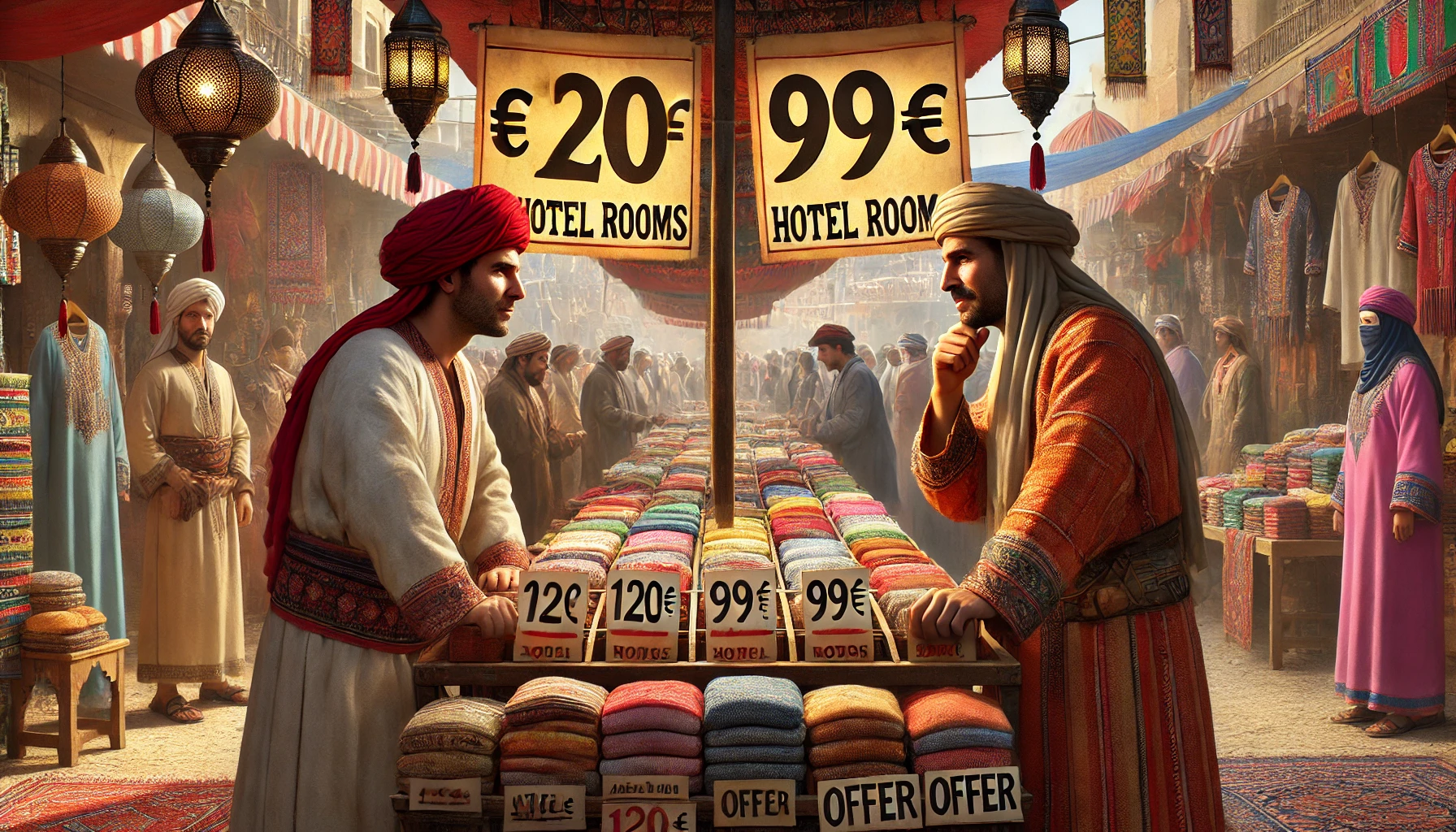

In hospitality, setting the rates for our rooms is one of the most complex and strategic decisions we face. Determining whether we sell a room for €100 or €140 involves far more than basic cost calculations. Variables influence both guest perception and the bottom line, and understanding these dynamics is key to maximising revenue without compromising the perception of value.
First, we need to understand that prices are not isolated numbers; they are messages. A rate of €100 may convey accessibility or a lack of exclusivity, while one of €140 could position the hotel as premium, but also alienate certain segments. Perceived value becomes a central consideration: why would a guest pay more if they do not understand what they are getting in return?
Keep reading without waiting for the next reset
Your free access includes 6 reads per week. Subscribe to continue now.