
Helping Guests Discover What They Need: Hospitality’s Most Subtle Art



In hospitality, there is something more difficult than satisfying the guest: helping them discover what they truly want. It is not about reading their minds, but about understanding their human nature in an environment of shifting emotions, unspoken expectations and silences that speak louder than words. I have learned that guests do not always seek what they say they want. Sometimes, they do not even know themselves. And therein lies the deepest essence of our profession: interpreting, translating and transforming the intangible into an experience.
Over the years, I have seen some teams become obsessed with efficiency, procedures and standards, believing that these guarantee satisfaction. But guests do not remember processes; they remember how you made them feel. They remember the knowing look of someone who sensed they wanted to rest before offering them a drink; the gesture of someone who understood their need for silence without a word being said. And it is these small, almost invisible insights that distinguish a competent hotel from a memorable one.
In an industry increasingly measured by metrics—reviews, NPS, ADR—we run the risk of forgetting what is essential: emotional insight. Operations manuals explain how to clean a room, but not how to recognise the nostalgia of a guest travelling alone. No checklist can teach us to anticipate desires; this is cultivated through empathy, observation and a service culture.
I have found that the hotels that interpret their guests best are those where teams are trained not only in technical skills, but also in emotional intelligence and active listening. The results are clear: fewer complaints, more recommendations and a sense of genuine connection. Not because the guest receives what they asked for, but because they feel that someone understood them.
In a world where luxury is confused with the tangible, true luxury is being understood. And that value does not depend on a hotel’s category, but on the human quality of its team. Helping guests understand what they want is, ultimately, an act of mindful hospitality.
Observation: the guest’s first language
I learned long ago that guests do not communicate with words alone. They communicate through their gaze, their posture and the rhythm of their gestures. Observing without intruding, listening without interrupting and offering without imposing are virtues born of respect. In hospitality, observation is a strategic tool.

The key lies in spotting signs of desire before they are verbalised:
The guest who looks twice at the wine list, but does not ask, is probably waiting for a discreet suggestion.
The couple sitting silently facing the sea does not need conversation, but space and care.
The executive checking their watch every three minutes does not need superficial friendliness, but efficiency.
As Valentini Kalargyrou noted in her research on hospitality leadership (University of Nevada, 2009), “communication is not about speaking well, but about knowing how to read the human context”. This is the skill that distinguishes a waiter who serves from one who truly looks after guests, and a receptionist who processes from one who welcomes.
Books to run a hotel with judgement
Written from the general manager’s chair: technology, guest experience, leadership and management.
 Directing HotelsWhat Nobody Tells You Before You Sit in the General Manager’s Chair
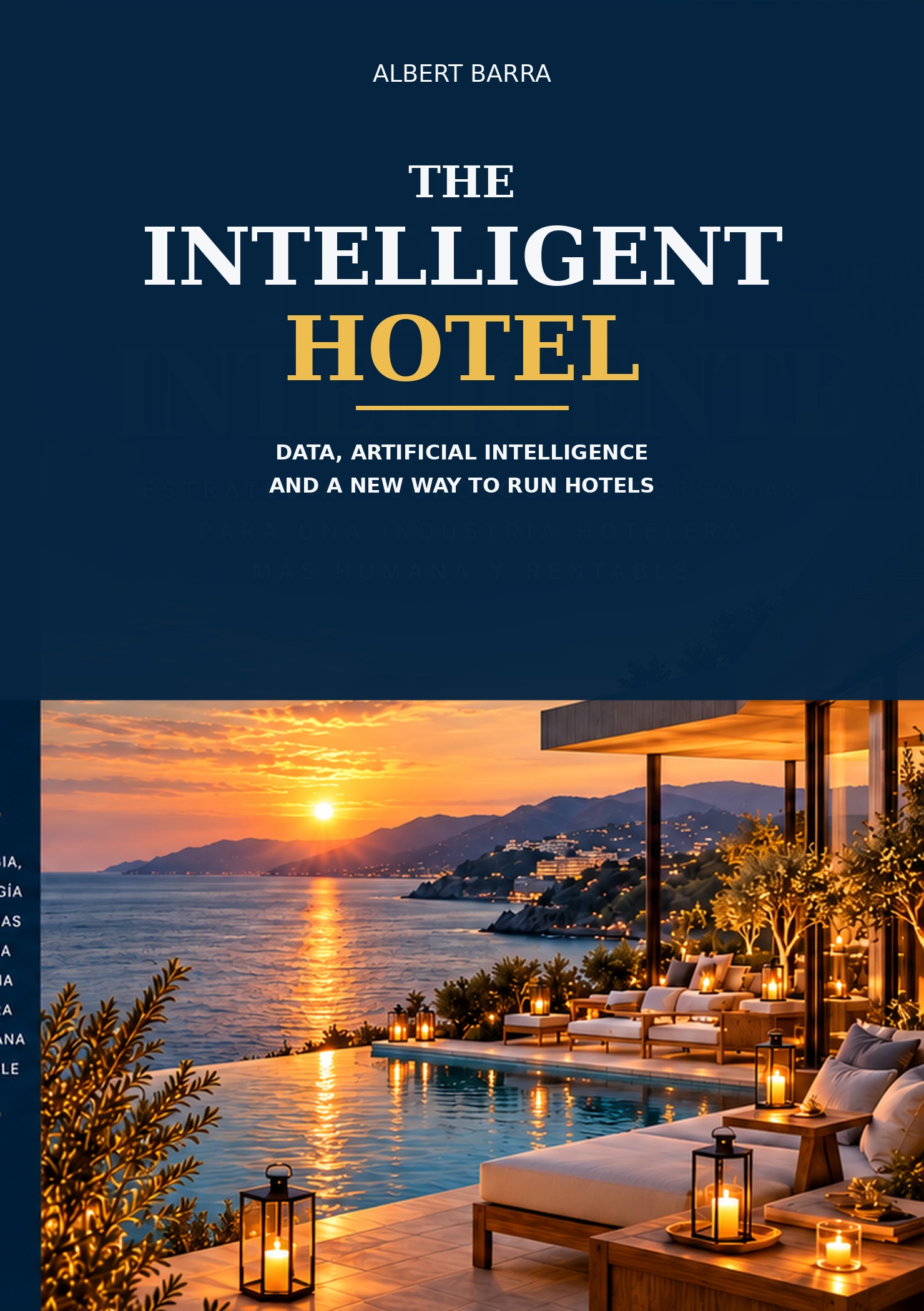 The Intelligent HotelData, Artificial Intelligence and a New Way to Run Hotels
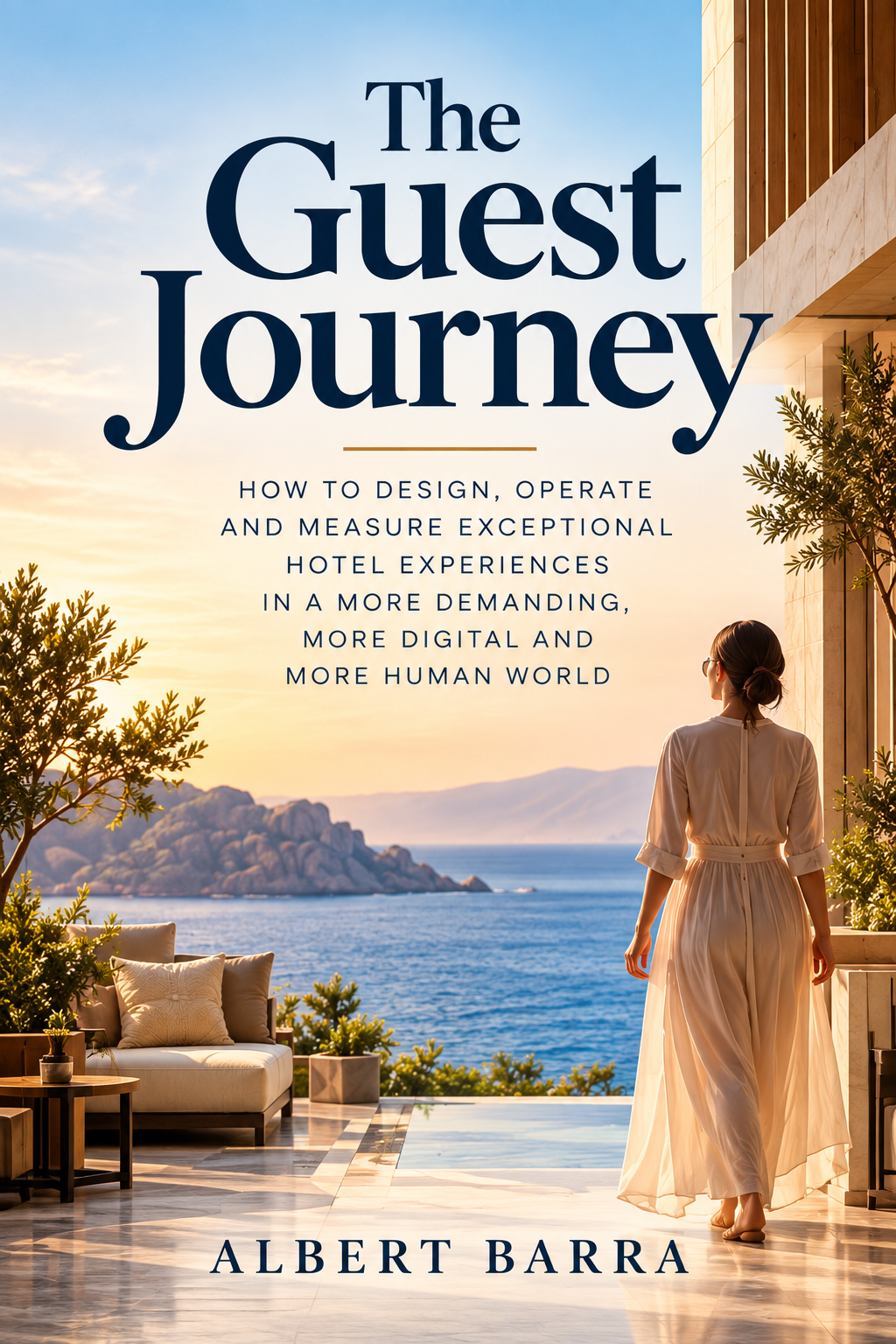 The Guest JourneyDesigning Customer Experience Across the Entire Hotel Journey
 Leadership and High-Performance Team ManagementPeople, Experiences and Results in Today\\\'s Hospitality
Empathetic observation is not magical intuition; it is a method. In the best-managed hotels under the EFQM model, this sensitivity is systematised: staff are trained to identify behaviours, preferences are recorded, and information is shared across departments. Thus, when a guest orders a coffee at the bar and mentions a lactose intolerance, the breakfast team already knows the next day. It is emotional management turned into a process.
Designing experiences that guide without imposing
Helping guests discover what they want also means designing sensory journeys that invite them to choose without pressure. In strategic terms, this is customer journey orchestration, but in practice it is an invisible choreography of stimuli, rhythms and spaces.
I have found that guests do not seek endless options, but emotional clarity. That is why the most successful hotels simplify their offering and personalise it according to guest profiles. They do not overwhelm guests with promotions; instead, they suggest pathways: the guest who arrives exhausted needs a tranquil spa; the curious traveller, an authentic local recommendation; the romantic guest, an unexpected touch.
Sustainable competitive advantage in hospitality is not based on the product alone, but on the alignment of purpose, culture and experience. Guests feel guided, rather than manipulated, when everything they experience at the hotel—from the lobby’s scent to the team’s attitude—responds to the same emotional purpose.
Ultimately, it is not about selling services, but about awakening dormant emotions. A guest once said it as they were leaving: “I did not realise how tired I was until I arrived here”. That is helping them understand what they wanted without even realising it.
Three tips that never fail
1. Listen to silences as much as to words.
Guests do not always complain; sometimes they remain silent. And in hospitality, silence is information. Notice when they avoid a space, when they do not finish their meal, when they do not repeat an experience. Every gesture is an emotional data point.
2. Empower your team to make decisions.
No one can anticipate desires if they are bound by rigid protocols. Give them autonomy. A receptionist who can offer a drink to someone who is waiting or change a detail in a room is not improvising: they are creating value.
3. Safeguard internal consistency.
If team members do not feel understood, they will hardly be able to understand the guest. The hotel’s internal culture must reflect the same hospitality it promotes externally. Empathy begins at home.
Helping guests understand what they want is not a trick; it is a philosophy. It is the most human art of our profession. And when a guest says as they leave: “I do not know what it is about this place, but I feel good here”, you know you have achieved it.
This article ends here. The archive does not.
Lead Hospitality brings together 1200 English articles published since 2018: years of experiences, decisions and lessons you can keep exploring.
What would you like to explore next?
Choose a direction and keep reading around what you want to solve, learn or challenge.