
A Well-Trained Hotel Team Passionate About Service

Albert BarraNovember 12, 2024 · 5 min read
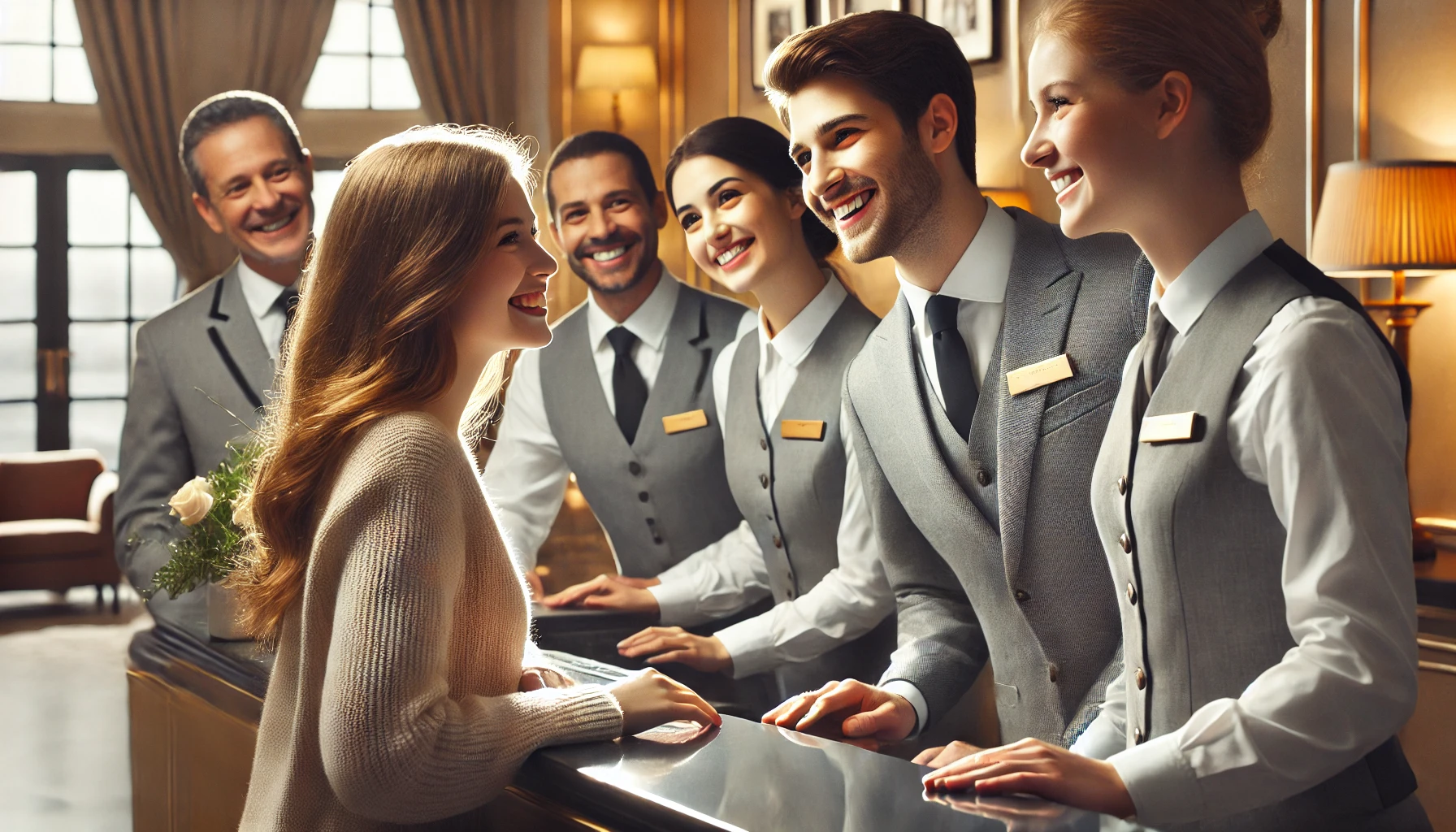
On this occasion, I will explore the importance of having a team of well-trained employees who are passionate about service, as they are the face of our hotel and, ultimately, responsible for ensuring that guests enjoy a unique experience. Without a team that feels motivated and valued, it will be difficult to encourage guests to return and become loyal advocates of our brand.
The staff is the heart and soul of any hotel establishment. Guests may enjoy modern facilities, advanced technology and luxury services, but, in the end, what truly makes the difference is the human touch they receive. When the team enjoys what they do, it shows in every interaction and, as a result, guests perceive a warm and welcoming atmosphere.
As a Gallup study indicates, happy employees not only generate 20% more productivity, but also contribute significantly to a better guest experience. So, rather than treating team training and wellbeing as just another investment, let us view them as a fundamental pillar for achieving success in guest loyalty.
In an environment where guests seek personalised and memorable experiences, having a team that feels engaged and well trained is essential. Guest service is not simply a set of tasks; it is a way of creating moments that remain in guests’ memories. Staff who feel valued and equipped with service skills create a genuine connection with the guest and ensure that every hotel visit becomes more than a simple stay.
In an environment where guests seek personalised and memorable experiences, having a team that feels engaged and well trained is essential. Guest service is not simply a set of tasks; it is a way of creating moments that remain in guests’ memories. Staff who feel valued and equipped with service skills create a genuine connection with the guest and ensure that every hotel visit becomes more than a simple stay.
Training and Motivating Staff
Below, I outline strategies to help the team feel valued, engaged and prepared to deliver exceptional service:-
-
Ongoing Training in Service Skills
- Relevance: Training should not be limited to the initial onboarding stage. Team members need ongoing training to refine their skills and adapt to new market demands.
- Focus: Provide training in areas such as empathy, conflict resolution and communication techniques. Soft-skills training improves staff members’ ability to manage complex situations effectively.
- Fact: A LinkedIn study reveals that 94% of employees would stay longer at a company that invests in their professional development.
-
Fostering a Culture of Empathy and Service
- Empathy as a Core Principle: Instilling empathy not only improves the workplace environment, but also directly affects the way the team interacts with guests. Staff who can understand and anticipate guest needs are invaluable.
- Practice: Hold empathy workshops that help the team put themselves in the guest’s shoes. For example, use role-playing or simulations of real-life situations so staff can learn to manage guests’ emotions and expectations effectively.
-
Strengthening Belonging and Motivation
- Benefit: When the team feels that their work has a purpose, their motivation grows. Reinforce the importance of every role within the hotel and how every action contributes to the guest experience.
- Strategy: Celebrate achievements and recognise strong performance regularly. A simple thank-you, awards or performance bonuses can make a significant difference. According to Glassdoor, 53% of employees said they would stay with a company if their work were recognised frequently.
-
Promoting a Positive and Respectful Work Environment
- Objective: A positive work environment leads to happier employees, which in turn enhances the guest experience.
- Action: Foster a culture of respect and mutual support within the team. Organise activities that strengthen unity and camaraderie. From a leadership perspective, it is essential to practise open and constructive communication.
-
Creating Clear Growth Opportunities
- Professional Growth: Employees feel motivated when they see opportunities to advance their careers. Offering them a career development plan within the hotel or hotel group gives them a reason to commit for the long term.
- Example: Offer internal promotions, mentoring programmes or opportunities to work with other properties in the group so the team feels valued and sees a future within the organisation.
-
Listening to Staff and Addressing Their Needs
- Listen and Act: Employees who feel their opinions matter are more engaged. Conduct satisfaction surveys and feedback sessions regularly.
- Tip: Act quickly on any issues you identify within the team. This demonstrates that you value their input and are committed to their wellbeing. In addition, by resolving internal conflicts, staff can focus on delivering better guest service.
-
Creating Training Experiences That Simulate Real-Life Scenarios
- Simulations: Organise training sessions that include simulations of guest interactions, allowing the team to practise handling a range of situations.
- Advantage: These exercises help employees feel more confident and prepared to handle both complaints and praise. According to Forbes, 85% of employees believe that simulations and practical exercises significantly improve their performance in real-life situations.
-
Motivating Staff to Love Their Work
A team that enjoys its work enables guests to feel a positive, welcoming energy in every corner of the hotel. Achieving this requires inspiring leadership and a company culture that values people beyond the numbers. Staff motivation depends on several key factors:- Personal and Professional Incentives: Beyond salary, providing access to wellbeing programmes such as gyms, therapies and recreational activities can improve the team’s mood and satisfaction.
- Flexible Schedules: Sometimes, offering more flexible schedules, where operations permit, can make a significant difference to team motivation and engagement.
- Public Recognition: Every team success should be celebrated publicly, highlighting both individual and collective achievements. An employee who feels valued and seen is an employee who will stay longer.