
Everyone Has an Inner Hotel Manager—Some Are Just Too Confident

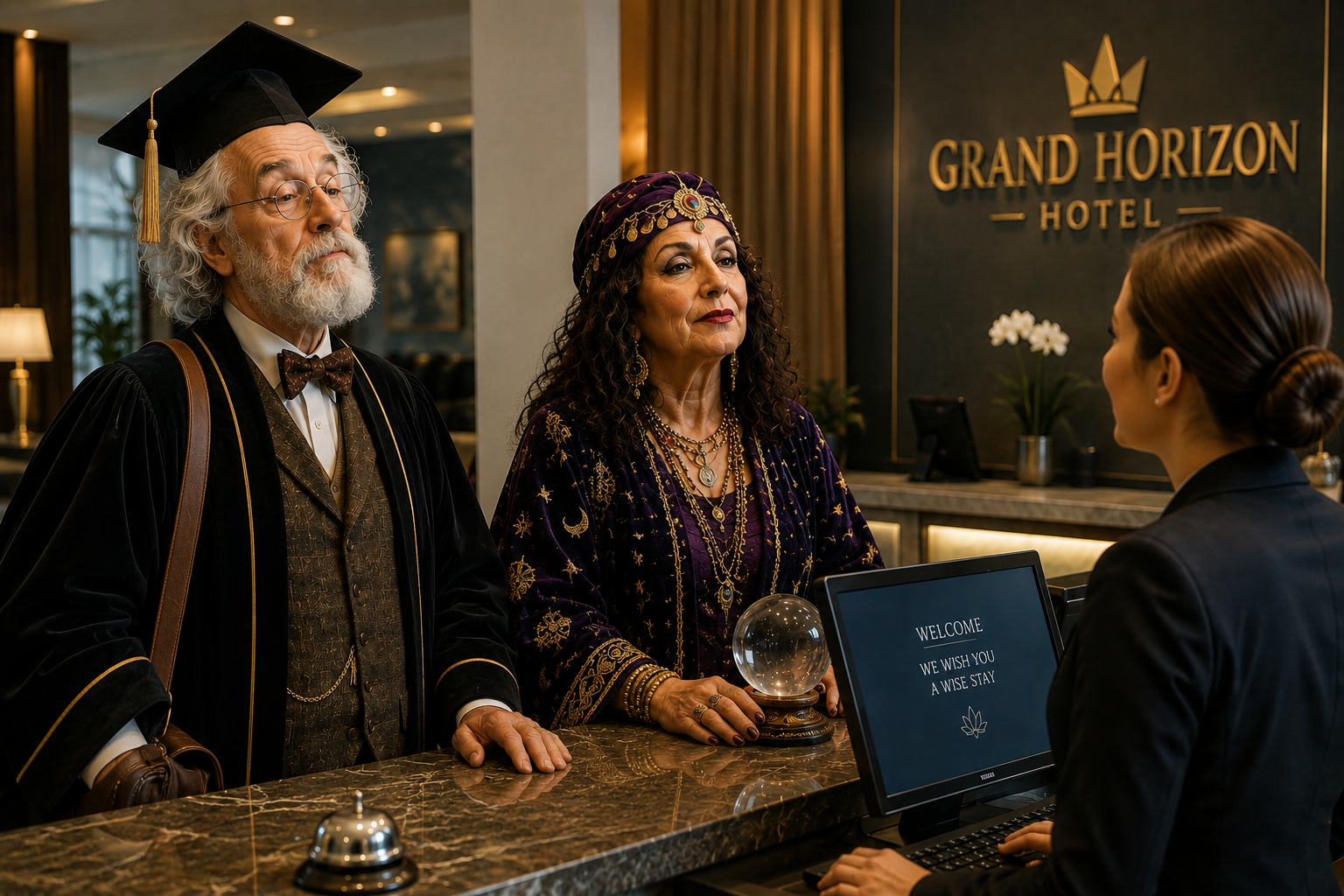

There is a curious transformation that occurs with surprising frequency when someone walks through a hotel’s doors. It appears in no psychology textbook and has never been studied in hospitality schools, yet anyone who has spent a few years in this industry knows exactly what I mean. It is that moment when a person ceases to be a guest, supplier or employee and, without realising it, becomes the hotel’s honorary general manager.
What is truly fascinating is that the appointment requires no previous experience, hospitality knowledge or responsibility whatsoever for results. Having spent one night in a hotel, worked at reception for a few weeks or watched a couple of hotel renovation programmes is enough to feel fully qualified to redesign the entire operation.
In truth, we all have a little hotel manager inside us. The problem is not having opinions. The problem arises when we confuse an opinion with an absolute truth.
One of the most common profiles is the strategist guest. They can explain how you should manage your pricing strategy while holding a reservation made six months earlier on a non-refundable offer. With immense conviction, they tell you that rooms should cost far less, although, curiously, they add that breakfast should be more generous, rooms larger, the spa complimentary, parking included and, if possible, the welcome drink of a higher quality.
There is also the architect guest, someone who spots, within barely five minutes, every design decision that, in their view, was a huge mistake. Reception should be two metres further to the left. The restaurant should open onto the pool. The lift should be panoramic. The gym would be better on the rooftop. The rooms would improve greatly if that wall were knocked down, the balcony enlarged and the building turned some thirty degrees towards the sunrise.
Naturally, all these changes can be made quite easily. At least in their imagination.

Stop managing isolated systems. Start managing the whole hotel.
HotelGEX connects guests, operations, Revenue, F&B, Groups & Events and Management into one intelligent hotel context — so every decision starts with a clearer picture.
No less interesting is the gastronomy expert guest, who, after ordering a paella, explains to the chef how the rice should be cooked because they once had an extraordinary one on holiday fifteen years ago. Or the one who corrects the menu because “where I come from, this is done differently”, as though Spanish cuisine had signed a collective agreement requiring exactly the same dishes to be prepared from Finisterre to Cabo de Gata.
Another classic is the human resources specialist. After watching a waiter work for forty seconds, they already know who deserves a promotion, who should move to another department and who, in their opinion, should leave the company as soon as possible. All without knowing their schedules, workloads, training, rotations, holidays or absolutely anything about the people they have just passed judgement on.
But it would not be fair to think that this curious phenomenon belongs exclusively to guests.
In every hotel, sooner or later, the strategist employee appears: the professional convinced that management should consult them on absolutely every important decision. If a procedure changes, nobody asked them. If a schedule is amended, nobody asked them either. If a commercial promotion is launched, they believe the idea they never actually put forward would have been much better... but which they assure you they had been thinking about for months.
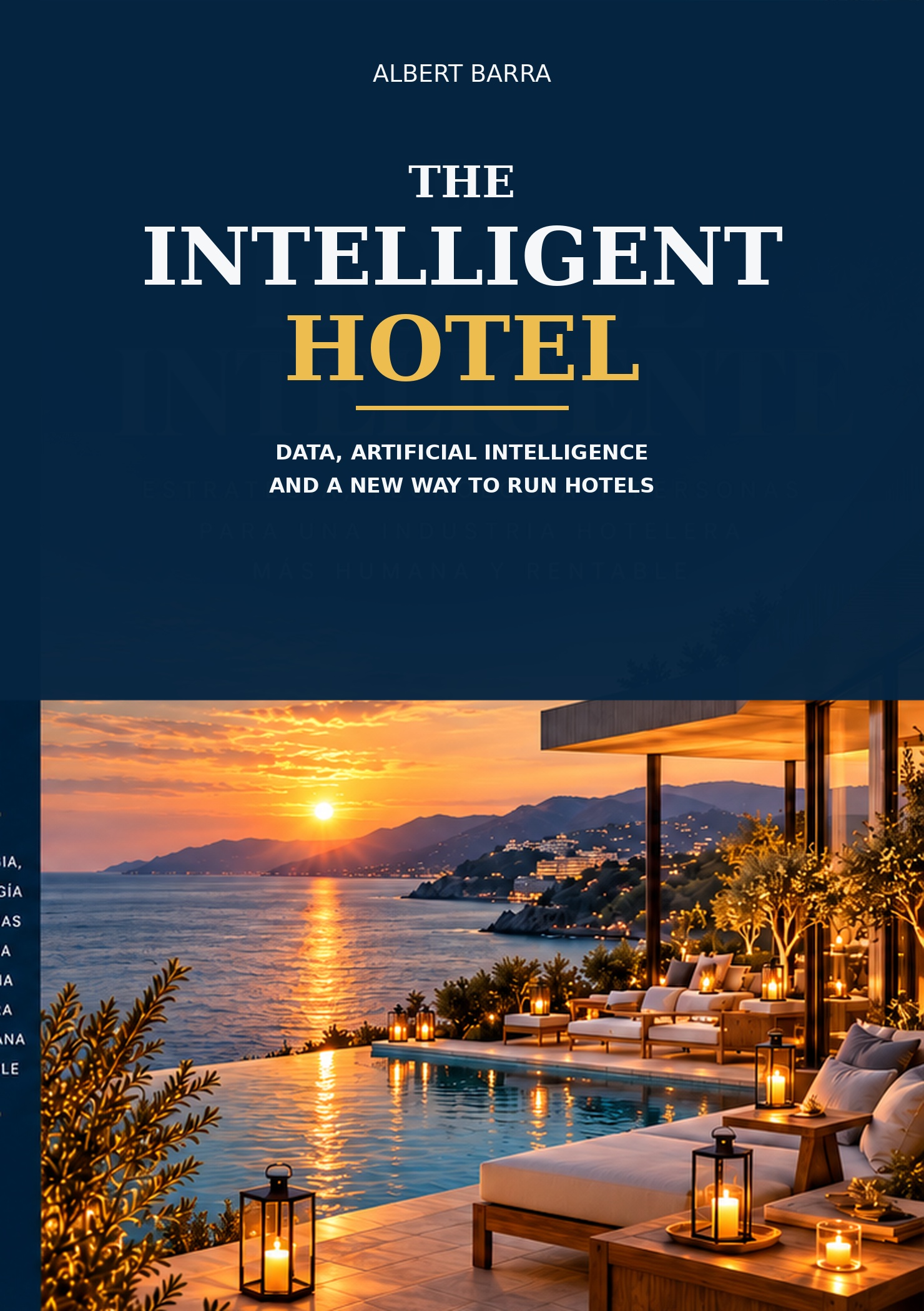

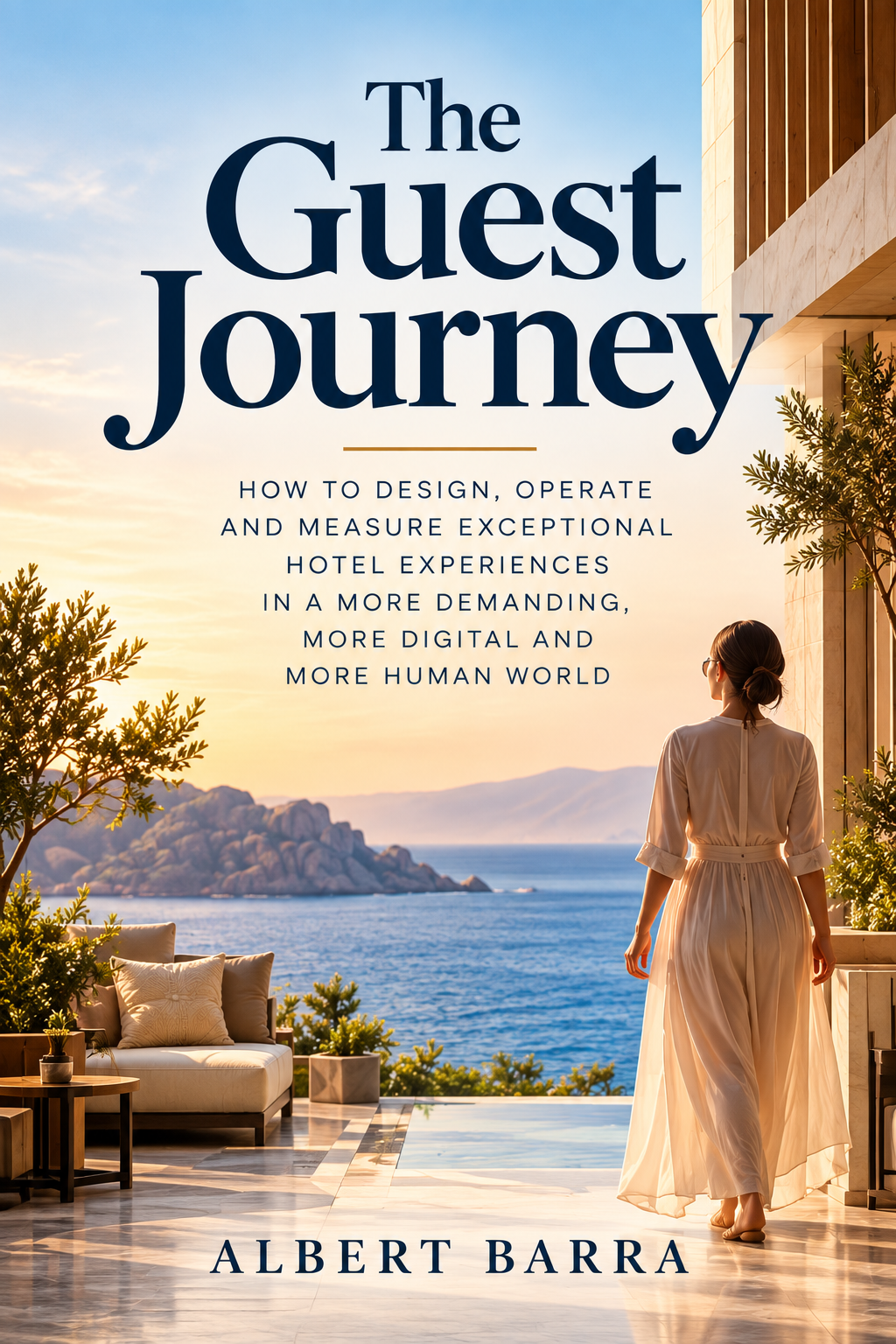
My published books
It is a particularly interesting profile because they often discover extraordinarily simple solutions to highly complex problems. Occupancy is low because “we need to advertise more”. Negative reviews would disappear if “we listened to the guest more”. Profitability would increase by “selling more rooms”. And staff morale would improve by “motivating the team more”. It all seems so simple that one wonders how the rest of the hospitality industry has not yet discovered such revolutionary formulas.
There is also the visionary former employee, whose analytical ability increases exponentially on the very day after leaving the company. While working at the hotel, they barely found time to suggest improvements, but from the sofa at home they discover, with surgical precision, every strategic mistake made over the past few years. They analyse the online reputation, criticise commercial decisions, weigh in on the cuisine, question the leadership and predict the hotel’s imminent closure... a closure that, incidentally, never quite arrives.
My favourite remains the impromptu consultant, a figure who appears without warning in any conversation. It does not matter whether the subject is breakfast, air-conditioning maintenance or Christmas decorations. They always find a way to introduce an “If I were running this hotel...”. It is a wonderful phrase because it never includes budgets, labour legislation, operational constraints, energy costs, collective agreements, health inspections or financial targets. It contains only certainties.
And yet, behind all this irony lies a rather serious reflection.
Managing a hotel means living with hundreds of daily decisions that rarely have perfect answers. Every decision benefits some guests and disappoints others. It improves one process while complicating another. It reduces a cost but increases an operational burden. It increases revenue, even if it means taking on new risks. From the outside, almost everything appears simple. From the inside, very little is.
Perhaps that is why I increasingly admire those who offer their opinions with prudence. Those who ask before passing judgement. Those who acknowledge that they do not know part of the context. Those who understand that running a hotel is not about solving an isolated problem, but about keeping hundreds of variables in balance at the same time while guests expect everything to appear effortless.
Because, in the end, it is true that we all have a little hotel manager inside us. It is a natural consequence of travelling, observing and having experiences. What matters is remembering that a stay, a visit or even several years of work in one department do not automatically make anyone an expert in running an entire organisation.
And perhaps that is one of hospitality’s greatest lessons: the more you learn about it, the less straightforward everything seems. In the meantime, there will always be someone ready to explain how to run an entire hotel... before they have even finished breakfast.
This article ends here. The archive does not.
Lead Hospitality brings together 1200 English articles published since 2018: years of experiences, decisions and lessons you can keep exploring.
What would you like to explore next?
Choose a direction and keep reading around what you want to solve, learn or challenge.