
Hotel Unbundling: A Threat or a Lifeline for Hotel Profitability?

Albert BarraFebruary 18, 2025 · 4 min read
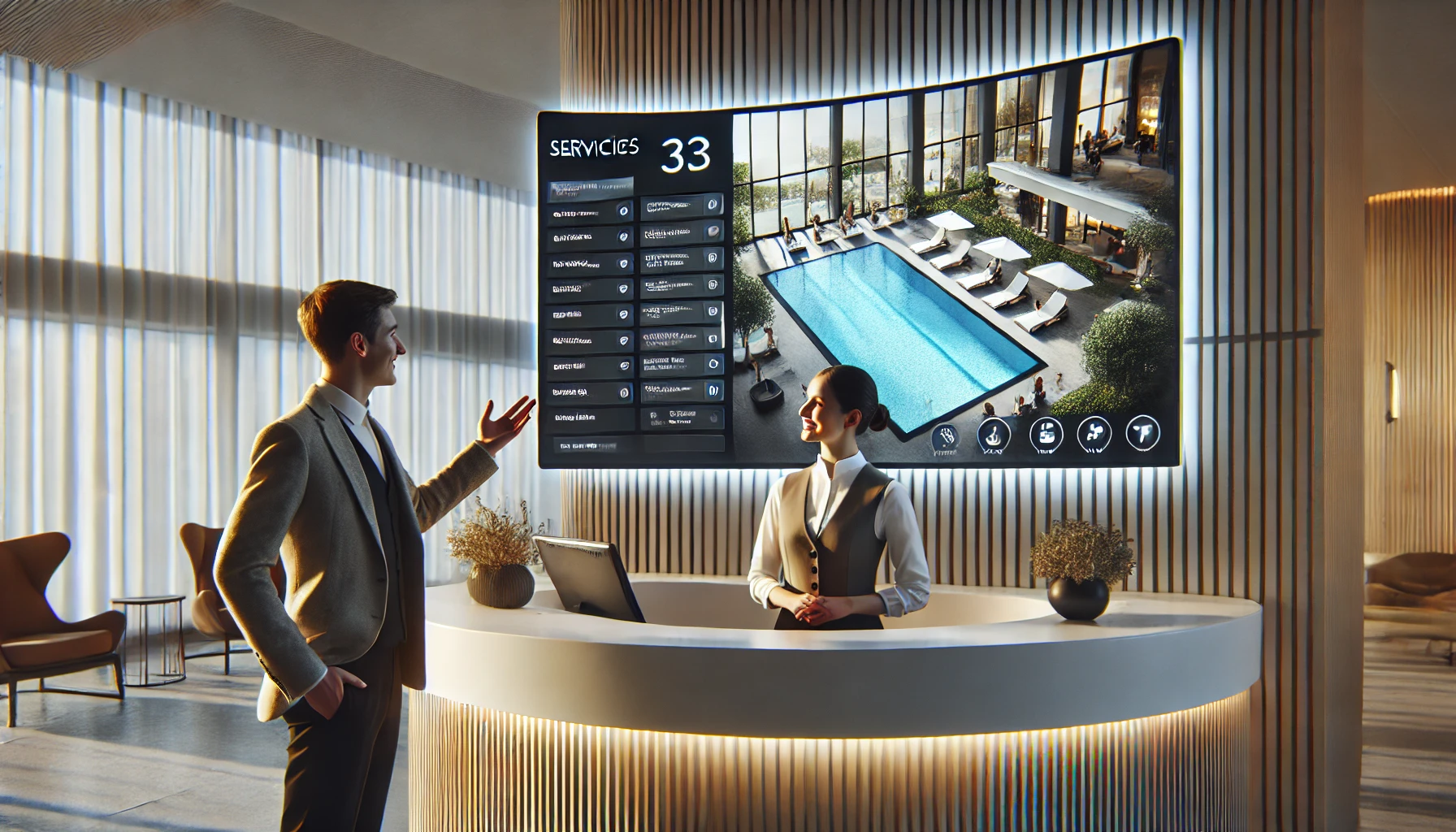
Whenever I sit down to review the hotel’s monthly results, the same question comes to mind: are we truly charging for what guests value? The hotel industry is undergoing a quiet transformation that many still underestimate: unbundling. Or, as I like to call it, the art of breaking apart the traditional package and charging only for what is consumed.
It began in aviation, with low-cost airlines charging for baggage, seat selection and practically even for breathing. Now it has reached hotels, and the question we need to ask ourselves is not whether we will adopt it, but when and how.
I see it in every conversation with colleagues: the traditional all-inclusive rate model is being eroded by growing demand for personalisation. Guests want to pay for what they use, not for what is imposed on them. And within this tension lies a golden opportunity for hotel management: to reconfigure our revenue structure and align it with actual consumption.
What Exactly Is Unbundling?
Hotel unbundling involves separating services that have traditionally been included in the room rate, allowing guests to choose and pay only for what they want. Some examples already visible in the market include:- Daily housekeeping: some guests prefer not to be disturbed and are willing to forgo the service in exchange for a discount.
- Pool or gym access: charging an additional fee to those who actually use it.
- Early check-in and late check-out: no longer as a courtesy, but as an additional product.
- Spa access: unlinked from the standard room rate.
- Breakfast: optional and segmented by tier: basic, full, gourmet.
- Increasing RevPAR Through Alternative Channels: It enables us to capture revenue that was previously absorbed by included services.
- Guest Segmentation: It allows us to tailor the offering to different guest profiles—corporate travellers, leisure guests, families and more.
- Optimising Operating Costs: If fewer guests use certain services, we can reduce the associated costs.
- Enhancing Perceived Value: When guests choose and pay, they feel in control, which increases their satisfaction.
Challenges and Hidden Risks
But I have also learned that poorly managed unbundling can damage our relationship with guests:- Perception of Greed: If guests feel that everything comes at an additional cost, they may see us as exploitative.
- A More Difficult Guest Experience: Too many decisions can turn a stay into a bureaucratic experience.
- Impact on Reputation: Negative reviews over unexpected extra charges can seriously affect the hotel’s image.
- Complete Transparency: Guests must know exactly what is included and what is not.
- Flexibility and Clear Options: It is not about charging for everything, but about offering adaptable service levels.
- Staff Training: The team must be ready to communicate the value of the model to guests seamlessly.
- Competitive Base Rates: If we are going to charge for extras, the base rate must be perceived as fair.
- Active Listening: Reviews and surveys are pure gold when it comes to refining the model.