
Hotel Industry Trends for 2025: How Technology and Personalization Will Redefine the Guest Experience



The hotel industry is undergoing an unprecedented transformation. Guest expectations have evolved dramatically, driven by an increasingly digital and demanding society. Technology has ceased to be a mere complement and has become the driving force shaping how hotels operate and, above all, how guests experience their stay. Those who fail to adapt to this change risk falling behind in a highly competitive market.
However, technological innovation alone does not guarantee success. The essence of hospitality still lies in human connection, in the ability to surprise and move guests. This is where the real challenge arises: leveraging digital tools to streamline processes without sacrificing the personalised service that turns a simple stay into a memorable experience. The combination of both worlds—technology and human warmth—will be the key to hotel leadership in the years ahead.
Against this backdrop of challenges and opportunities, the report “Hospitality in 2025: Automated, Intelligent… and More Personal” by Oracle Hospitality and Skift offers invaluable guidance.
Having analysed it in detail, I believe it is not only an accurate portrayal of the direction in which the industry is heading, but also an invitation to reflect on the balance between technology adoption and personalisation in the guest experience.
The study, based on surveys of more than 600 hoteliers and 5,000 consumers worldwide, highlights five major areas that will shape the future of hospitality through to 2025:
- Guest-centric technology: The pandemic accelerated the adoption of tools such as contactless check-in, digital payments, mobile applications and automation systems. These solutions are no longer differentiators, but fundamental requirements. Sixty per cent of executives believe that offering a fully contactless experience will be a minimum requirement in the coming years. The convenience and speed provided by these systems give guests greater control over their stay, reducing waiting times and improving the overall perception of service. At the same time, mobile platforms for managing bookings, amendments and special requests are becoming a must-have in day-to-day operations.
- Automation and Artificial Intelligence: Process automation and the use of AI will be essential to personalise the guest experience and optimise revenue. Hotels that know how to leverage data to anticipate needs and tailor their services will gain a considerable competitive advantage. Tools based on artificial intelligence will make it possible to analyse behavioural patterns, consumption preferences and guest habits in order to deliver tailored services. For example, automatically adjusting the room temperature before a guest arrives, or suggesting personalised local experiences based on the traveller’s previous preferences. AI will also help forecast demand fluctuations, optimising pricing strategies and maximising occupancy.
- Personalisation and unbundling: The trend towards “unbundling” is becoming established; in other words, breaking down traditional services to allow guests to pay only for what they truly want. This model not only maximises ancillary revenue, but also gives customers greater decision-making power. However, this approach must be applied with caution. While it may appeal to some segments, others may interpret it as an excessive charging strategy. In this respect, transparency will be key: guests must feel they are receiving value for what they pay. Examples of this model include basic rates covering accommodation only, with services such as breakfast, daily housekeeping or access to wellness areas offered as optional extras.
- Staff shortages and digitalisation: The shortage of qualified workers remains a challenge. Hotels are seeking digital solutions to ease the operational burden, optimise task management and attract talent through tools that make work easier. At this point, it is essential to redesign internal processes with the support of technology. Applications enabling real-time coordination between departments, or automatic task-allocation systems for housekeeping staff, are just some examples of how digitalisation can help mitigate human resource shortages. Likewise, tools that reduce administrative tasks allow employees to devote more time to personalised guest service.
- The value of data and the cloud: Migration to cloud-based systems is seen as essential to safeguarding data and improving the personalisation of the guest experience. More than 90% of executives have already adopted or plan to adopt these types of solutions. These systems facilitate real-time access to information, enabling more agile and efficient management. They also ensure the protection of sensitive guest data, an increasingly valued aspect in a context where cyber threats are constant. The ability to integrate multiple platforms—reservations, loyalty and customer service—into a single ecosystem makes it possible to deliver a more consistent and seamless service.
Personal Assessment
I fully agree with the report’s vision, but I believe there are several nuances that deserve attention. Automation is key, but it must not be confused with dehumanisation. The essence of hospitality lies in human connection. Technology should be an ally that frees staff from repetitive tasks, allowing them to focus on what truly matters: personalised service and the creation of memorable experiences.
Unbundling, although logical from a revenue optimisation perspective, could become a double-edged sword if overused. Excessively separating services may create the perception that guests are being “charged for everything”, which could undermine the overall experience. The key will be to strike a balance between personalisation and perceived value.
Staff shortages are, in my view, the most critical issue. Digitalising processes is only a partial solution. The industry must also work to enhance the value of hospitality roles by offering better working conditions, career development opportunities and ongoing training. Motivation and a sense of belonging are irreplaceable. In addition, investing in workplace flexibility and work-life balance may prove decisive in attracting young talent.
The report does not explore in depth the impact of sustainability, which will be another defining pillar of the sector in the coming years. Guests are no longer seeking comfort alone, but also environmental and social commitment from hotels. Implementing energy-efficiency systems, reducing plastic use, optimising water consumption and working with local suppliers will become increasingly valued practices.
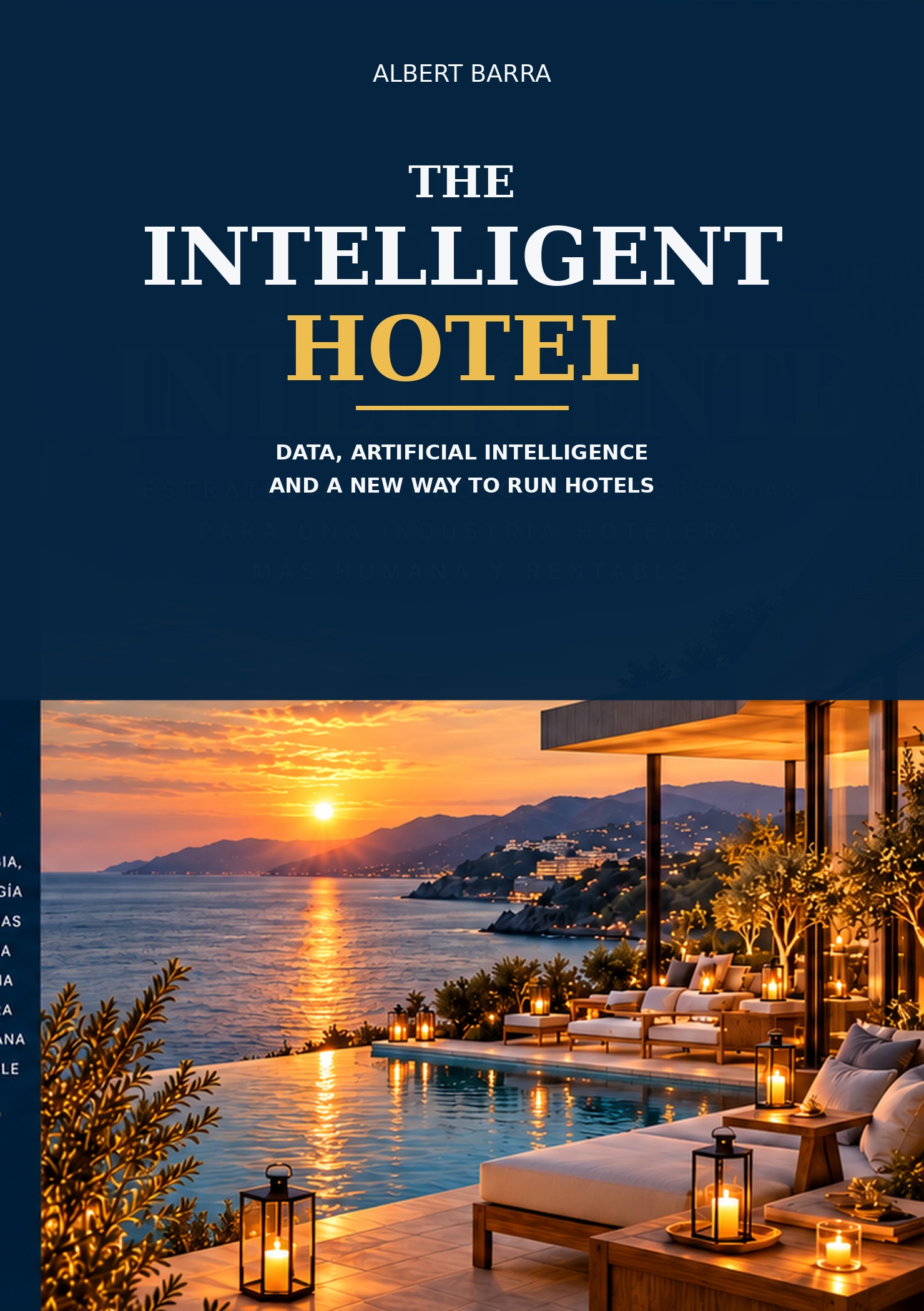

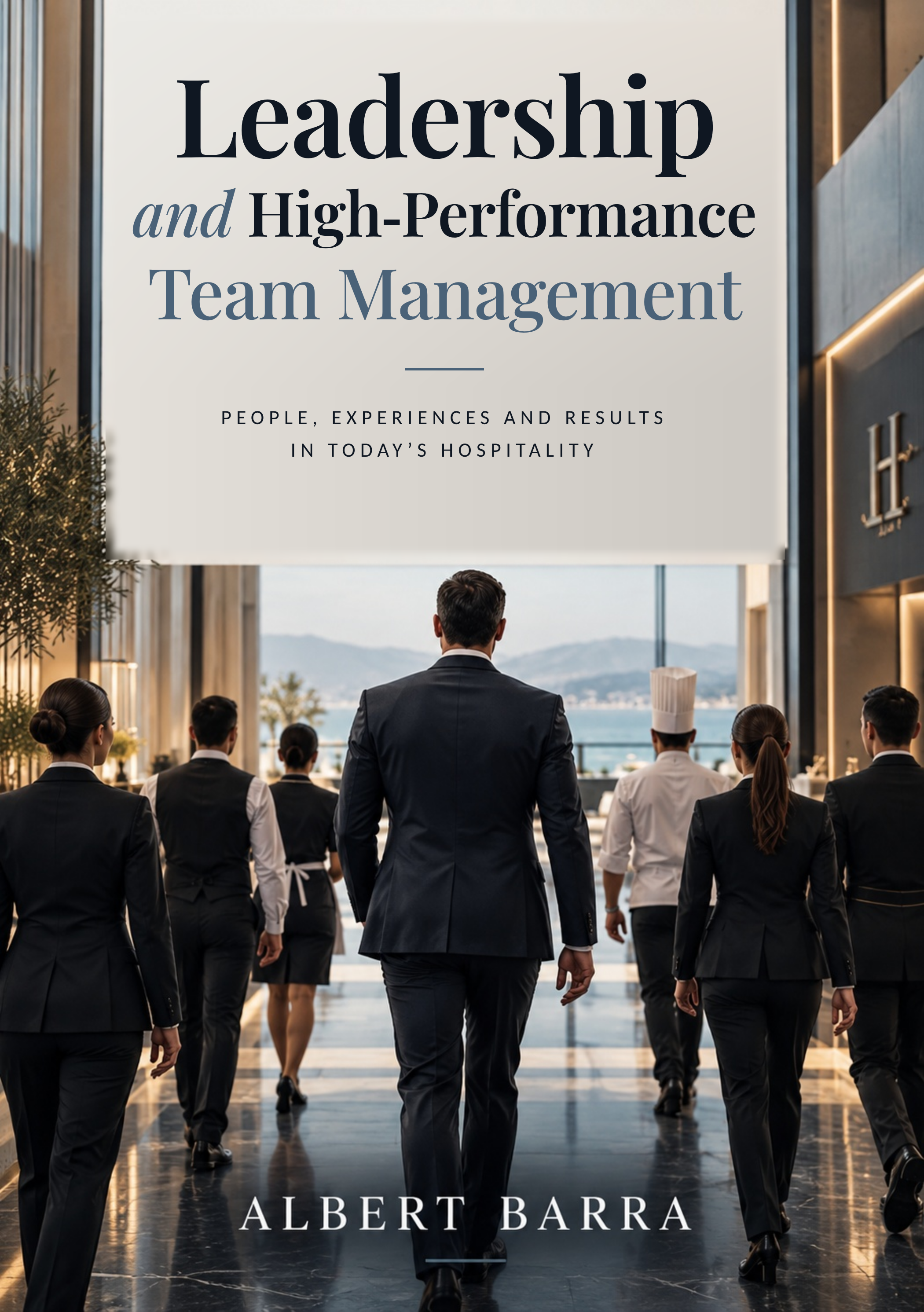
My published books
Likewise, facial recognition and biometric technology will begin to be integrated into check-in and access processes, further accelerating automation without losing focus on security.
Finally, collaboration between hotels and remote-work platforms will grow, turning rooms into flexible workspaces. The “hotel office” concept is already emerging as an additional business line.
- Invest in technology solutions that streamline processes, but prioritise those that enhance guest interaction. Digitalisation should facilitate both internal operations and direct interaction with guests. Implementing automated check-in and check-out systems is key, but so is having platforms that allow guests to personalise their stay, make special requests from their mobile device or easily contact the hotel team. Technology should streamline service without replacing human interaction.
- Continuously train staff so they can complement the use of technology with human warmth. Automation must not make us forget that hospitality is, above all, a people business. Employees should be trained to interpret the data provided by technology, but also to identify the emotional and individual needs of each guest. A system may recommend a wine, but a waiter who notices that a guest is looking for a special experience can turn that suggestion into an unforgettable moment.
- Carefully assess the unbundling of services, ensuring that guests’ perception of value remains positive. Separating services can increase revenue, but if guests feel they are being charged for everything, it can erode their satisfaction. The key is to offer flexibility and transparency. It is better to communicate customisable options from the outset than to surprise guests with unexpected charges. Combine basic rates with packages that include certain services, and always highlight the benefits guests receive by personalising their stay.
- Commit to sustainability. Communicating concrete actions in this area is now a decisive factor for many guests. Install energy-saving systems, reduce single-use plastics, and prioritise local and fair-trade suppliers. But implementing measures alone is not enough; it is essential to communicate these efforts at guest touchpoints. Information signs in rooms, messages on the website and social media, or incorporating these actions into staff communications can create an emotional connection with increasingly environmentally conscious guests.
- Consider making spaces and services more flexible to attract guests seeking to combine work and leisure (bleisure). Adapt rooms with ergonomic desks, comfortable chairs and good lighting. Offer high-speed internet and packages that combine office hours with access to relaxation areas. Creating common areas that function as coworking spaces can attract this growing segment. In addition, offering hourly rates or short stays for those who only need to work for a few hours is an innovative way to increase revenue and occupancy.
Hospitality is at a turning point where the ability to adapt will be decisive to success. Automation and artificial intelligence are no longer futuristic concepts, but everyday tools that hoteliers must adopt judiciously, ensuring they enhance rather than replace the human experience. Guests seek convenience and efficiency, but they also want to feel valued and cared for with genuine warmth.
In this landscape, the challenge is to find the perfect balance between operational efficiency and genuine hospitality. Implementing advanced systems is not enough; a motivated and well-trained team is needed, capable of reading between the lines of guest needs and acting accordingly. Technology should be seen as the means that frees up time to dedicate to what truly matters: the relationship with the guest.
Furthermore, the sustainable approach will become increasingly decisive in guests’ perception of value. Environmental initiatives, accompanied by honest and proactive communication, will not only enhance the hotel’s reputation, but will also create emotional connections with guests, building loyalty and turning them into brand ambassadors.
Ultimately, the hospitality industry of the future will reward those who can integrate technological innovation, service personalisation and sustainability, without losing sight of the fact that the heart of the sector remains the ability to create memorable, human experiences. Adapting to this new paradigm is not an option, but the key to ensuring viability and growth in an increasingly competitive environment.
This article ends here. The archive does not.
Lead Hospitality brings together 1200 English articles published since 2018: years of experiences, decisions and lessons you can keep exploring.
What would you like to explore next?
Choose a direction and keep reading around what you want to solve, learn or challenge.