
The Leadership Multiplier Effect: How Your Decisions Shape the Entire Hotel Team

Albert BarraJanuary 29, 2025 · 5 min read
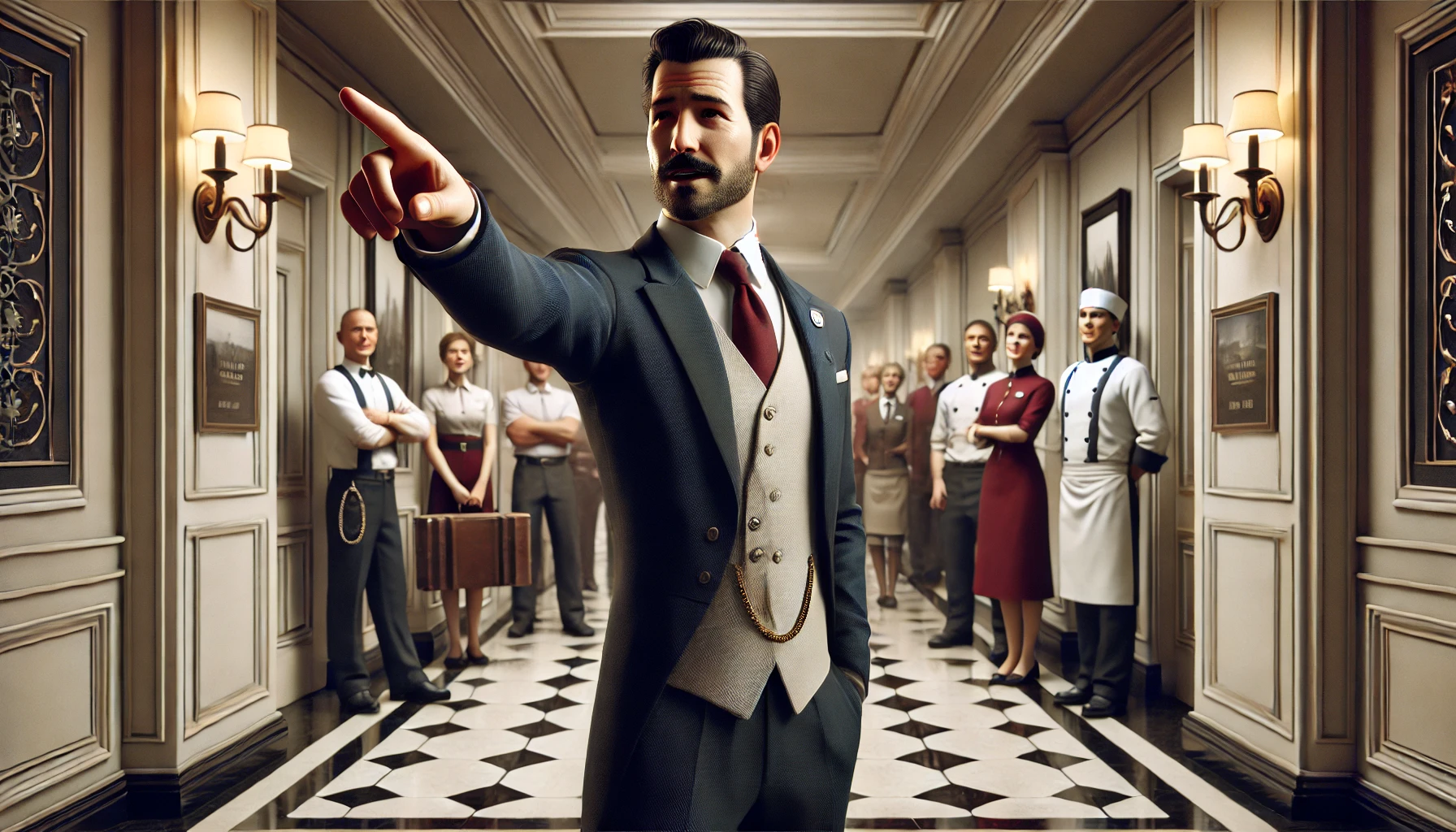
From the moment you walk through your hotel’s doors in the morning, every step, gesture and decision begins to weave a narrative in your team’s minds. As leaders, we often underestimate the intensity with which our actions are observed. It is not paranoia; it is simply reality. Teams look for guidance not only in words, but in behaviours—especially in the hotel sector, where the synchronicity between service and excellence is a constant dance. This multiplier effect of leadership can strengthen or fracture a hotel’s culture.
Imagine a guest complaining at the front desk about an air-conditioning issue. If you choose to step in personally with a calm attitude, offering immediate solutions and showing empathy, your team sees not only how the problem is resolved, but how you resolve it. That moment becomes a real-time masterclass in handling challenges. The impact? A cascade of similar behaviours among your staff, replicating your style and reinforcing your customer service philosophy.
Leadership is not a megaphone; it is an echo. Your decisions and reactions are not yours alone; they resonate and shape the standards that govern collective behaviour. If you celebrate team successes authentically, you foster an atmosphere of recognition and pride. But if you overlook achievements and focus solely on mistakes, you are also teaching what kind of culture you value, even if unintentionally. This is the power—and the responsibility—of leading.
In hospitality, a sector where details make the difference between a satisfied guest and a guest ambassador, organisational norms are crucial. The way we handle conflict, team meetings or even seemingly trivial decisions establishes our hotel’s “unwritten handbook”. And if we do not write it ourselves, someone else will, often with outcomes that are misaligned with our values.
So, how can we use this multiplier effect to our advantage? It is not about being perfect, but about being consistent. Every day offers an opportunity to show our team what truly matters: a passion for service, the ability to listen and the constant pursuit of improvement.
In hospitality, a sector where details make the difference between a satisfied guest and a guest ambassador, organisational norms are crucial. The way we handle conflict, team meetings or even seemingly trivial decisions establishes our hotel’s “unwritten handbook”. And if we do not write it ourselves, someone else will, often with outcomes that are misaligned with our values.
So, how can we use this multiplier effect to our advantage? It is not about being perfect, but about being consistent. Every day offers an opportunity to show our team what truly matters: a passion for service, the ability to listen and the constant pursuit of improvement.
Practical lessons for amplifying the multiplier effect
-
-
- Model the desired behaviour: consistency matters more than perfection. It is easy to say that punctuality is key, but if you arrive late to meetings, the real message you send is contradictory. Remember that actions speak louder than any speech. If you want staff to focus on the guest, first make sure you are present at key moments of the day, such as check-ins and check-outs, demonstrating that you value that interaction.
- Recognise achievements, however small. According to a Gallup study, employees who feel recognised are 27% more likely to report higher levels of productivity. Celebrating a positive TripAdvisor comment or a waiter’s extra effort builds trust and motivates others to strive for the same standard. That said, do it authentically; no one wants empty praise.
- Respond to conflict with solutions, not reactions. A common mistake in hotel management is to react impulsively to problems, especially under pressure. If a guest is dissatisfied, a calm, solution-oriented response not only resolves the situation but also teaches your team how to act in future cases. As a hospitality veteran once said: “In hospitality, we do not sell beds; we sell how we make people feel in them.”
- Foster a culture of continuous learning. When you attend workshops, read about trends or share new ideas yourself, you send a powerful message: there is always something new to learn. If you lead with curiosity, you will inspire the same enthusiasm in your team. As a bonus, you will avoid the dreaded phrase: “We have always done it this way.”
- Demonstrate resilience in difficult times. Crises are inevitable in the hotel sector, from power outages to pandemics. How you handle those moments of uncertainty defines not only the immediate outcome, but also your organisation’s cultural DNA. If you show calm, determination and transparency, your team will learn to face the unexpected with the same attitude.
- Lead by example when it comes to work-life balance. In a sector as demanding as hospitality, it is crucial to demonstrate that personal wellbeing is also a priority. If you encourage your team to rest and respect their days off, but you work 24/7, the message is diluted. Leading with humanity also means knowing when to switch off.
-
- Make purpose your compass. Every decision you make should reflect your hotel’s values and mission. Consistency builds trust, both within your team and among your guests.
- Listen more than you speak. Often, the best lesson you can teach is to set an example of listening carefully and acting accordingly. As leaders, we do not always have all the answers, and that is fine.
- Do not underestimate the impact of small actions. From saying good morning to the team to offering a sincere smile in stressful moments, these details add up and multiply in ways that may not be immediately apparent, but whose effect will be felt in the hotel’s culture and service.
Free Access+Continue with Google One Lead Hospitality account · no duplicate subscription identity
Use Google to create or recognise the same Lead Hospitality account and activate the free CRE Access+ level.