
When Respect Breaks Down: The Challenge of Upward Bullying in Hotels

Albert BarraAugust 10, 2024 · 3 min read
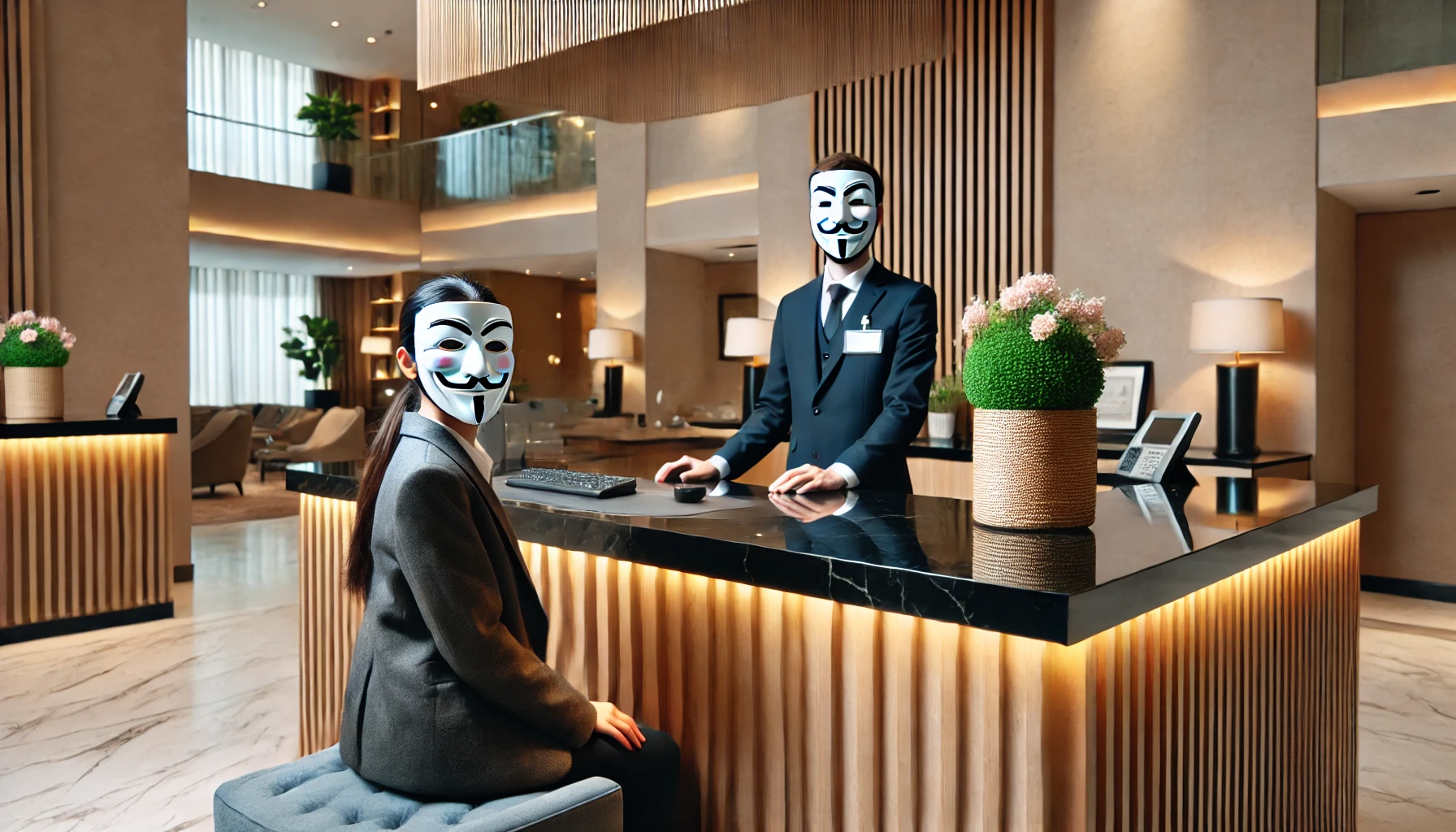

At times, we face situations that challenge traditional power and authority dynamics, such as when a subordinate, rather than collaborating, chooses to undermine their superior. This phenomenon, known as counterpower harassment, is a rarely discussed form of bullying, yet it can be deeply destructive both for the victim and for the hotel work environment.
The counterpower harassment is a dynamic in which lower-ranking employees engage in abusive behaviour towards their superiors, challenging the traditional notion that only those in positions of power can be harassers. In a hotel, this type of harassment can take many forms: from spreading malicious rumours and publicly challenging an area manager’s decisions to physically or verbally intimidating a shift supervisor. Although it is less common than downward harassment, its impact can be equally devastating, creating a toxic environment that affects not only the individual concerned but also the entire hotel team.
Imagine a scenario in which a receptionist systematically undermines the authority of the front office manager by spreading false information among staff or publicly questioning their operational decisions. These actions, although subtle, erode the manager’s credibility, creating a hostile work environment and damaging the cohesion of the front office team. Or consider a department head who uses passive-aggressive behaviour to intimidate the hotel director, “forgetting” important tasks, arriving late to critical meetings or making sarcastic comments in front of other employees. Such conduct undermines the superior’s morale and effectiveness and ultimately affects team performance and the guest experience.
The Impact of Upward Bullying on Hotel Organisational Culture
When upward bullying infiltrates a hotel’s organisational culture, the effects are profound and multifaceted. This type of bullying, in which lower-ranking employees harass their superiors, not only challenges traditional power dynamics but also has a destructive impact on team cohesion and morale, negatively affecting the service provided to guests and the hotel’s reputation.Undermining Respect and Trust
In any organisation, and even more so in a hotel, respect and trust are the pillars that support healthy, productive workplace relationships. When a subordinate harasses a superior, this foundation of mutual respect is broken, creating an environment in which the basic standards of coexistence are compromised. The perception that superiors can be harassed without consequences weakens authority and leadership, creating an atmosphere of mistrust and uncertainty. Employees may begin to question management’s ability to maintain order and respect in the workplace, which in turn encourages an environment where rules and hierarchies become blurred.