
Technology Can Open Doors, but It Is the Heart That Invites Guests In

Albert BarraNovember 19, 2024 · 6 min read
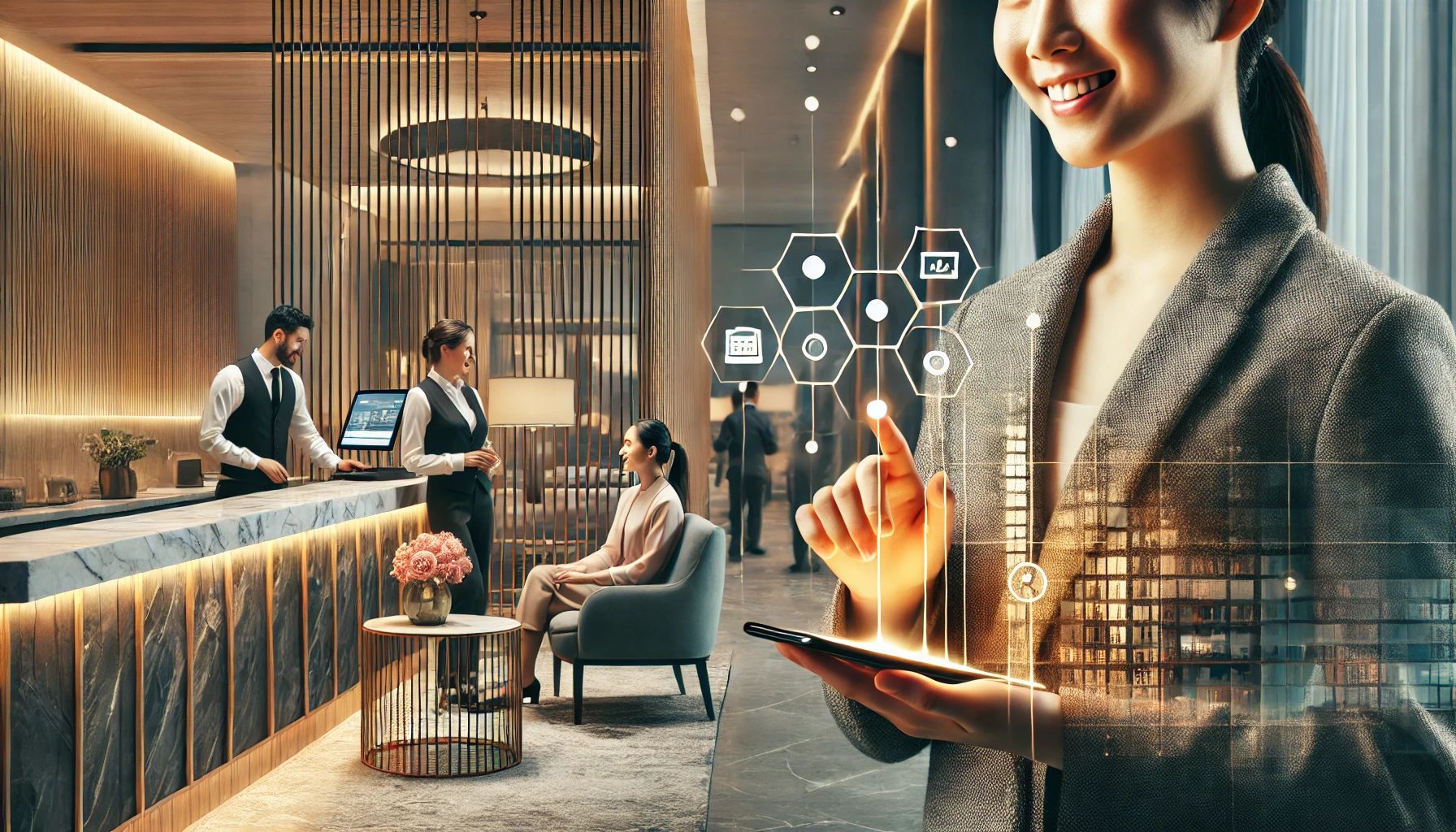
In a world where technology is advancing at breakneck speed, the hotel industry faces the challenge of maintaining authenticity in human connections. Digitalisation has transformed the way we interact, but we must not forget that genuine relationships lie at the heart of hospitality. According to a University of Oxford study, 70% of guests value human interaction more than technological amenities. This reminds us that, while technology is a powerful tool, it cannot replace the human touch.
Hospitality is an art built on empathy and an understanding of guest needs. In my experience, I have learned that a sincere smile and a warm greeting can make all the difference to the guest experience. Technology can streamline processes, but it is human connection that creates lasting memories. Technology can open doors, but it is the heart that invites people in.
In the digital age, it is crucial for hoteliers to strike a balance between technological innovation and maintaining authentic relationships. Automating services, such as digital check-in, can improve efficiency, but it should not replace personal contact. A study by Cornell University reveals that 65% of guests prefer to interact with hotel staff at least once during their stay.
To achieve this balance, it is essential for hoteliers to invest in staff training. Equipping employees to use technology effectively, without losing sight of the importance of human interaction, is fundamental. Training should focus on communication and empathy skills, ensuring that staff can connect with guests on a deeper level.
In addition, organisational culture plays a crucial role in fostering authentic connections. Encouraging a working environment in which open communication and mutual respect are valued can translate into better guest service. Employees who feel valued and heard are more likely to convey that same positive energy to guests.
Feedback is another valuable tool for strengthening human connections. Listening to guest opinions and acting accordingly not only improves service, but also demonstrates a genuine commitment to their satisfaction. Implementing satisfaction surveys and analysing feedback can provide valuable insights for improving the guest experience.
Throughout my career, I have observed that personalised details can have a significant impact on guest perception. A simple gesture, such as remembering a regular guest's name or preferences, can make them feel valued and appreciated. These details, though small, are what build lasting relationships.
Authenticity is the key to standing out in a saturated market. In a world where competition is fierce, being authentic can be the differentiating factor that attracts guests. Authenticity is reflected not only in guest service, but also in the hotel's brand. Communicating a genuine story and clear values can resonate with guests and create an emotional connection.
Finally, it is important to remember that human connections benefit not only guests, but also hotel staff. A working environment that values authentic relationships can increase job satisfaction and reduce staff turnover. Employees who feel connected to their colleagues and to the hotel's mission are more likely to deliver exceptional service.
In summary, while technology is a valuable tool in the hotel industry, we must not forget that human connections are the soul of hospitality. By investing in staff training, fostering a positive organisational culture and focusing on personalised details, hoteliers can create memorable experiences that resonate with guests and strengthen their loyalty.
In addition, organisational culture plays a crucial role in fostering authentic connections. Encouraging a working environment in which open communication and mutual respect are valued can translate into better guest service. Employees who feel valued and heard are more likely to convey that same positive energy to guests.
Feedback is another valuable tool for strengthening human connections. Listening to guest opinions and acting accordingly not only improves service, but also demonstrates a genuine commitment to their satisfaction. Implementing satisfaction surveys and analysing feedback can provide valuable insights for improving the guest experience.
Throughout my career, I have observed that personalised details can have a significant impact on guest perception. A simple gesture, such as remembering a regular guest's name or preferences, can make them feel valued and appreciated. These details, though small, are what build lasting relationships.
Authenticity is the key to standing out in a saturated market. In a world where competition is fierce, being authentic can be the differentiating factor that attracts guests. Authenticity is reflected not only in guest service, but also in the hotel's brand. Communicating a genuine story and clear values can resonate with guests and create an emotional connection.
Finally, it is important to remember that human connections benefit not only guests, but also hotel staff. A working environment that values authentic relationships can increase job satisfaction and reduce staff turnover. Employees who feel connected to their colleagues and to the hotel's mission are more likely to deliver exceptional service.
In summary, while technology is a valuable tool in the hotel industry, we must not forget that human connections are the soul of hospitality. By investing in staff training, fostering a positive organisational culture and focusing on personalised details, hoteliers can create memorable experiences that resonate with guests and strengthen their loyalty.