
Why Emotions Matter in the Guest Journey

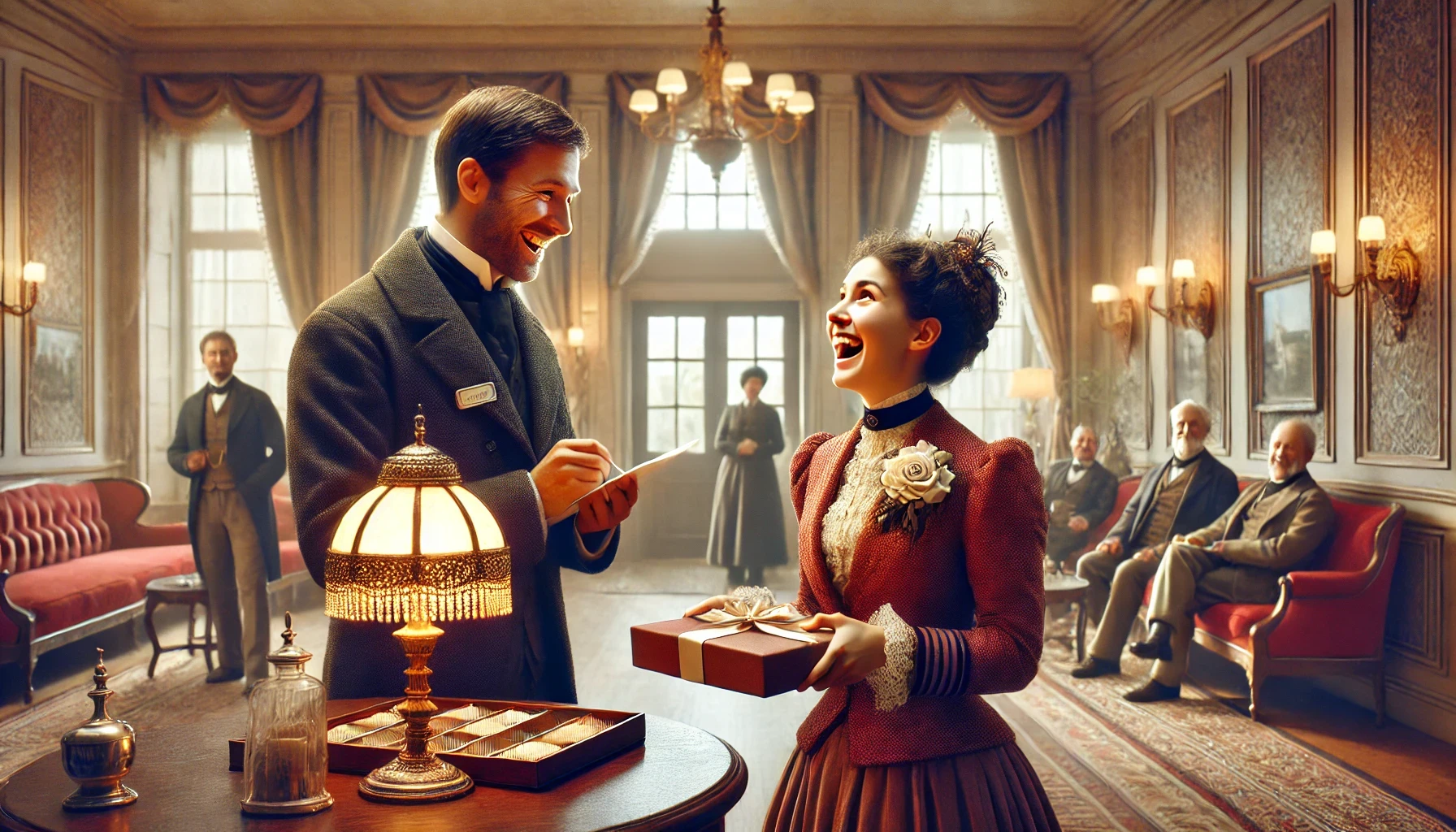
 Emotional impact can influence guest perception both positively and negatively. Small frustrations, such as a complicated booking process or a delay in room readiness, can quickly escalate into dissatisfaction when a guest arrives with high emotional expectations.
To minimise these points of friction, it is essential to design an emotional guest journey map that identifies every touchpoint and the potential emotions associated with it. A Qualtrics XM study indicates that 80% of customers have switched brands after a bad experience, reinforcing the importance of managing every interaction with empathy and proactivity.
Emotional impact can influence guest perception both positively and negatively. Small frustrations, such as a complicated booking process or a delay in room readiness, can quickly escalate into dissatisfaction when a guest arrives with high emotional expectations.
To minimise these points of friction, it is essential to design an emotional guest journey map that identifies every touchpoint and the potential emotions associated with it. A Qualtrics XM study indicates that 80% of customers have switched brands after a bad experience, reinforcing the importance of managing every interaction with empathy and proactivity.
Designing an Exceptional Emotional Guest Journey in a Hotel
A successful emotional journey is built by identifying and managing the key moments in the guest experience. Here are some practical strategies to achieve this:1. Creating a Powerful First Impression
[caption id="attachment_228145" align="alignright" width="700"] RECOMMENDED READING[/caption]
The first emotional connection with a guest takes place before they arrive. The booking and confirmation experience should be warm, clear and build anticipation for the trip.
-
-
- Personalise pre-check-in communications, including tailored recommendations.
- Use positive, welcoming language in all booking confirmations.
- Ensure arrival is seamless, with check-in free from queues and rigid procedures.
-
Fact: A PwC report shows that 73% of customers value experience more highly than price when choosing a hospitality service.
2. The Importance of Sensory Details
The hotel’s physical environment directly influences guest emotions. The combination of visual, auditory and olfactory stimuli can reinforce the emotional connection.
-
-
- Use signature fragrances in the lobby or key spaces.
- Pay attention to lighting and background music to create feelings of calm and comfort.
- Details such as fresh flowers, local art or books in communal areas add authenticity and warmth.
-
Fact: According to a Sensory Logic study, 70% of purchase decisions are influenced by sensory and emotional factors.
3. Humanising the Experience: Empathy and Genuine Connection
The human factor is at the heart of emotional hospitality. A team trained to recognise and respond to guest emotions makes all the difference.
-
-
- Implement emotional intelligence training for staff, focused on active listening and empathy.
- Encourage personalised greetings, addressing guests by name whenever possible.
- Empower staff to act autonomously when they identify a key emotional moment, such as celebrating an anniversary without requiring prior approval.
-
Fact: According to Gallup, customers who perceive a high level of emotional care demonstrate 23% greater brand loyalty.



My published books
4. Managing Frustrations and Critical Moments
Not all emotions are positive. Complaints and mistakes are inevitable, but how they are handled can turn a poor experience into a memorable moment.

-
-
- Train staff to resolve conflicts with empathy, prioritising understanding over defensiveness.
- Use phrases such as "I’m sorry you feel this way; please allow me to resolve it." rather than defensive responses.
- Offer emotionally meaningful recovery gestures, such as discounts or complimentary services where appropriate.
-
Fact: According to HubSpot, 91% of dissatisfied customers whose issues are handled proactively are willing to return.
5. The Surprise Factor: Exceeding Expectations
Positively surprising a guest is one of the most powerful ways to create memorable emotions.
-
-
- Leave personalised notes or unexpected amenities in the room.
- Offer an occasional upgrade or a small themed touch for the season or holiday.
- Surprise guests with unannounced experiences, such as an impromptu wine tasting or a local performance in the lounge.
-
Fact: According to Forbes, 84% of customers say that an unexpected, positive experience improves their perception of a brand.
Emotions are not a secondary factor in hospitality; they are the core of the experience. From the first interaction to departure, every emotionally positive encounter is an opportunity to transform a guest into a brand ambassador. By understanding emotional triggers and designing experiences that prioritise human connection, it is possible to achieve something far more powerful than a perfect stay: to create an emotional memory, a lasting bond and a desire to return. Because, at the end of the day, guests are not simply looking for a place to sleep; they are looking for a place where they feel important, understood and, above all, welcome.This article ends here. The archive does not.
Lead Hospitality brings together 1200 English articles published since 2018: years of experiences, decisions and lessons you can keep exploring.
What would you like to explore next?
Choose a direction and keep reading around what you want to solve, learn or challenge.