
Emotional Pricing in Hotels: Beyond the Room Rate and Guest Perception

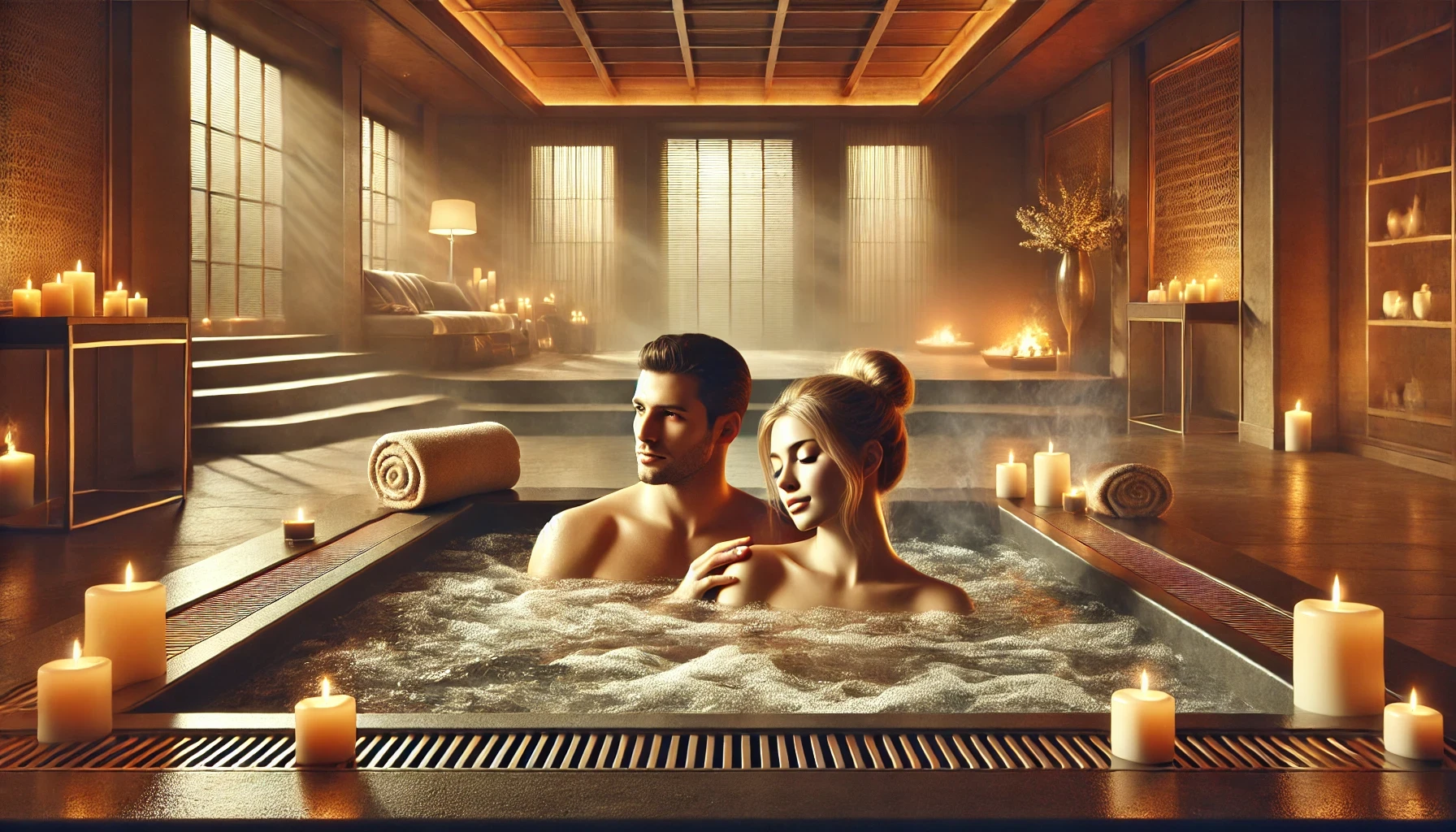
 A room rate is not just a number; it is a powerful message that communicates the type of experience a guest can expect. A hotel may choose to sell a stay through aggressive discounts or focus on conveying exclusivity and luxury. In both cases, guest perception varies dramatically.
Here are some reasons why emotional pricing is fundamental to hotel revenue management strategy:
A room rate is not just a number; it is a powerful message that communicates the type of experience a guest can expect. A hotel may choose to sell a stay through aggressive discounts or focus on conveying exclusivity and luxury. In both cases, guest perception varies dramatically.
Here are some reasons why emotional pricing is fundamental to hotel revenue management strategy:
- Guests do not always choose the cheapest option, but rather the one that delivers greater emotional value.
- Price is a symbol of status and differentiation, especially in luxury segments.
- The way price is communicated can have more influence than the number itself, completely changing the guest’s perception of the offer.
1. Price as a Perception of Value, Not Simply a Cost
Guests do not simply pay for a bed, but for a complete experience. A Cornell University study notes that consumers perceive a higher price as a guarantee of greater quality, even when product features are identical. In this regard:
-
- A hotel that communicates exclusivity can justify higher rates, while one that only highlights its low price will attract more cost-sensitive guests.
- Context and narrative matter: A spa in a luxury hotel does not sell “a 60-minute massage for €100”, but “a wellbeing experience designed to rejuvenate your body and mind”.
- The design and presentation of the rate matter: Showing a price as a cold, simple number is not the same as framing it within a story that connects emotionally with the guest.
2. Pricing Psychology: How to Present Rates Strategically
The way a price is displayed has a direct impact on guest perception. Some key strategies include:
-
- The anchoring effect: If a €500 premium room is shown first, followed by a €250 standard room, the latter will seem like a bargain. But if we only show the entry-level standard room, its perceived value will be lower.
- Price rounding: Studies suggest that rounded prices (€300 rather than €299) are perceived as more honest and more aligned with emotional purchases.
- Partitioned pricing: Rather than showing “€450 per night”, a hotel can break it down as “€350 for the stay + €100 in credits for exclusive experiences”, making the total price seem more justified.
3. Experiences That Justify Higher Rates: Connecting with the Guest
Hotels applying an emotional pricing strategy must focus on delivering memorable experiences, where the rate ceases to be a concern and becomes a source of pride for the guest. How can this be achieved?
Books to run a hotel with judgement
Written from the general manager’s chair: technology, guest experience, leadership and management.
 The Intelligent HotelData, Artificial Intelligence and a New Way to Run Hotels
 Directing HotelsWhat Nobody Tells You Before You Sit in the General Manager’s Chair
 The Guest JourneyDesigning Customer Experience Across the Entire Hotel Journey
 Leadership and High-Performance Team ManagementPeople, Experiences and Results in Today\\\'s Hospitality
-
- Brand storytelling: A boutique hotel can communicate the story of its location, architecture or sustainability philosophy, creating added value that goes beyond the cost of the room.
- Personalisation of the stay: A guest who receives personalised attention feels they are getting more for their money, making the rate feel like an investment in their wellbeing.
- Complementary experiences that elevate the value proposition: From a private wine tasting to an exclusive spa session, details make guests feel they are receiving more than they paid for.
4. Communicating Price: The Key to Avoiding the Perception of Being Expensive
A high rate is not a problem if the guest feels it is worth it. To achieve this, the way price is communicated is crucial:
-
- Avoid talking only about numbers; highlight emotional benefits instead.
- Use testimonials and success stories from satisfied guests.
- Show intelligent comparisons: Rather than merely justifying the price, highlight what the rate includes compared with other options in the market.
This article ends here. The archive does not.
Lead Hospitality brings together 1200 English articles published since 2018: years of experiences, decisions and lessons you can keep exploring.
What would you like to explore next?
Choose a direction and keep reading around what you want to solve, learn or challenge.