
Winston Churchill’s Leadership Lessons for Hospitality Professionals

Albert BarraSeptember 18, 2023 · 4 min read
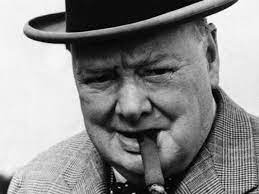

When it comes to leadership, Winston Churchill is a figure who cannot be overlooked. Born in 1874, Churchill led Great Britain through one of the most difficult periods in its history: the Second World War. His quote, "Success is not final, failure is not fatal: what counts is the courage to carry on", embodies the essence of effective leadership.
[tutor_course id=5574]
Churchill’s leadership was not one-dimensional. He was not only a wartime strategist, but also a leader who could connect with his people, making them feel valued and motivated. These skills are critical in any industry, and especially in hospitality, where every detail matters when creating unforgettable guest experiences.
The Importance of Authentic Leadership
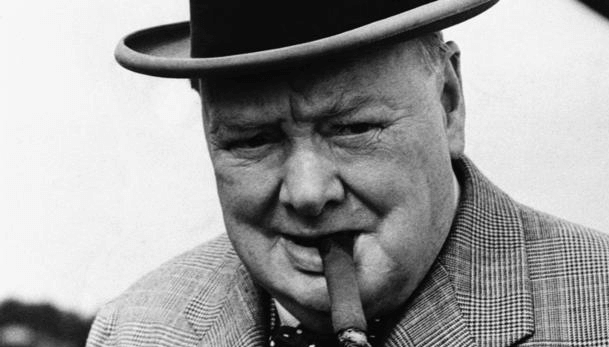
Churchill said, "Courage is the first of human qualities because it guarantees all the others". An authentic leader is not someone without flaws, but someone who faces them courageously and seeks continuous improvement. Authentic leadership is grounded in authenticity—that is, being genuine and honest with oneself and others. This type of leadership is based on personal integrity and consistency between what one thinks, says and does. In this regard, Winston Churchill, one of the most recognised leaders of the 20th century, stated that courage is the first of human qualities because it guarantees all the others. This quote reflects the importance of facing our fears and challenges in order to develop our capabilities and strengths. An authentic leader is not someone who has no flaws or weaknesses. On the contrary, they recognise their limitations and work constantly to overcome them. This leader does not hide behind a mask of perfection, but shows their humanity, accepting their shortcomings and always seeking to improve. Furthermore, authentic leadership involves having a clear vision and being able to inspire and motivate others to follow it as well. This vision must be based on strong values and principles that guide the actions and decisions of both the leader and the team. An authentic leader is also able to build trusting relationships with their team, based on respect and empathy. This leader is concerned not only with results, but also with the wellbeing and development of their team. In short, the importance of authentic leadership lies in its ability to inspire, motivate and guide others through honesty, integrity and courage. This type of leadership builds trust, commitment and loyalty within the team, all of which are essential to achieving the proposed objectives and goals.Characteristics of an Authentic Leader
- Self-awareness: They know their strengths and weaknesses.
- Empathy: They put themselves in the other person’s shoes, whether employees or guests.
- Integrity: They keep their word and align their actions with their values.
Statistics Supporting the Importance of Leadership in Hospitality
According to various studies, nearly 60% of employees in the hospitality industry believe that effective leadership is crucial to their job satisfaction. In addition, hotels with highly effective leaders have turnover rates that are 25% lower and guest satisfaction increases of up to 30%.Organisational Culture and Its Influence on Leadership
Churchill said: "We do not form habits; habits form us". Organisational culture is like a habit for a company. It affects not only how employees interact with one another, but also how they lead.How to Build a Strong Organisational Culture
- Clarity of Vision: Everyone in the company must understand its mission and how they contribute to it.
- Open Communication: Foster an environment where people feel comfortable sharing ideas and feedback.
- Recognition and Rewards: A system that values employees’ performance and effort.