
Lean Thinking in Hospitality: Why Hotels Should Adopt It

albert@lead-hospitality.comAugust 18, 2026 · 6 min read
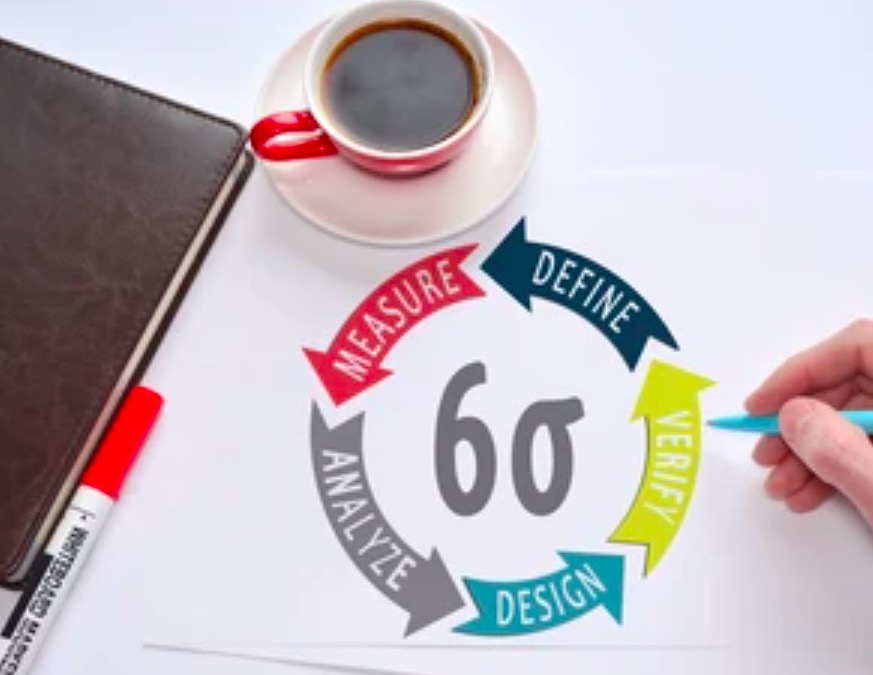

Hotel companies, large and small, are looking for ways to keep costs down and become more efficient simply to stay afloat in this challenging economy. Reducing labour costs has been a popular topic, but it is a risky move in the hospitality industry, where service can be compromised by cost-cutting. Service quality is under greater scrutiny from guests in hospitality than ever before, particularly because luxury-segment guests are fewer in number and often spend less.
Despite economic conditions, hospitality businesses must be able to reduce costs while continuing to offer a quality product.
One proven and effective way to do this in other industries has been to adopt Lean Thinking principles, which have delivered notable change. Many companies considered "Lean" are performing well in the current economy. Despite this, few hospitality businesses have adopted Lean Thinking.
The concept of Lean Thinking was developed in the automotive sector in the 1950s through Toyota's pioneering work in Japan. Lean Thinking can be described as the pursuit of perfection through constantly reviewing processes, reducing complexity that adds no value and therefore eliminating "waste".
Lean is based on operational efficiency and can best be described for our industry as follows:
This waste includes any use of resources such as cost, time, movement, labour, material costs, energy and water.
Without placing too much emphasis on terminology, tools and techniques, Lean is, above all, about improving service to customers in order to achieve greater returns. The most useful principles are:
The concept of Lean Thinking was developed in the automotive sector in the 1950s through Toyota's pioneering work in Japan. Lean Thinking can be described as the pursuit of perfection through constantly reviewing processes, reducing complexity that adds no value and therefore eliminating "waste".
Lean is based on operational efficiency and can best be described for our industry as follows:
This waste includes any use of resources such as cost, time, movement, labour, material costs, energy and water.
Without placing too much emphasis on terminology, tools and techniques, Lean is, above all, about improving service to customers in order to achieve greater returns. The most useful principles are:
- Understand exactly what your customer wants (not what your bosses want!)
- Understand how well you are meeting that demand
- Eliminate unnecessary forms of waste so that your processes are efficient.
Some examples
The hotel room cleaning process is an ideal candidate for Lean, which could easily streamline the flow from Guest 1 checking out to Guest 2 checking in. Reducing this time could lead to lower costs, higher quality and greater guest satisfaction. . Look at beverage and food costs: consider how to creatively reduce expensive menu items by buying more seasonal produce and being more creative in menu development with savings in mind. Another appropriate area is labour maximisation: staff are already in place and employed, mostly full-time. The focus should be on cross-training to enable employees to perform more than one task. Also take a close look at costly outsourced services, such as public relations. Rather than hiring an expensive PR firm, seek out independent specialists who can deliver quality campaigns at a much lower cost and when needed.Why the reluctance to implement a Lean approach?
So why is 'Lean Thinking' not more widespread in the hospitality industry? Hospitality managers do not necessarily see the need to analyse statistics and cause-and-effect relationships. They may have managed operations for years and served customers in the way they believe has proven most useful. Lean may therefore pose a threat to their way of doing things and seem merely like a modern, rather than sustainable, approach. Another possible reason for reluctance to use Six Sigma and Lean in hospitality is the need for commitment and buy-in at every level of the organisation. Participation at every level is important. In many cases, process redesigns can streamline a process, resulting in staff redundancies. This can make employees reluctant to participate. While hospitality businesses see the benefits of Lean, they may be put off by the substantial time and financial investment required to fully implement its processes. The high turnover rate of employees in hospitality organisations could also be considered a risk to successful implementation. Hotels, especially smaller seasonal properties, constantly struggle with retaining quality staff. The additional cost of training new employees in Lean principles may be seen as a burden that leadership does not wish to take on.A Lean mindset
For Lean to succeed, it must not be a stand-alone project within an organisation, but one that complements employees' day-to-day responsibilities. To achieve this, employees at all levels must be trained in the principles, tools and their roles. During the sustainment phase, management and leaders must maintain what has been implemented. Ideally, the sustainment phase is where the organisation's cultural shift occurs as results become visible. Creating a culture of collaboration and participation is key to successful implementation and can be hindered by more controlling management styles. Lean Thinking becomes second nature to all employees, across every department, if everyone drives and supports it. In some organisations, managers are not accustomed to seeking feedback and asking their subordinates for input. Lean thrives on obtaining feedback and advice from the bottom up. It is easy to engage frontline staff once they understand the principles, and the best way to introduce them is to have them analyse their own operation. Managers are more difficult to engage, as it is their processes that are exposed and then modified. They may need to shift into a support role, which is not an easy transition for traditional command-and-control types. Essentially, staff must be empowered to make decisions about service delivery at the point of demand. Managers' roles then become more about how they remove barriers so their staff can deliver good service, both internally and externally. The key question for beginning Lean Thinking practice is:- How can you redesign your operations to better meet customers' real needs?
- Which elements of our operation detract from the quality we want to offer while increasing costs?

Access depends on the subscription level assigned to this content.