
The Mindset Shift Redefining Hospitality: From Efficiency to Purpose


For years, we believed that success in hospitality depended on operational precision, cost control, standardisation and discipline. We were watchmakers, adjusting every component to ensure everything ran flawlessly. But the world changed. The guest changed. And we had to change too.
Today, excellence is no longer measured solely by efficiency, but by our ability to adapt, learn and inspire our teams to give their very best. Transformation does not begin with processes: it begins with mindset. And that mindset shift—that transition from rigidity to agility—is what is redefining modern hospitality.
I have seen entire teams reinvent themselves once they understood that “agility” does not mean moving faster, but thinking better. That leadership is not about control, but about unlocking talent. That innovation does not emerge from a master plan, but from the permission to experiment, fail and learn. This is the essence of Agile and Lean thinking applied to our sector: less hierarchy, more purpose; fewer orders, more collaboration; less fear of mistakes, more continuous learning.
And yes, changing a hotel’s culture is far more difficult than changing its facilities. It requires the courage to challenge old habits and the humility to recognise that not all the answers lie with management. In an industry as human as ours, transformation begins when we stop demanding obedience and start inviting participation.
I have learned that a mindset shift cannot be imposed through a manual: it spreads. It happens when a receptionist suggests an improvement and is heard; when a chef proposes a new way to organise the mise en place and it is tested; when maintenance sits at the same table as marketing because everyone shares a common goal: delivering an exceptional experience.
Mindset Change and Agile Culture in Hospitality
Agile culture was not born in hotels, but it is perfectly suited to their nature: multidisciplinary teams, direct guest contact and a constant need to adapt. In traditional hospitality, decisions tended to move up a pyramid; in Agile hospitality, they flow through a network.
An agile team does not wait for instructions: it self-organises, prioritises, tests, learns and tries again. Instead of endless weekly reports, there are short, clear, results-driven meetings. Instead of “departments”, there are “value teams” that think about the guest journey from beginning to end.
The deepest change is not technical; it is cultural. It means moving from asking, “Who is to blame?” to “What can we learn?” It means fostering honest communication where everyone can speak, even when what they say is uncomfortable. It means the general manager stops being the judge and becomes the facilitator.
Because an Agile hotel is not one that works harder, but one that learns faster.

Stop managing isolated systems. Start managing the whole hotel.
HotelGEX connects guests, operations, Revenue, F&B, Groups & Events and Management into one intelligent hotel context — so every decision starts with a clearer picture.
Lean thinking, meanwhile, reminds us of something essential: anything that does not add value for the guest is waste. Duplicated processes, unnecessary approvals, tasks no one understands but everyone repeats… when we identify and eliminate them, we gain not only efficiency, but energy.
Every minute we save on bureaucracy is another minute to connect with people: our guests and our teams.
In practice, this translates into several simple yet powerful principles:
Radical transparency: everyone must know where we are going and why.
Autonomy with accountability: each person owns their impact.
Continuous iteration: nothing is perfected on paper; it is improved through action.
Shared learning: every mistake becomes collective knowledge.
These values create a culture in which teams feel heard, leaders become more human and purpose becomes tangible: serving better, learning more, growing together.
From Culture to Action: Agile and Lean Frameworks Across Hotel Departments
Bringing agility from concept to practice requires a method. It is not enough to say, “Let’s be Agile”: we need to make it visible.
At the front desk, for example, teams can apply Scrum: holding five-minute daily meetings to review the day’s incidents, tasks and improvements. It is remarkable how such a simple practice can reduce errors and improve coordination.

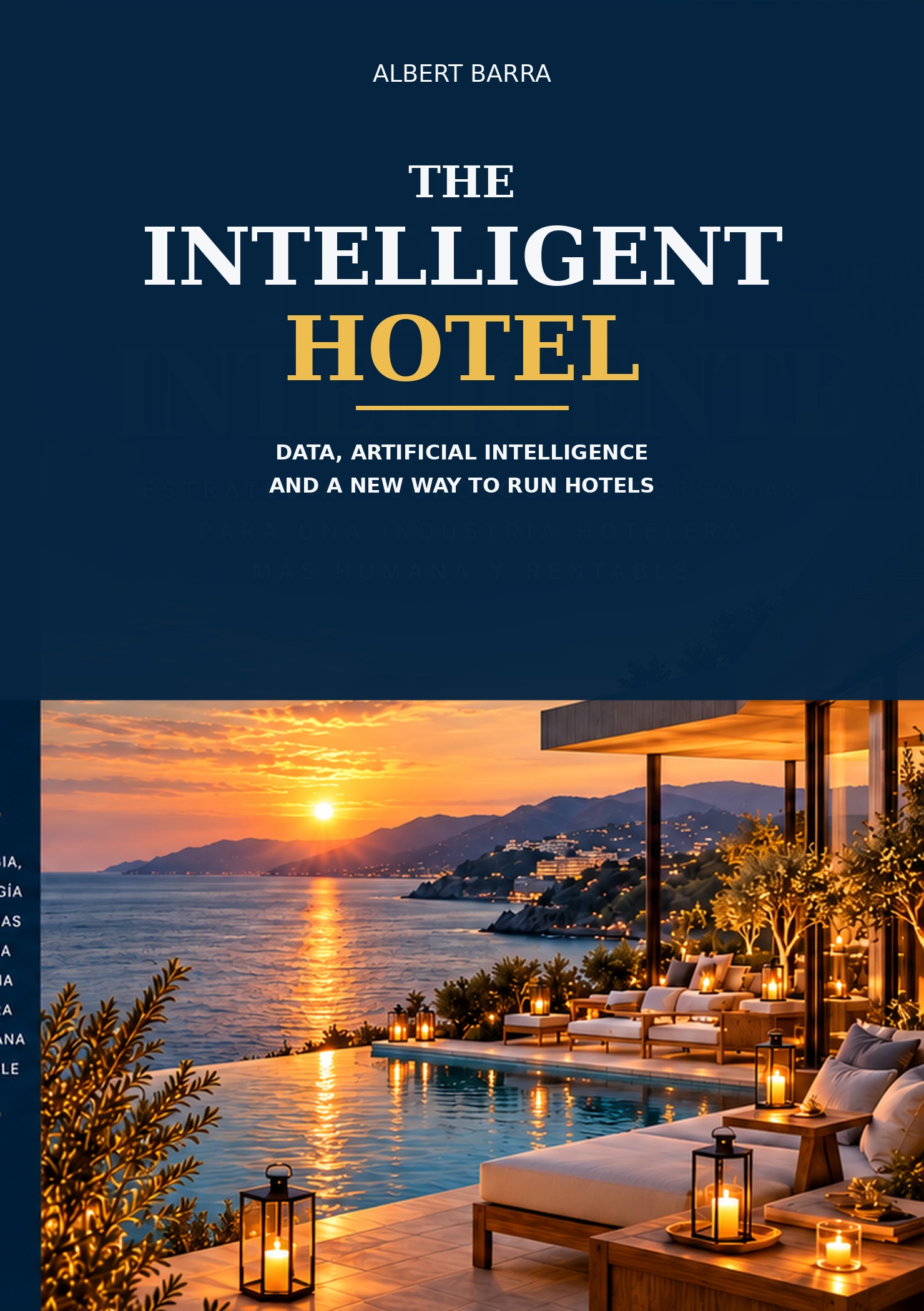
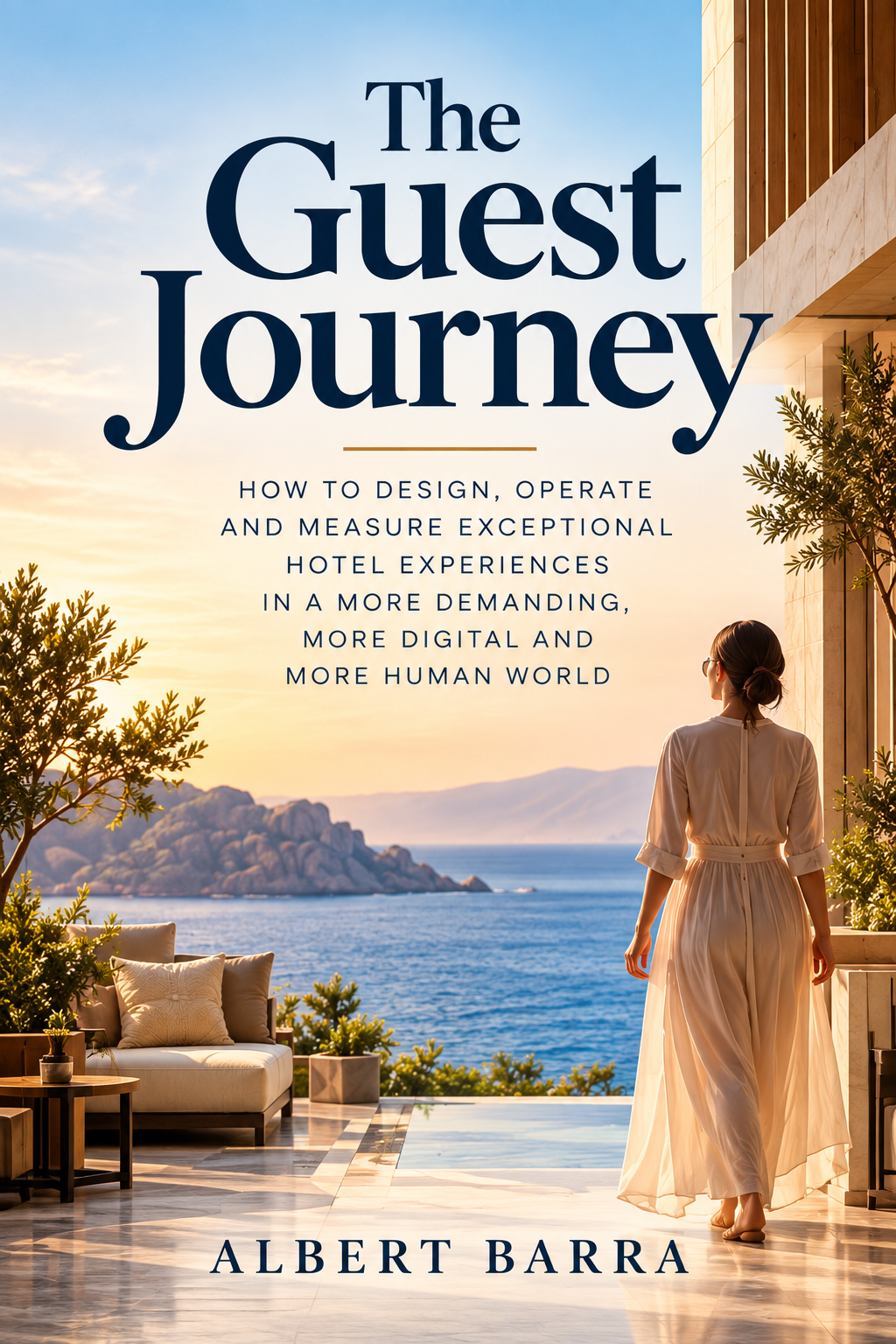
My published books
In the kitchen and restaurant, Lean thinking comes to life whenever we analyse the service flow, eliminate unnecessary waiting times or streamline communication between front and back of house. I have seen entire brigades transform their working environment simply by using visual boards and holding 10-minute meetings at the end of each shift to review what worked and what did not.
In maintenance, Kanban becomes a formidable ally: visually prioritising tasks, reducing bottlenecks and anticipating issues prevents emergencies and improves operational efficiency.
Even in housekeeping, the principles of continuous improvement make it possible to redesign cleaning and communication processes that reduce stress and increase team satisfaction. And when a housekeeping department feels heard, the whole hotel shines differently.
These methodologies are not a trend; they are a language of collaboration. They make the invisible visible, give structure to learning and turn improvement into a daily routine. And when the entire organisation works under the same philosophy—listen, experiment, learn—the result is felt in every guest interaction.
The greatest change lies not in processes, but in conversations. In how we speak to one another, how we ask for help, how we recognise what has been done well. Agile culture is not a technique: it is a way of being in the world, of serving with purpose.
That is why, if I had to offer three pieces of advice to anyone wishing to begin this journey, they would be these:
- First, start small, but start now. Do not wait until everything is fully designed. Test it in one area, measure, learn, adjust and expand.
- Second, replace meetings with meaningful conversations. Agile leadership does not give speeches; it asks questions.
- And third, celebrate progress, not perfection. Every improvement is a shared victory, one more step towards a more human, more mindful and more vibrant hospitality industry.
Because ultimately, true transformation lies not in how we work, but in why we do it. And when that “why” is to serve with purpose, efficiency follows naturally.
However, transforming a hotel does not mean applying a methodology; it means transforming the way we think. Teams are not motivated by having more tasks, but by having a clear purpose. When everyone understands why they do what they do, every action gains meaning. Continuous improvement becomes natural, not imposed. And service ceases to be a job and becomes a shared experience.
The real challenge of an Agile Lean transformation lies not in boards or daily meetings, but in trust. It lies in no longer checking every step someone else takes and beginning to trust that each person will do the right thing because they understand where we are going. Trust is the invisible cement of any agile culture, and when it is cultivated, teams flourish with a new energy that guests perceive without a word needing to be said.
And ultimately, what inspires me most is seeing how change becomes contagious. An improvement at the front desk inspires another in the kitchen, a gesture in housekeeping sparks an idea in maintenance, and little by little the entire hotel breathes differently. That is the true magic of a mindset shift: when excellence no longer depends on management and becomes a collective attitude. When purpose ceases to be a slogan and becomes the way we work, serve and live hospitality.
This article ends here. The archive does not.
Lead Hospitality brings together 1200 English articles published since 2018: years of experiences, decisions and lessons you can keep exploring.
What would you like to explore next?
Choose a direction and keep reading around what you want to solve, learn or challenge.