
What Millennials and Gen Z Expect from Hotel Leaders: Transparency, Listening and Purpose



For years, I have observed how the hospitality industry has consistently reinvented itself in the face of economic crises, technological disruption and social change. But nothing has transformed the internal dynamics of teams as profoundly as the arrival of new generations at the operational heart of our hotels. Millennials and Generation Z have not only changed the way we work; they have redefined what it means to lead people.
Today, they are not looking for a boss who gives orders, but for a mentor who inspires them, listens to them and helps them connect their daily work with a greater purpose. In my experience, this has forced us to rethink not only human resources policies, but the very essence of hotel leadership.
I have learned that leading these generations requires more than empathy: it demands radical authenticity. They spot inconsistency with surgical precision. If you ask for commitment without offering meaning, they disengage. If you preach values without living by them, they leave. And they do so quietly, without resentment, but certain that the world offers more options than rigid management can imagine.
The work culture we inherited—based on hierarchy, control and obedience—no longer motivates them. What once ensured discipline now creates disengagement. These young professionals do not reject authority; they simply redefine it. For them, respect cannot be imposed; it must be earned. And it is earned through consistency, transparency and the ability to create an environment where everyone’s voice matters.
I have seen department heads lose their most promising talent not because of a lack of incentives, but because of excessive rigidity. And I have seen unsung leaders—receptionists, waiters or technicians—inspire an entire team simply through their ability to listen, recognise and support.
New Leadership Codes in Hospitality
Recent hotel management studies agree that Millennials and Gen Z place greater value on how they are led than on what they are asked to do. In this new context, leadership is built on three essential pillars:
Genuine transparency: it is not enough to communicate; information and context must be shared. These generations want to know why decisions are made, how they affect their environment and how they can take part. A hotel manager who communicates clearly builds trust; one who withholds information creates distance.
Active, two-way listening: the new generation has no patience for monologues. They want an ongoing dialogue in which their ideas are heard and valued, even when they are not implemented. In a Deloitte study (2024), 74% of young employees stated that being able to express their views freely directly influences their decision to remain with a company.
Meaning and purpose: having a job is no longer enough; they want to make an impact. They seek hotels that embody tangible values—sustainability, equality, wellbeing and consistency—and leaders who live those values every day. When they feel their efforts contribute to something greater than monthly revenue, their commitment multiplies.
In practice, this requires hotel managers to rethink traditional management models. Rather than imposing tasks, we need to provide context and autonomy. Rather than scrutinising every detail, we need to trust and support. Rather than correcting mistakes, we need to celebrate learning.
And above all, we must humanise authority. Authority no longer comes from a title, but from setting an example. I saw this in a moment as simple as it was decisive: after an exhausting shift, a young waiter told me, “I like the way you work because it shows that you get tired too.” In that instant, I understood that, for them, leadership is measured in empathy.
An Inspiring Environment: Culture, Flexibility and Growth
Contemporary leadership in the hospitality industry must create environments in which people can thrive. And the new generations are very clear about what they want:
They seek balance. They do not want to choose between living and working; they want to do both with purpose.
They value flexibility. It is not laziness; it is adaptive intelligence. For them, productivity is measured not in hours, but in impact.
They need continuous feedback. Not to be assessed, but to know they are growing.
Books to run a hotel with judgement
Written from the general manager’s chair: technology, guest experience, leadership and management.
 Directing HotelsWhat Nobody Tells You Before You Sit in the General Manager’s Chair
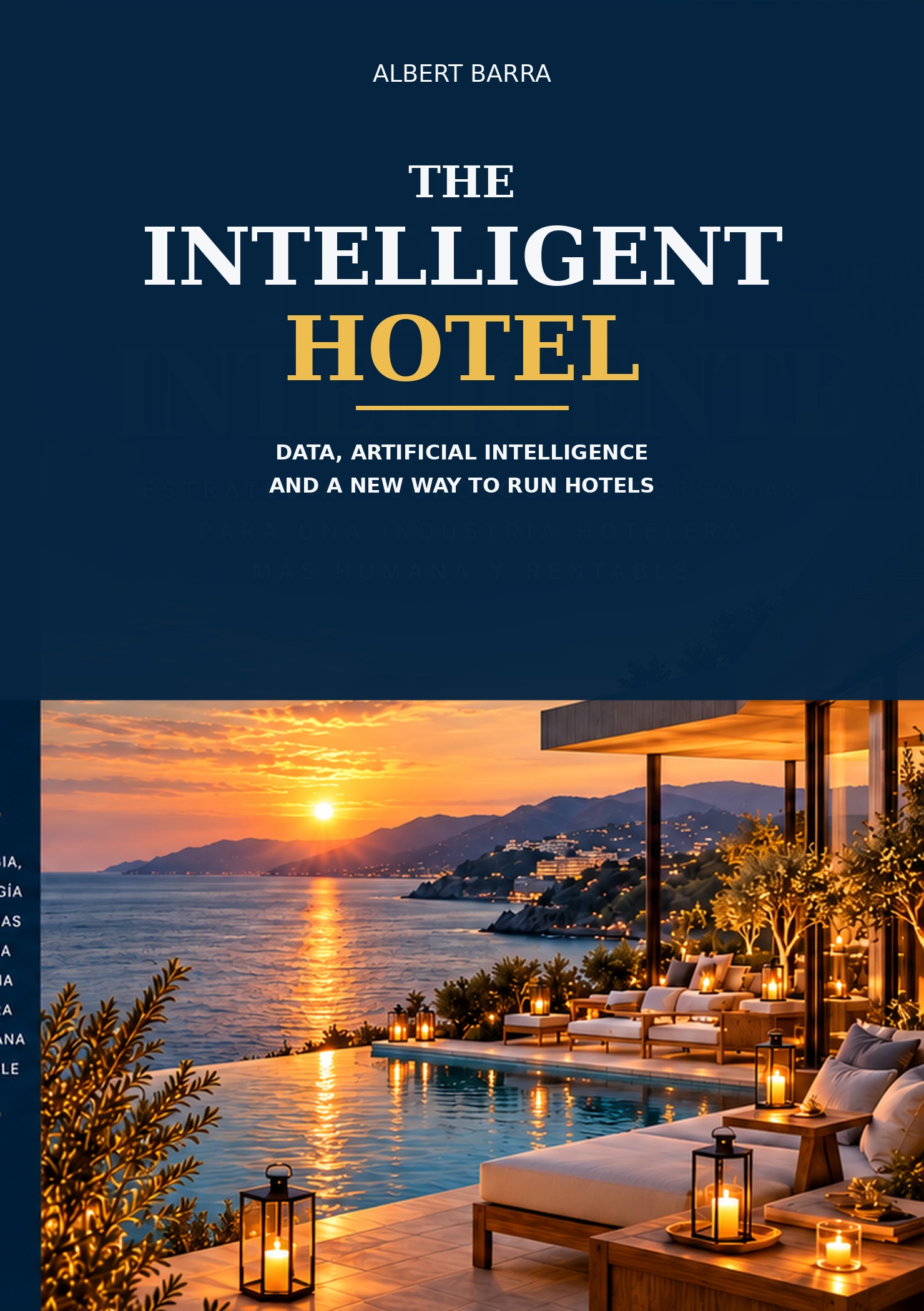 The Intelligent HotelData, Artificial Intelligence and a New Way to Run Hotels
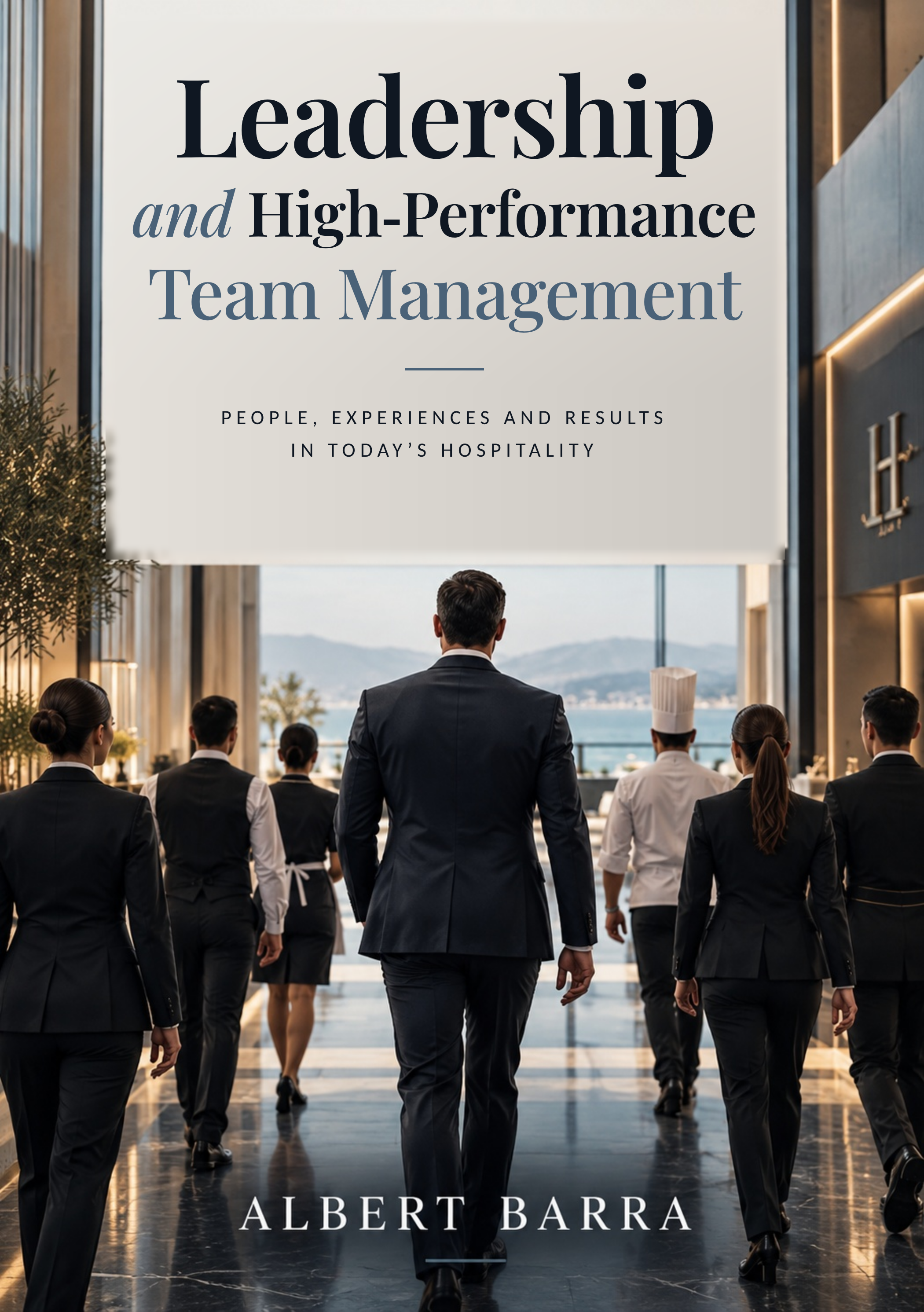 Leadership and High-Performance Team ManagementPeople, Experiences and Results in Today\\\'s Hospitality
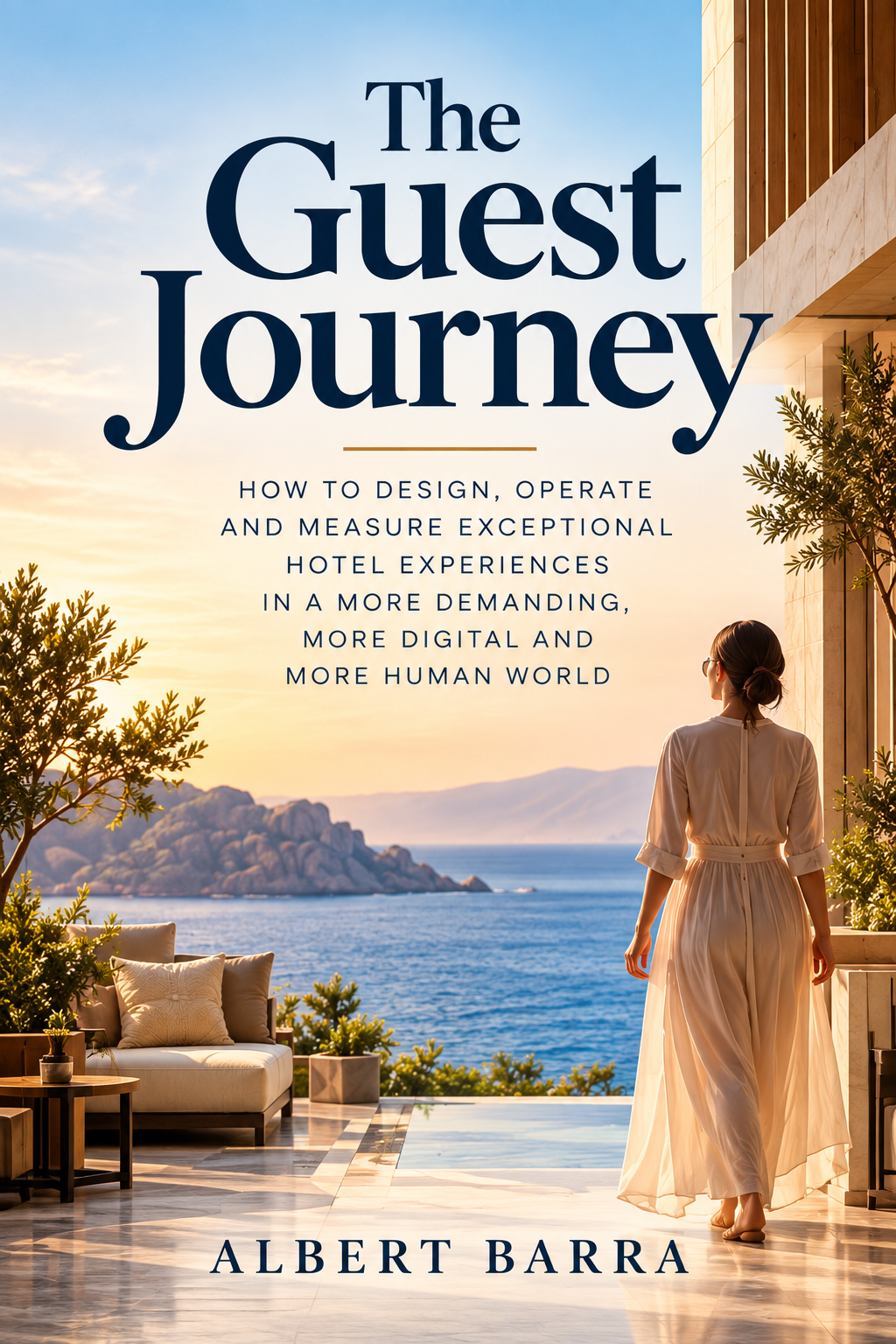 The Guest JourneyDesigning Customer Experience Across the Entire Hotel Journey
In a Hospitality Net study, more than 60% of Gen Z workers said that a lack of timely feedback makes them feel disconnected. By contrast, leadership that offers constructive feedback creates emotional engagement, and that engagement translates into better guest experiences.
That is why I insist that modern leadership is not just a skill; it is a form of internal hospitality. Leading in a hotel also means welcoming those who work there.
We must offer our teams the same respect we give our guests. Listening to their concerns, recognising their efforts and providing them with development pathways is a way of caring for the soul of the hotel. Because ultimately, a motivated team does not merely perform tasks: it creates emotions, and those emotions are what guests perceive without anyone having to name them.
This article ends here. The archive does not.
Lead Hospitality brings together 1200 English articles published since 2018: years of experiences, decisions and lessons you can keep exploring.
What would you like to explore next?
Choose a direction and keep reading around what you want to solve, learn or challenge.