
From Booking to Post-Stay: How AI Optimises the Guest Journey

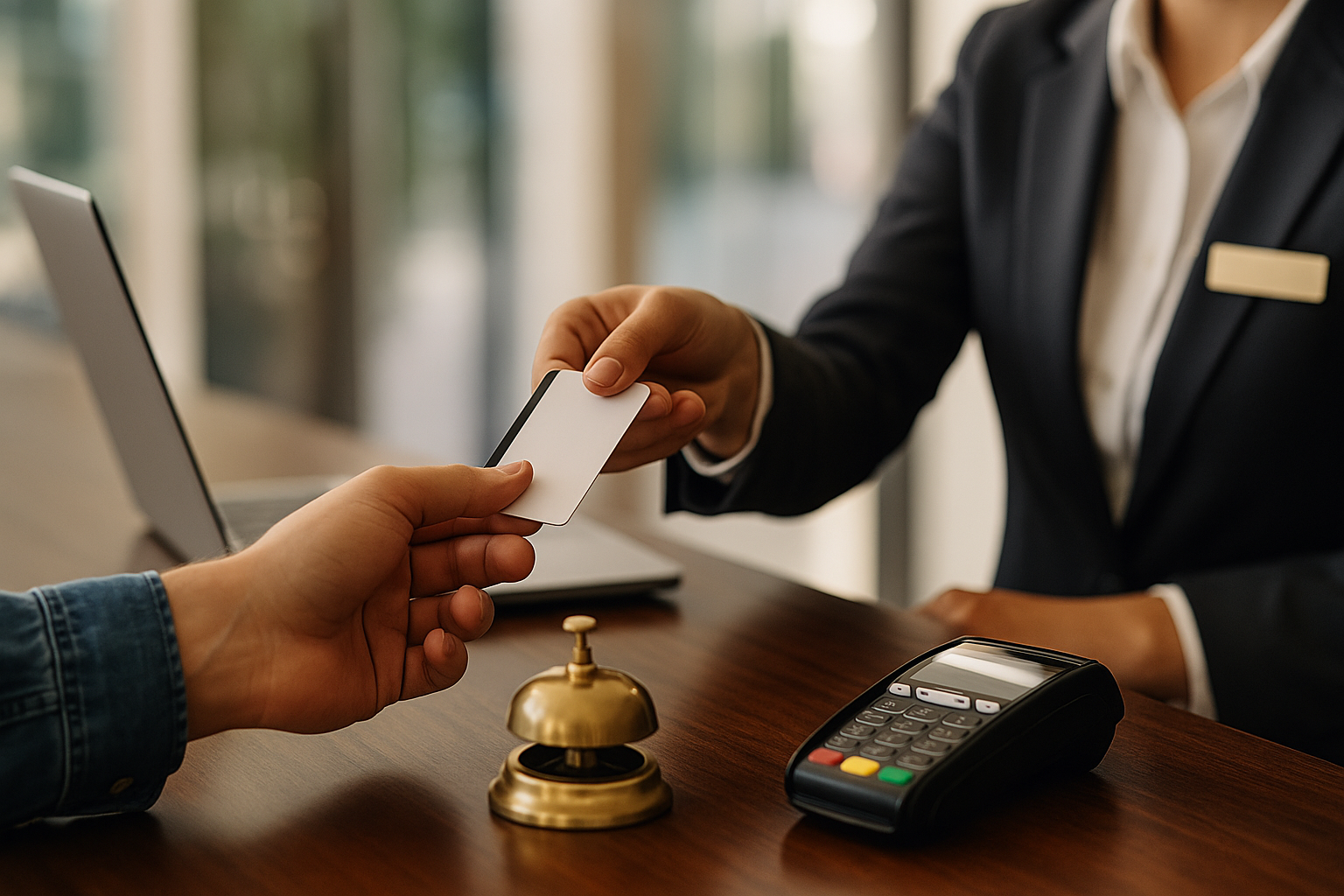

In hospitality, we often think that the real battle is fought by filling rooms and keeping occupancy high. Yet the reality is far more complex: success stems from the holistic management of the guest journey, from the first click on a website to the moment a guest writes their final review. Today, that experience is shaped by expectations of immediacy, personalisation and continuity, and this is where artificial intelligence (AI) is radically transforming our profession.
I have seen it time and again: travellers comparing dozens of options in just a few minutes, wanting answers to their questions at three in the morning, expecting their stay to adapt to their preferences and, upon departure, seeking not only convenience at check-out but also a gesture that invites them to return. And if we are unable to meet that level of demand, another competitor will.
The customer journey is no longer linear. In an environment saturated with offers and distribution channels, AI has become the invisible ally that connects scattered touchpoints and gives them coherence. Its true power lies not in replacing staff, but in removing friction, freeing up teams’ time and enabling human interaction to focus on what delivers the greatest value: emotional connection.
The figures support this: according to the Hospitality in 2025 report produced by Oracle and Skift, more than 70% of travellers expect personalised experiences at every stage of their journey, and 64% are willing to share data in exchange for a more agile and relevant service. The paradox is clear: guests want to feel a sense of closeness, but they also expect immediacy and precision. When properly integrated, AI delivers both.
This is why it is so important to rethink how we support guests throughout their lifecycle with us. If we analyse the complete guest journey (pre-stay, arrival, stay, departure and post-stay), we find that every stage has “moments of truth” that can become opportunities to build loyalty or lead to irreversible disappointment.
From inspiration to loyalty: AI at every stage of the guest journey
During the pre-stay stage, while travellers are still comparing options, AI helps respond quickly, recommend packages and reduce drop-off in favour of OTAs. Recent studies indicate that 98% of hotel website visitors do not complete a booking; an intelligent chatbot, available in multiple languages and across channels, can reduce that percentage through immediate answers and personalised suggestions.
At arrival, the greatest risk is getting off to a bad start. Long queues, booking confusion or language barriers undermine the experience from the outset. Automated pre-check-in, proactive messaging and virtual assistants that handle frequently asked questions allow staff to devote their energy to what matters most: a warm welcome.
During the stay, when perceptions are most at stake, AI acts as a digital concierge that combines efficiency with personalisation: it suggests local activities, manages issues in real time and offers upgrades or ancillary services at precisely the right moment. Two major benefits come together here: a more satisfied guest and a genuine increase in revenue through upselling.
At departure, an often neglected stage, AI helps simplify processes through digital check-out, reminders and frictionless payment options. What may appear to be an administrative detail is, in fact, the final opportunity to leave a positive impression.
And in the post-stay stage, its true strategic value is revealed. Personalised follow-up—thank-you messages, invitations to join loyalty programmes and intelligent surveys—turns a simple memory into an ongoing relationship. The automated collection and analysis of reviews not only protects online reputation, but also fuels the virtuous cycle of continuous improvement.
What is interesting is that this model is not exclusive to major hotel chains. Any hotel, including an independent property, can begin implementing AI progressively. In my experience, the three most effective steps are:
-
Identify the most recurring friction points (incomplete bookings, waits at reception, recurring complaints). AI should first be used where it will have the greatest impact on satisfaction and costs.
Lead Hospitality LibrarySee the booksBooks to run a hotel with judgement
Written from the general manager’s chair: technology, guest experience, leadership and management.
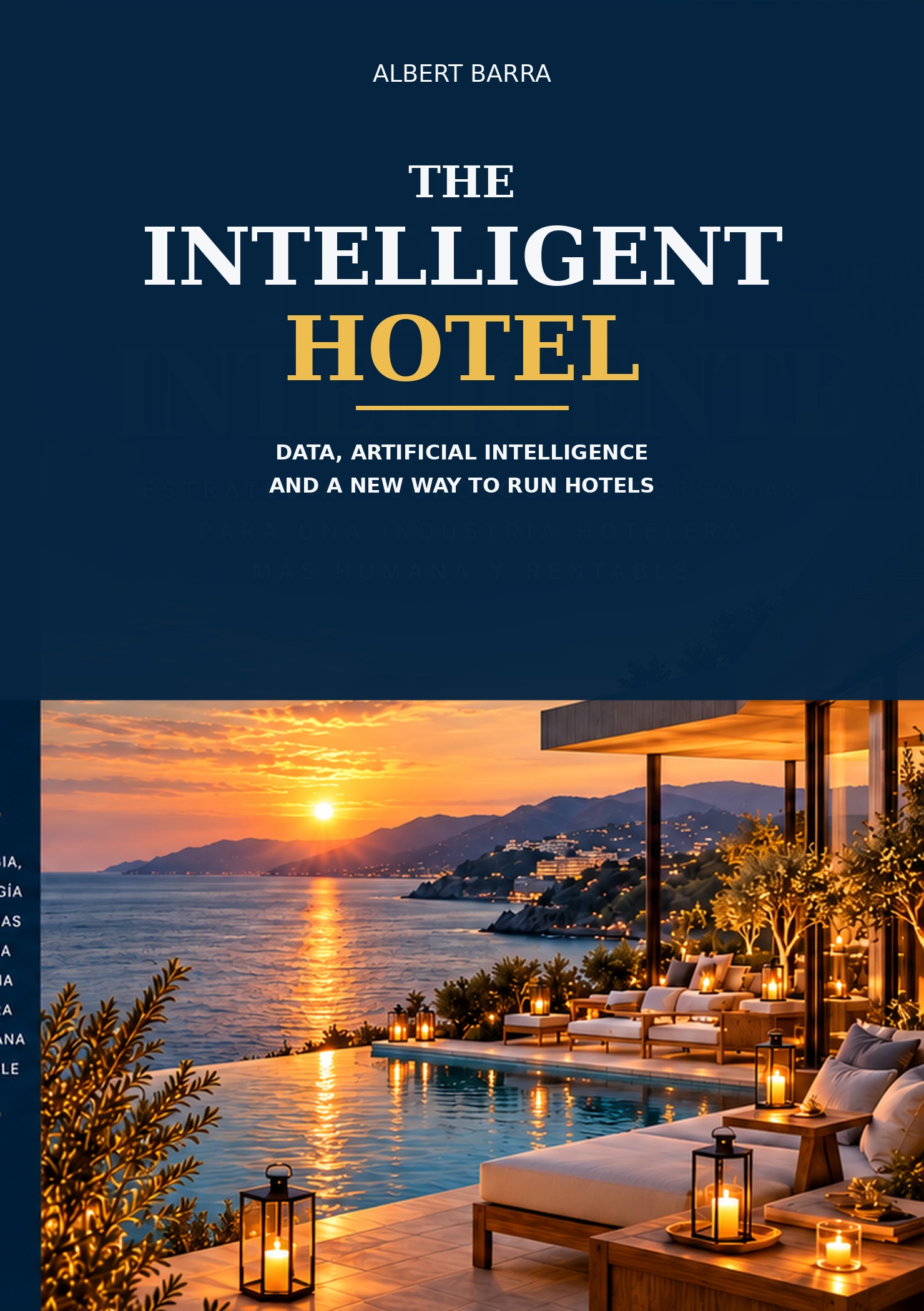 The Intelligent HotelData, Artificial Intelligence and a New Way to Run Hotels
 Directing HotelsWhat Nobody Tells You Before You Sit in the General Manager’s Chair
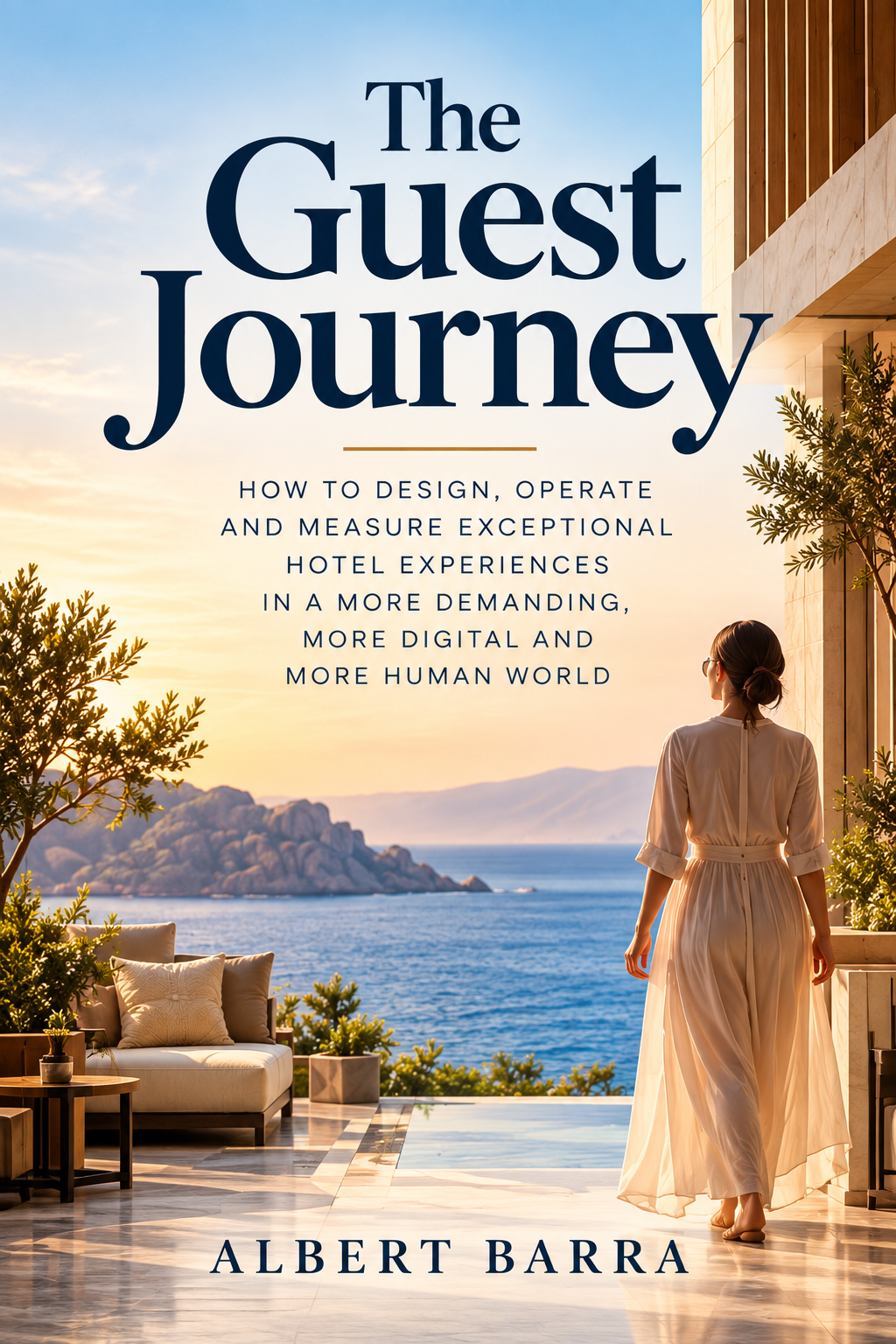 The Guest JourneyDesigning Customer Experience Across the Entire Hotel Journey
 Leadership and High-Performance Team ManagementPeople, Experiences and Results in Today\\\'s HospitalityDigital edition · Personal licence · Free or discounted for subscribersSee all books →
-
Integrate tools that communicate with one another. AI that is not connected to the PMS, CRM or channel manager is like a receptionist working without a telephone.
-
Train the team so they understand that AI does not replace them, but rather multiplies their capacity to deliver hospitality. Empathy remains irreplaceable.
The key is to remember that AI is a means, not an end. It can help us inspire, persuade, serve and build loyalty, but the real magic happens when a guest feels understood, feels that their time has been respected and feels that every interaction had a purpose.
By way of advice, I would like to share three reflections that I consider essential when thinking about AI and the guest journey:
First, do not delegate strategy to technology. AI must be aligned with your hotel’s purpose and brand promise; otherwise, it risks becoming nothing more than an expensive toy.
Second, always measure the real impact. It is not enough to deploy chatbots or recommendation systems; you need to assess whether they improve conversions, raise satisfaction or reduce operating costs. Excellence in hospitality is measured in tangible results and intangible perceptions.
And third, humanise every automation. Guests do not want to feel that they are speaking to a robot, but rather that someone has thought about their wellbeing. The most effective AI is the kind that fades into the background, making room for warmer, more consistent and more sustainable hospitality.
This article ends here. The archive does not.
Lead Hospitality brings together 1200 English articles published since 2018: years of experiences, decisions and lessons you can keep exploring.
What would you like to explore next?
Choose a direction and keep reading around what you want to solve, learn or challenge.