
Are We Asking Too Much of Our Hotel Teams?



Demanding too much from our teams is one of the traps many of us hoteliers fall into without even realising it. In our pursuit of excellence and perfection in service, it is easy to forget that behind every flawless operation are people with limits, emotions and needs. How far can—and should—we push without turning expectations into an unsustainable burden for our teams?
The challenge lies in finding the balance between high expectations and wellbeing. A motivated, committed team is essential to delivering a quality guest experience, but what happens when pressure becomes overload? Hospitality, with its relentless pace and high expectations, can become fertile ground for burnout if it is not managed with balance.
It is natural to aspire to excellence, but it is equally important to ask ourselves whether our expectations are realistic and sustainable. Are we giving our teams the tools and support they need to meet those standards? Or are we imposing a level of pressure that, rather than motivating, wears people down and discourages them? Reflecting on this is the first step towards building a healthy, productive workplace.
When the level of expectation exceeds what a team can take on without compromising its wellbeing, the consequences can be devastating:
- Physical and emotional burnout: Hospitality is an industry that operates under high levels of stress. If team members feel that nothing is ever enough, exhaustion becomes a chronic issue.
- High employee turnover: According to a study by the American Hotel & Lodging Association, the hotel industry has one of the highest turnover rates, averaging 73.8% annually. Demanding too much without recognising the effort involved is one of the main reasons talent leaves.
- Loss of engagement: A motivated team works with passion; an exhausted one does only the bare minimum. The result is mechanical service and an impersonal guest experience.
To achieve excellence without wearing our teams down, it is essential to apply leadership strategies that foster a high-performance environment without sacrificing employees’ quality of life.
1. Set clear, achievable expectations
Set realistic, measurable objectives aligned with the hotel’s operational capacity.
Involve the team in setting goals to foster a sense of ownership over the results.
2. Encourage recognition and positive feedback
A Gallup study shows that employees who receive frequent recognition are 27% less likely to resign.
Implement recognition systems that reward effort and exceptional performance.
3. Provide appropriate training and tools
We cannot demand excellence without providing the resources needed to achieve it.
Continuous training not only improves performance, but also increases job satisfaction.
4. Foster a culture of wellbeing
Flexible schedules, active breaks and a healthy working environment reduce stress and increase productivity.
Books to run a hotel with judgement
Written from the general manager’s chair: technology, guest experience, leadership and management.
 Directing HotelsWhat Nobody Tells You Before You Sit in the General Manager’s Chair
 The Intelligent HotelData, Artificial Intelligence and a New Way to Run Hotels
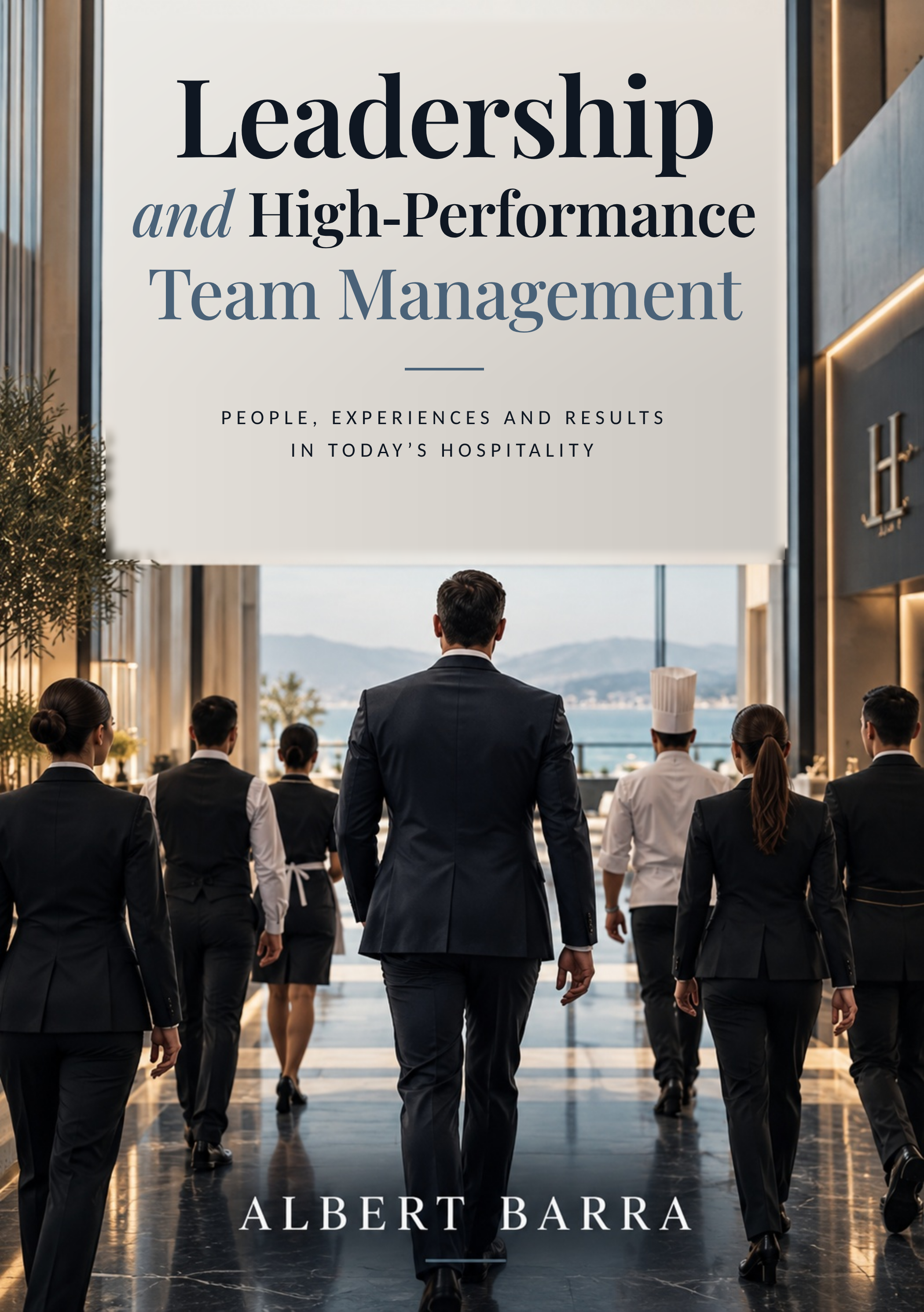 Leadership and High-Performance Team ManagementPeople, Experiences and Results in Today\\\'s Hospitality
 The Guest JourneyDesigning Customer Experience Across the Entire Hotel Journey
Wellbeing programmes, such as mindfulness or psychological support, can make a meaningful difference.
5. Delegate and empower
Not everything should rest with management. Delegating responsibilities gives team members the opportunity to grow and take on new challenges.
Autonomy increases engagement and a sense of belonging.
Looking back, I realise that true success is not measured solely by occupancy or revenue, but by the stability and satisfaction of the team that makes each day possible. A motivated and valued workforce will always deliver exceptional service, and that is the foundation upon which a strong reputation is built.
Sometimes, we fall into the trap of demanding without listening, of pursuing results without considering the human effort behind them. But when we truly understand that our team’s wellbeing is the engine of excellence, we change the way we lead. Inspiration and recognition become just as important as financial targets.
That is why the challenge is not simply to maintain high standards, but to do so sustainably, building an environment in which expectations motivate rather than overwhelm. It is a delicate balance, but one that can be achieved with empathy and a clear vision.
Hospitality is an industry of people serving people. We must never forget that true luxury lies not only in the facilities or the details of service, but in the energy and passion of the team that makes them possible. Let us take care of our teams, and they will take care of our guests.
This article ends here. The archive does not.
Lead Hospitality brings together 1200 English articles published since 2018: years of experiences, decisions and lessons you can keep exploring.
What would you like to explore next?
Choose a direction and keep reading around what you want to solve, learn or challenge.