
Beyond 2.0: New Horizons in Hotel Management and Guest Experience

Albert BarraDecember 28, 2023 · 10 min read
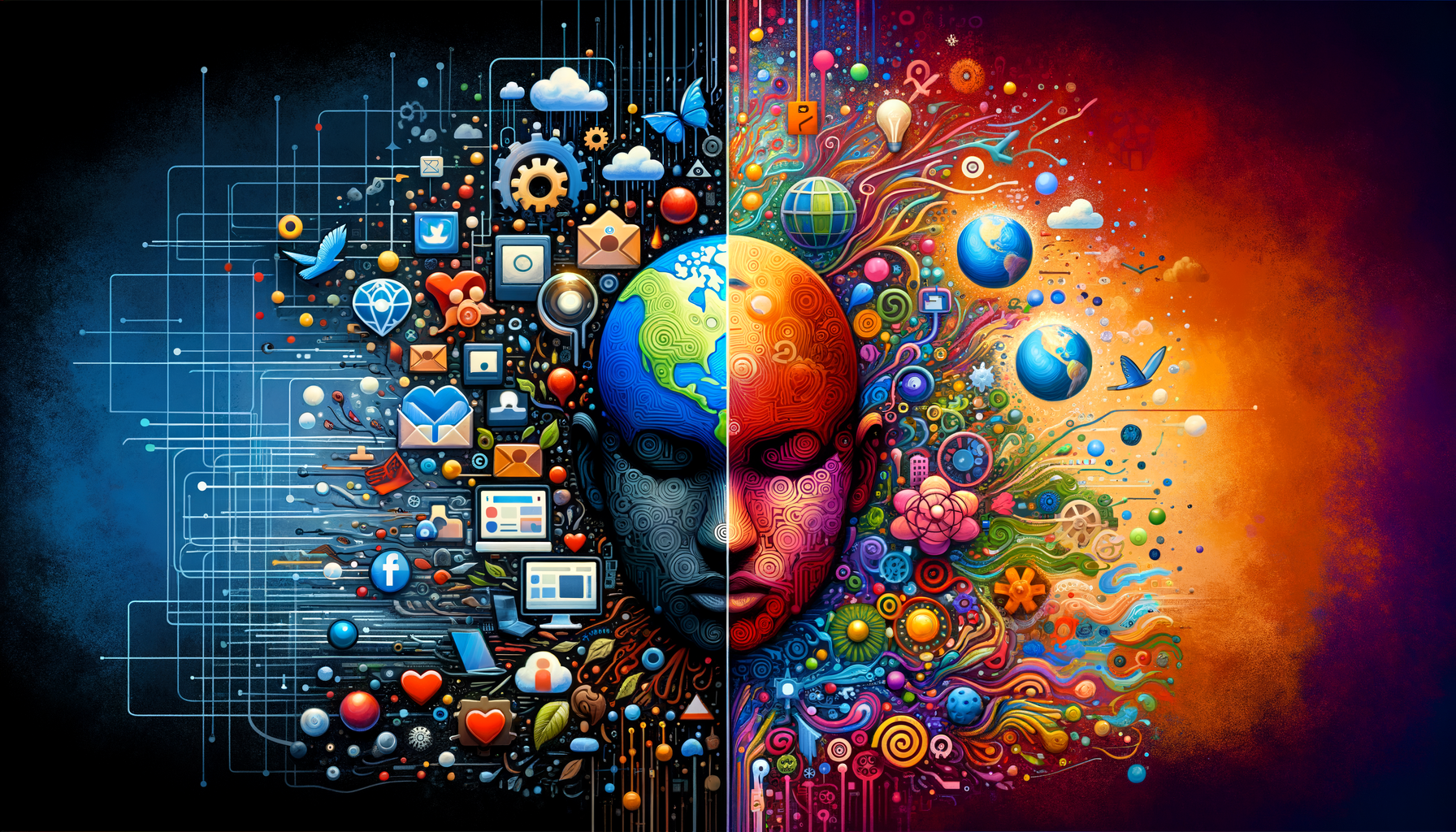

1. Looking Back: The First Steps in the Digital Revolution
From the earliest days of the digital era, I immersed myself in implementing online strategies, recognising the importance of having a strong web presence. I was among the first to understand that 2.0 was not merely a trend, but a paradigm shift that would reshape the way hotels interact with their audiences.2. Innovation and Experimentation: Developing Pioneering Strategies
As an advocate of 2.0, I led the implementation of innovative digital marketing, online distribution and personalised experience strategies. I experimented with social media in its early stages, recognising its potential to build online communities and generate meaningful interactions with guests.3. Breaking Down Barriers: From Resistance to Mass Adoption
My journey was not without its challenges. At a time when some were sceptical of new technologies, I positioned myself as someone who challenged convention and advocated for the integration of 2.0 into hotel management. I convinced many that resistance to change would only limit our potential in a digitally connected world.4. The Paradigm Shift
Today, as I reflect on my role as one of the pioneers of 2.0, I see myself transformed into someone who looks beyond the boundaries of today’s technology. I recognise that 2.0 has died, but its legacy lives on in constant evolution and adaptation to new ways of connecting with customers.5. Facing the Future Wisely: The Death of 2.0 as an Opportunity for Renewal
The death of 2.0 does not mark the end of my commitment to innovation, but rather the beginning of a new chapter in which hospitality merges with the latest technological trends. As we face the future, I do so with the same passion and dedication that defined my role as a pioneer, but now with the wisdom gained throughout the journey of the digital era.
Post-2.0 Hospitality: A Changing Landscape
In this new post-2.0 dawn, hospitality faces a changing landscape. Booking habits have evolved and, now more than ever, the customer experience lies at the heart of our strategies. Today’s travellers demand not only quality accommodation, but unforgettable experiences tailored to their individual preferences. Hospitality of the future must understand that customers do not simply buy rooms; they buy moments. Social media, an omnipresent tool in everyday life, has dramatically changed the way guests share and seek recommendations. Every “like”, every review, is both an opportunity and a challenge for us as hotel managers. The hotel industry faces an exciting yet complex challenge. Changes in booking habits and traveller expectations compel us to adapt and reinvent ourselves constantly. The focus is no longer solely on providing quality accommodation, but on delivering personalised and unforgettable experiences that suit each guest’s individual preferences. In this respect, we understand that our customers do not simply buy rooms, but moments and emotions. The goal now is to create a welcoming, authentic atmosphere that becomes the perfect setting for our guests to enjoy unique and memorable experiences. From a romantic rooftop dinner with panoramic views to a local cooking class using fresh regional ingredients, every detail matters when it comes to surprising and captivating our customers. But we cannot overlook the power of social media in this new digital era. Every “like”, every positive review, is an opportunity to gain visibility and attract new guests. Conversely, every negative comment or expression of dissatisfaction can become a challenge that we must address and resolve quickly and efficiently. Online reputation management has become more important than ever, and we must be prepared to respond proactively and find solutions that satisfy our customers. Technology also plays a fundamental role in this new era of hospitality. Advances in artificial intelligence, virtual reality and the Internet of Things provide us with innovative tools to enhance the customer experience. From in-room virtual assistants that answer guest questions to mobile apps that enable bookings and the personalisation of additional services, technology is transforming the way we interact with our customers. Post-2.0 hospitality challenges us to understand and adapt to a changing landscape. We must focus on delivering unforgettable, personalised experiences, harness the power of social media to promote ourselves and manage our online reputation, and leverage new technologies to enhance the customer experience. Only then can we stand out in this new dawn of hospitality and remain relevant in the market.The Social Impact of 2.0
At the height of the 2.0 era, the social dimension became the beating heart of digital transformation in hospitality. I witnessed how social platforms became not only marketing channels, but also living forums where customers shared their experiences, expectations and aspirations. 2.0 was undoubtedly a tool, but more importantly, it was the catalyst that brought us to the present moment, where customers seek not merely accommodation, but memorable experiences.1. The Birth of Digital Conversation: Social Media as Emotional Connectors
With the emergence of social media, 2.0 became a space for conversation. Travellers ceased to be mere consumers and became active participants in the brand narrative. From sharing photographs of their stays to expressing their desires and expectations, the social aspect of 2.0 created an emotional connection that transcended traditional transactions.2. From Comments to Experiences: The Evolution of Customer Feedback
The social dimension not only enabled guests to express their opinions, but also transformed feedback into shared experiences. Comments ceased to be simple assessments and became stories that influence the decisions of future travellers. This dynamic gave rise to today’s demand for authentic, personalised experiences.3. From Self-Interest to Community: Building Relationships Through Social Media
2.0 taught us that shared experiences have intrinsic value. Travellers no longer seek only to meet their individual needs; they want to be part of communities that share their values and aspirations. Social media was the bridge that took us from a self-centred approach to building virtual communities where loyalty was forged through emotional connection.4. Beyond the Transaction: Customer Experience as a Priority
The most valuable lesson left to us by the social impact of 2.0 is that, ultimately, the social dimension was not the end, but the means to an extraordinary customer experience. Now, in the post-2.0 era, the focus shifts from the simple transaction to creating experiences that resonate in the traveller’s mind and heart. This journey from the social dimension of 2.0 to the customer who demands experiences is a narrative that defines the new reality of hospitality. In this context, the visionary hotelier understands that every online interaction is an opportunity to weave experiences that go beyond expectations and that, at the end of the day, true success lies in turning guests into passionate storytellers of their own hotel experiences.Hotel Management 3.0: Beyond Online Bookings
The hotel management of the future goes beyond simple online bookings. It is customer-centric management, an emotional connection that extends from the first interaction on social media to the guest’s farewell. Authenticity is the new currency. It is not simply about selling rooms, but about selling stories and experiences that resonate in the traveller’s heart. In this landscape, it is essential to recognise that hotel management is now a dance between data and emotions. Data analytics can inform our decisions, but empathy and a deep understanding of customer expectations are the keys to standing out in today’s saturated market. In today’s hotel industry, Hotel Management 3.0 has become essential to stand out and survive in an increasingly competitive market. Offering online bookings is no longer enough; what is required is customer-centric management, where an emotional connection is established from the first contact through to the moment the guest departs the hotel. In this new approach, authenticity has become the most valuable currency. Hotels no longer merely sell rooms; they offer unique stories and experiences that resonate in the traveller’s heart. It is about creating memorable moments that leave a lasting emotional imprint and turn guests into brand ambassadors. To achieve this, it is essential to recognise that hotel management is now a dance between data and emotions. Data analytics can provide valuable insight into guest preferences and behaviours, but empathy and a deep understanding of their expectations are the keys to standing out in today’s saturated market. Hotel Management 3.0 involves using the information gathered to personalise the guest experience at every touchpoint with the hotel. From the moment a reservation is made through to check-out, every interaction must be designed to exceed customer expectations and create an emotional bond with the brand. In addition, Hotel Management 3.0 also involves using effective digital marketing strategies to reach prospective customers and maintain an active presence on social media. This means not only promoting the hotel’s amenities and services, but also sharing stories and testimonials from satisfied guests to build trust and credibility. In short, Hotel Management 3.0 goes beyond simple online bookings. It is about creating a memorable and authentic experience for guests, using data and emotions as key tools. Only those hotels that succeed in establishing an emotional connection with their guests will stand out in today’s highly competitive hospitality market. Post-2.0 marketing demands a thorough review of our strategies. It is no longer enough simply to be on social media; it is about creating relevant, genuine content that resonates with our audience. Conventional marketing strategies are losing ground to consumers’ demand for authenticity. The battle for visibility is fought on digital platforms, where creativity and originality are powerful weapons. Visual storytelling and customer engagement are now imperative. Hotels that understand the new dynamics of hotel marketing will be the ones that win customer attention and loyalty.The Customer Experience: An Evolving Art
Finally, in this post-2.0 landscape, the customer experience rises to a higher level. Travellers seek more than a place to rest; they seek to live and share unique experiences. Personalisation is key. From the welcome to in-room amenities, every interaction must celebrate the guest’s individual preferences. The hospitality of the future anticipates customer desires and, rather than merely satisfying them, surprises them. Customer loyalty is no longer bought with points programmes, but with exceptional experiences and genuine service. Personalisation has become a key factor for success in today’s hospitality industry. From the moment a guest sets foot in the hotel, every interaction must celebrate their individual preferences. From a personalised welcome to in-room amenities that reflect the guest’s tastes, every detail counts. The hospitality of the future is not only about meeting customers’ basic needs, but about anticipating and exceeding their desires. Hotels must strive to deliver exceptional experiences that surprise their guests. This involves knowing each customer in depth, understanding their preferences and anticipating their needs. Genuine, attentive service can make the difference between a satisfied customer and a loyal one. In short, the customer experience in hospitality has become an ever-evolving art. Hotels must adapt to the demands of modern travellers by offering personalisation, anticipating desires and surprising guests with exceptional experiences. Customer loyalty is no longer bought; it is earned through genuine, memorable service. Only those hotels that master this art will be able to excel in the industry and secure long-term success. On this journey towards the future, where 2.0 has been left behind, we must embrace evolution with humility and wisdom. Hospitality has not died; it has been reborn in a more exciting and challenging form. Are we ready for the next act?This article ends here. The archive does not.
Lead Hospitality brings together 1200 English articles published since 2018: years of experiences, decisions and lessons you can keep exploring.
CONTINUE FROM HERE
What would you like to explore next?
Choose a direction and keep reading around what you want to solve, learn or challenge.
01MAKE MOREProfitability, revenue and decisions that reach the bottom line.
02LEAD BETTERTeams, culture, talent and the conversations that matter.
03SELL BETTERPositioning, marketing, distribution and customers.
04CREATE EXPERIENCESService, loyalty and details guests remember.
05UNDERSTAND WHAT'S NEXTInnovation, AI and new ways of thinking about Hospitality.
✦SURPRISE MEShow me something worth five minutes of my time.