
Big Data in Hotels: How to Use Data Effectively

Albert BarraApril 13, 2026 · 6 min read
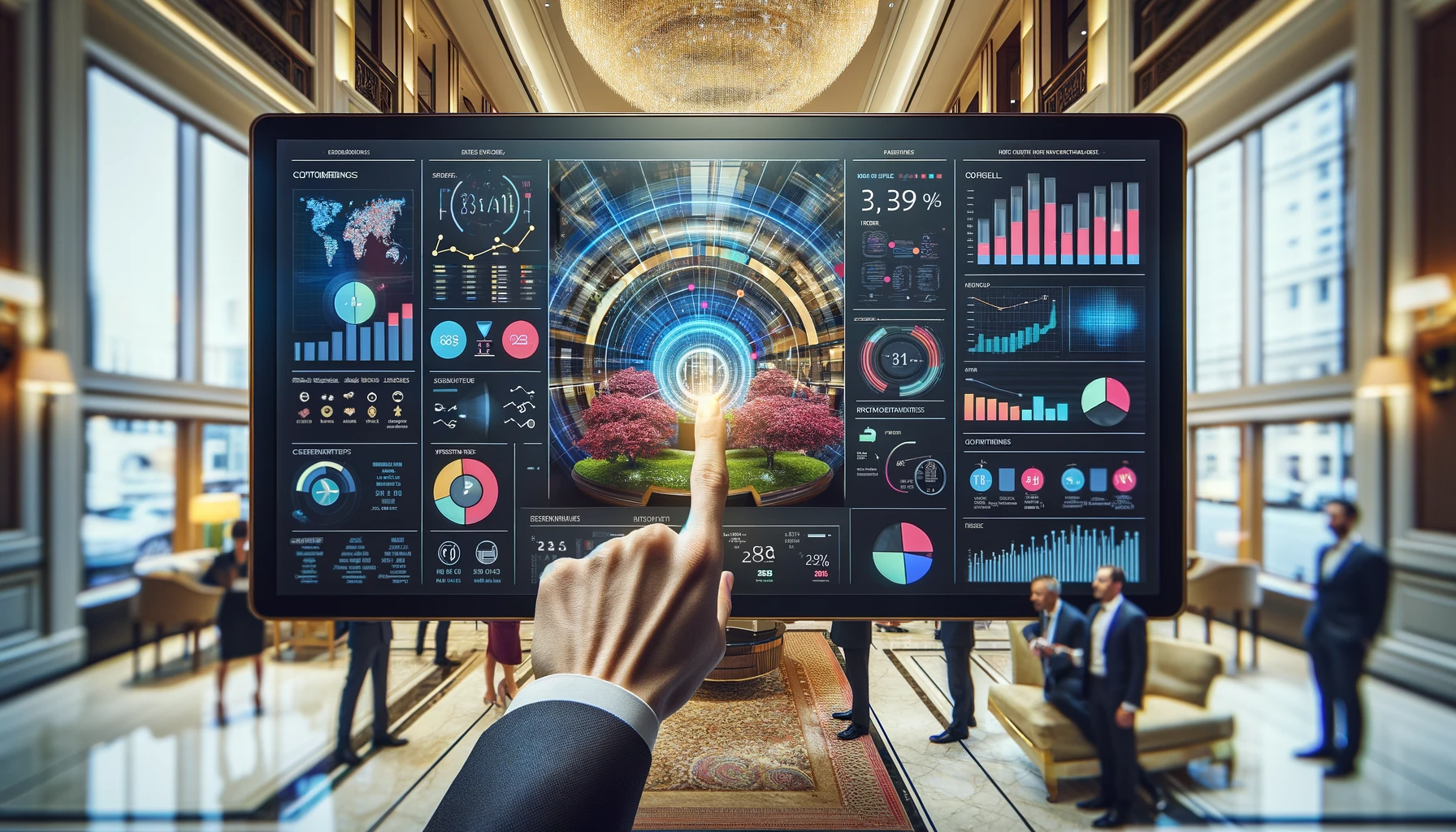
In reality, no term has been as widely discussed in the hotel industry—and at the same time so little used—as Big Data. Many hotels and hotel chains claim to use Big Data in their strategies, but very few truly delve into extracting insights from the data we handle every day, and even fewer actually make the most of it.
The truth is that whenever I hear industry professionals talking about Big Data, I end up exhausted. On many occasions, I see hoteliers remain at the surface level of the information they manage, without delving into the data itself and the conclusions that can be drawn from it.
The hotel industry can start with Big Data, but the volume and variety of data to work with are no small matter. Guests leave a trail of data from the moment they make a reservation until they check out, and hotels are beginning to face the challenge of turning that data into actionable information.
The possibilities of Big Data are endless when things are done properly and in an orderly way. Yet here we are, every day, sitting in front of a mountain of data while doing very little with it. Or do you simply believe it is best to leave Big Data to large hotels and chains? But then, do we believe the major chains are doing much with it? The truth is that not even many of the large players are doing so.
Big Data works best when it is approached in an organised, phased way, starting with small data sets and then gradually adding more information. If you have a clear understanding of your hotel’s objectives, you may find that Big Data is not so intimidating after all.
In addition to optimising room revenue, hotels looking to innovate constantly strive to maximise revenue per guest. This means understanding their characteristics and behaviours, and tailoring value propositions to make them as relevant and personalised as possible. By looking at what guests do alongside their demographic and social characteristics, habits and preferences, it is possible to differentiate guests into distinct segments. A guest may have high spending potential for a single weekend, yet not be a frequent, loyal or even profitable customer. Another may not purchase many extras, but may nevertheless be more profitable due to frequent visits or their ability to influence others.
Where should you start?
The possibilities of Big Data are endless when things are done properly and in an orderly way. Yet here we are, every day, sitting in front of a mountain of data while doing very little with it. Or do you simply believe it is best to leave Big Data to large hotels and chains? But then, do we believe the major chains are doing much with it? The truth is that not even many of the large players are doing so.
Big Data works best when it is approached in an organised, phased way, starting with small data sets and then gradually adding more information. If you have a clear understanding of your hotel’s objectives, you may find that Big Data is not so intimidating after all.
In addition to optimising room revenue, hotels looking to innovate constantly strive to maximise revenue per guest. This means understanding their characteristics and behaviours, and tailoring value propositions to make them as relevant and personalised as possible. By looking at what guests do alongside their demographic and social characteristics, habits and preferences, it is possible to differentiate guests into distinct segments. A guest may have high spending potential for a single weekend, yet not be a frequent, loyal or even profitable customer. Another may not purchase many extras, but may nevertheless be more profitable due to frequent visits or their ability to influence others.
Where should you start?
- Set clear objectives for data management and establish a strategy for achieving them. In other words: how far do I want to go? What information do I need? Where is that information?
- Make sure the data you manage provides clear answers to your questions.
- Why is what we are extracting important for our hotel?
- What can it improve in terms of guest service?
- In what different ways will it increase hotel revenue?
- How can it help reduce costs?
- Is what we are about to do necessary?
- Identify every data source in your hotel.
- Start by reviewing and identifying as many data sources as possible. Where is your guest data, and where is it being captured? Is it only in the PMS? Is it in your Central Reservation System (CRS)? Or also in the customer relationship management system (CRM)? Or do I need to look elsewhere?
- Website subscriber lists, information provided by web analytics, cookies and booking patterns.
- Distribution channels: information such as channels, booking lead time and profitability.
- Social media: followers, competition participants, detractors, fans, advocates, etc.
- Restaurant point-of-sale (POS) systems: spending patterns of in-house guests and non-guests. Purchases and preferences.
- Hotel events that encourage individual guest participation.
- Trade fairs: visitors to a travel trade show stand.
- Spa: information on usage by both hotel guests and external visitors.
- Reservations: data from all enquiries, calls, bookings, cancellations and amendments, for both individual guests and groups, including telephone switchboard records.
- Free Wi-Fi access in public areas can also provide an interesting source of data.
- Data collected at check-in and check-out.
- Concierge services booked before arrival and during the stay.
- External data: data purchased from external sources for marketing campaigns.
- Generate highly effective marketing campaigns for your hotel based on behavioural patterns, country of origin, weather conditions in the country of origin and online purchasing patterns.
- Create micro-segments within your guest database to deliver high-impact calls to action.
- Make on-property marketing opportunities more effective.
- Improve guest recognition and the on-property experience.
- Improve email targeting with a highly innovative degree of personalisation and tailored value propositions.
- Market your hotel at the right time using location-based and geotargeted marketing.
- Achieve more with your hotel website: visitors, cookies and retargeting.
- Conduct semantic analysis of guest reviews to measure satisfaction levels by service area.
- Implement even more dynamic pricing for your hotel based on guest profile, patterns, preferences and more, including in real time.
- Use data from your hotel’s points of sale and restaurants to maximise profitability.
- Manage hotel availability based on local events.
- Assess the impact of rate changes at your hotel through simulations before implementing them, using scenarios that closely reflect reality.
- Monitor and analyse channel profitability data and your hotel’s productivity.
- Analyse reservation call metrics at your hotel.
- Use social media as a diagnostic tool to resolve issues with your hotel’s marketing initiatives and programmes.
- Help align hotel employees’ skills more effectively with guest needs.
- Include more valuable and relevant information in group proposals.
- Deliver personalised sales at guest touchpoints.
- Learn how to improve inventory management at your hotel.