
Building a Guest-Centric Culture in Hotels

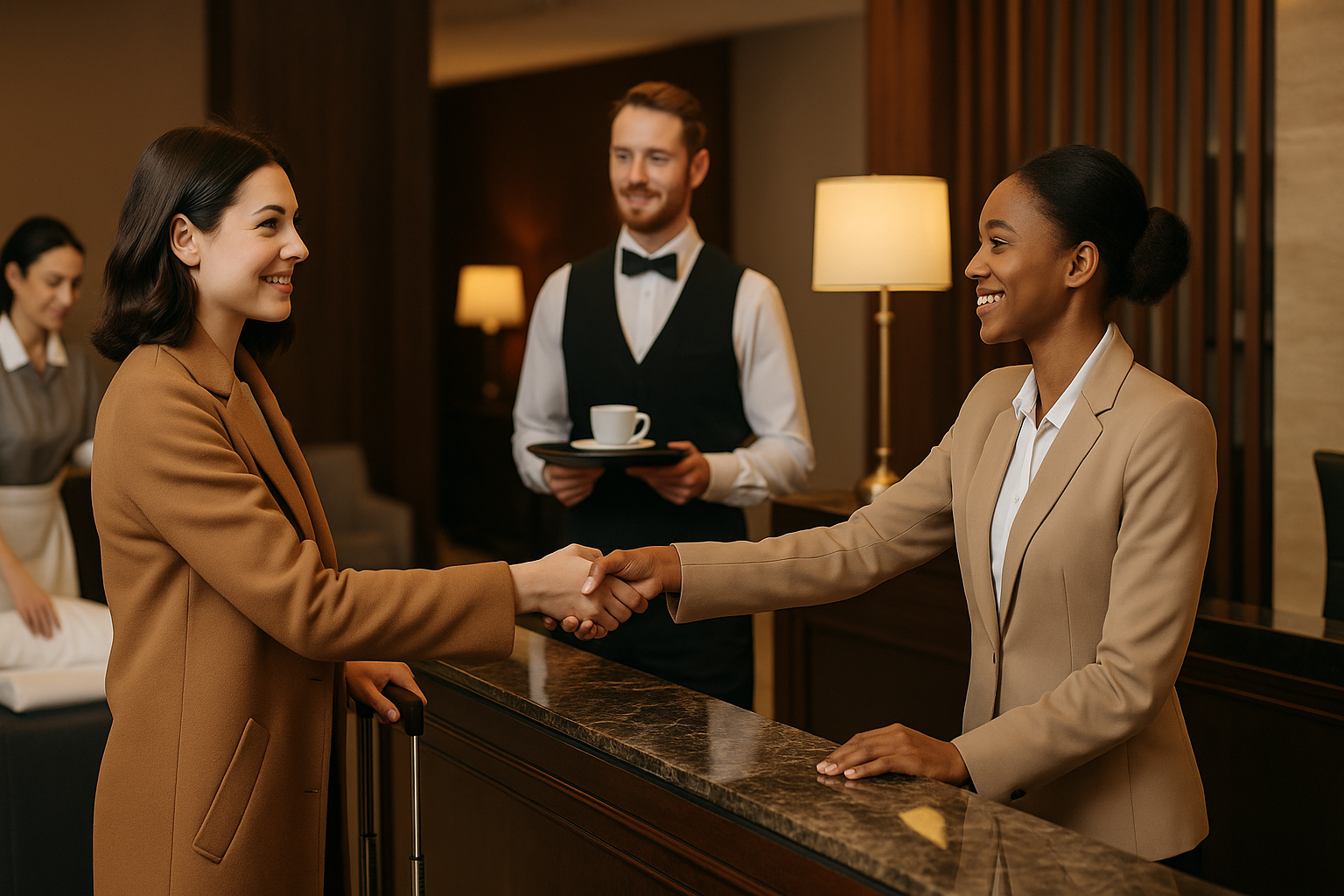

There is an essential difference between delivering good service and creating a culture centred on the guest experience. The former depends on protocols, training and control; the latter is born of conviction, purpose and consistency. I have learned that it is not about training people to smile, but about building an organisation that understands why it smiles.
In hospitality, the guest experience is not improvised; it is designed, felt and passed on. It does not begin at reception, but much earlier: in the strategic vision, in how we select our people, in the way leaders communicate, and in the small gestures that reinforce a shared identity. A guest-centric culture becomes the company’s DNA: invisible, yet decisive.
Over the years, I have observed that the most admired hotels are not necessarily the most luxurious, but the most consistent. They are the ones that ensure every team member, regardless of role, understands the ultimate purpose of their work: creating wellbeing for others. That consistency is what turns a stay into a memory, and a guest into an ambassador.
A culture of authentic hospitality is built on a clear vision, exemplary leadership and strategic consistency. It is not enough to “provide good service”; the point is to align every process, decision and value with a higher purpose: making the guest feel they are at the heart of our reason for being.
Cultural Strategy
Creating a culture centred on the guest experience requires a deliberate strategy. As the EFQM model suggests, excellence is not achieved through isolated departments, but through a shared vision that connects purpose, leadership and value creation.
To achieve this, there are five essential pillars:

Stop managing isolated systems. Start managing the whole hotel.
HotelGEX connects guests, operations, Revenue, F&B, Groups & Events and Management into one intelligent hotel context — so every decision starts with a clearer picture.
-
A purpose and vision that are lived, not framed. A corporate purpose is not an inspiring phrase hanging on a wall. It is a daily compass. When everyone knows why they do what they do, decisions become simpler and mistakes are corrected with purpose in mind.
-
Leadership that inspires, rather than commands. Leadership in hospitality is an act of service. It is not about control, but about creating an environment in which people can give their best. Valentini Kalargyrou’s research highlights empathetic communication, ethics and consistency as the skills most valued by hotel teams.
-
Organisational listening. Excellent hotels share a common ability: they listen. They listen to guests, but also to their people. Internal feedback is not limited to surveys; it is an ongoing conversation that fuels improvement and strengthens trust.
-
Operational empowerment. An experience-centred culture requires every team member to have the freedom and judgement to act in the guest’s best interest. When decision-making authority is distributed, the experience becomes more human.
-
Rituals that sustain identity. Strong cultures are not improvised: they are reinforced through symbols, traditions and routines. A daily briefing, shared language, a way of celebrating achievements or welcoming new colleagues are quiet tools of cohesion.
In this respect, creating a culture of hospitality is no different from conducting an orchestra. Each department plays its part, but all share the same score: the complete guest experience.
In practice, a guest-centric culture cannot be seen: it is felt. It is present in how a receptionist handles a complaint, how a housekeeper enters a room, or how a server anticipates a need. All of this happens when the system has internalised that every gesture is an opportunity for emotional connection.
Michael Olsen describes this in his Handbook of Hospitality Strategic Management as the alignment of culture, leadership and competitive strategy. In a hotel, this alignment translates into three levels:
-
Culture as a competitive advantage. Guest-centric cultures create sustainable differentiation beyond the product itself. A guest may forget the design, but never how it made them feel.
-
Processes designed around the guest. It is not about imposing standards, but redesigning processes with the guest’s ease and convenience in mind.
-
Developing emotional talent. In an environment where automation is growing, the human factor becomes the true luxury. According to Oracle & Skift’s Hospitality in 2025 report, 78% of travellers will continue to value human empathy as the most decisive element of a good stay.
That is why creating an experience-centred culture does not mean training helpful employees, but rather people who are conscious of their impact. When a team understands that every detail is a message, the experience ceases to be a task and becomes a vocation.
In practice, translating this philosophy into reality requires consistency, humility and visible leadership. I have learned that sustainable change begins within, not outside.
-
Lead by example. If leaders do not live hospitality in their interactions with one another, they cannot demand it in their interactions with guests. Culture is transmitted through observation, not instruction.
-
Train for understanding, not merely execution. Teach your teams not only what to do, but why to do it. Understanding creates commitment.
-
Recognise gestures, not just results. What is celebrated is repeated. Recognising an act of empathy or exceptional care has a greater impact than rewarding a KPI.
-
Integrate sustainability as part of the experience. The new generation of guests associates excellence with responsibility. Incorporating visible sustainable practices is also a form of hospitality.
-
Measure emotions, not just numbers. Satisfaction surveys are useful, but what truly matters is understanding how the guest felt. Emotion is the best indicator of loyalty.
An experience-centred culture is not imposed: it is inspired. It requires leadership that genuinely believes in the transformative power of hospitality. When this happens, the hotel transcends its economic function and becomes something more: a space for wellbeing, connection and memory.
From Strategy to Action: Operationalising Guest Culture
Transforming a cultural vision into an operational reality is the greatest challenge we hoteliers face. It is in everyday life—in the corridors, kitchens and at reception—where a philosophy either becomes practice or it does not.
An experience-centred guest culture is not achieved through grand speeches, but through small acts repeated with consistency.
Teams do not need complex instructions; they need clarity of purpose: an understanding that every action, however small it may seem, has a direct impact on how the guest perceives hospitality.
I like to think of guest culture as a flow of energy running through every department. If it is interrupted at any point, the whole is affected. That is why hospitality must be managed as an integrated ecosystem, in which all operational processes are connected and every team understands its role in the overall experience.
In my experience, there are four key areas where culture becomes tangible: Front Office, Housekeeping, F&B and Maintenance.
Front Office: The Hotel’s Emotional Pulse
The front office is the heart of the hotel, the first place where culture becomes visible. There, guests do not perceive procedures; they perceive emotions.
I have always insisted on something that seems obvious but is often forgotten: the first smile is not a protocol; it is a declaration of identity.
To create a memorable front-office experience:
-
-
-
Anticipate and personalise. Knowing who is arriving, why, and what motivates them is the starting point. Technology can help, but empathy is irreplaceable.
-
Design the welcome ritual. Do not improvise. Every guest should feel they have arrived somewhere that was expecting them.
-
Empower your team. A receptionist who must ask permission to resolve a complaint cannot inspire confidence. Autonomy is the foundation of authentic hospitality.
-
Take care with language. In guest culture, we do not say, “I can’t”; we say, “Let me see how I can help you.”
-
-
Studies by Magnini and Simon in A Hotel Manager’s Handbook demonstrate that hotels with the highest guest satisfaction share a pattern: front-office teams have the operational freedom to resolve unexpected issues in under five minutes. It is no coincidence: where there is trust, there is consistency.
Housekeeping: The Art of Serving Unseen
Housekeeping is probably the department in which the culture of service is felt most strongly and recognised least. Its work is invisible, but its results determine perceptions of cleanliness, order and care: three emotional pillars of guest wellbeing.
A guest-centric culture is reflected in how housekeeping teams understand their purpose. They do not “clean rooms”; they prepare spaces for rest.
That difference in perspective changes attitudes and raises standards.
Some operational principles that reinforce this culture:
-
-
-
Seamless interdepartmental communication. A room is not simply released; it is handed over with pride. Communication with the front office and maintenance must be constant and respectful.
Lead Hospitality LibrarySee the booksBooks to run a hotel with judgement
Written from the general manager’s chair: technology, guest experience, leadership and management.
 Directing HotelsWhat Nobody Tells You Before You Sit in the General Manager’s Chair
 The Intelligent HotelData, Artificial Intelligence and a New Way to Run Hotels
 The Guest JourneyDesigning Customer Experience Across the Entire Hotel Journey
 Leadership and High-Performance Team ManagementPeople, Experiences and Results in Today\\\'s HospitalityDigital edition · Personal licence · Free or discounted for subscribersSee all books →
-
Training in emotional detail. Good housekeeping notices signs: wilted flowers, forgotten notes, misplaced objects… because it understands that comfort lies not only in cleanliness, but in harmony.
-
Autonomy to make decisions. If a guest has forgotten a garment or a charger, the response must be immediate, without layers of hierarchy. Speed in small gestures builds trust.
-
-
Culture is expressed in how we treat guest spaces when the guest is not present. It is the quietest—and most honest—way of demonstrating respect.
F&B: The Stage for Emotion
In F&B, the culture of experience becomes an everyday performance. Here, the product matters, but service turns it into emotion.
It is not enough to serve an excellent meal; we must build a sensory narrative consistent with the hotel’s identity and brand promise.
To this end, I propose three principles:
-
-
-
Sensory consistency. What the guest sees, smells, hears and tastes should tell the same story. The ambience, music and smile must be on par with the dish.
-
Hospitality across every role. Servers are not “service staff”; they are hosts. Training them in active listening, empathy and culinary storytelling makes all the difference.
-
Emotional empowerment. Allow team members to create spontaneous moments. A sincere recommendation or a personal touch is worth more than any etiquette manual.
-
-
One fact I always repeat to my team: according to Xotels, 70% of positive F&B reviews mention the staff, not the food. People remember how they felt, not only what they ate.
Maintenance: The Silent Guardian of the Experience
In most hotels, the maintenance department works away from the spotlight, yet its impact on the guest experience is absolute. A shower that does not work, a flickering light or air conditioning that does not cool can ruin the overall perception of quality.
However, technical excellence can only be sustained when it is underpinned by a service mindset.
I have learned that the best maintenance teams are those that see their work not as an obligation, but as a way of caring for the guest even when they do not see them.
-
-
-
Preventive protocols. Reactive maintenance conveys chaos; preventive maintenance creates confidence.
-
Coordination with the front office and housekeeping. A fault resolved in time prevents complaints and demonstrates invisible efficiency.
-
Hospitable language. Even technicians must know how to communicate with empathy when they encounter a guest. There are no “back-of-house” tasks; everything forms part of the experience.
-
-
The Operational Circle of Hospitality
When every department shares the same purpose, the hotel functions as a living organism.
There are no “guest-oriented departments”: the whole hotel is guest-oriented.
To achieve this, I recommend three actions that bring teams together:
-
Daily cross-functional meeting. Not only to review occupancy, but also to share real guest stories, lessons learned and exemplary gestures.
-
Visible purpose board. A place where every employee can note actions that have improved the guest experience. Culture grows when it is made visible.
-
Shared recognition. Reward collaboration between departments, not only individual performance.
The guest experience does not end when they walk out the door. A mature culture is also reflected in post-stay follow-up, in how a review is answered or a recommendation is acknowledged.
At this stage, the guest may no longer be present, but the relationship continues.
Responding with gratitude, personalising messages and maintaining the connection turns a stay into a shared story.
In this way, a culture centred on the guest experience ceases to be an abstract ideal and becomes a way of living hospitality every day.
This article ends here. The archive does not.
Lead Hospitality brings together 1200 English articles published since 2018: years of experiences, decisions and lessons you can keep exploring.
What would you like to explore next?
Choose a direction and keep reading around what you want to solve, learn or challenge.