
Competing with Class and Style


Competing in the hotel industry has always been a fascinating challenge for me. From the first day I took on the responsibility of leading a hotel, I understood that it was not simply about offering a comfortable bed and a smile, but about creating a complete experience that combined operational excellence, creativity and, above all, humanity. This approach has led me to continually question how to stand out in such a competitive market without compromising quality or losing the personal touch that makes every guest feel special.
Over the years, I have learned that competing with class and style does not mean being aggressive or seeking to crush the competition. Rather, it means finding ways to inspire and connect with both guests and the team. It is a delicate balance between maintaining high standards and being innovative, while adapting to the demands of an ever-evolving market. For me, every strategic decision must respond not only to profitability, but also to the emotional impact we create for those who visit us.
Along this journey, I have discovered that authenticity and purpose are the greatest differentiators. Competition is not only about numbers or metrics; it is about leaving a lasting impression in our guests’ memories and building a team that believes in the mission of delivering something beyond the ordinary. This article is not merely a compilation of strategies, but a collection of lessons, failures and small successes that have shaped me as a professional in this exciting industry.
It is not enough to fill rooms or offer “acceptable” service. Competing with class and style requires something more: a combination of operational excellence, strategic creativity and a deep understanding of guests’ needs and desires. This approach is not simply about differentiating yourself, but about doing so in a way that reflects integrity, authenticity and a genuine commitment to quality.
The hotel industry, with its distinctive characteristics of intense competition and an inventory that cannot be stored, demands constant strategic planning, where creativity and human leadership become the pillars of every decision. Here, I share some reflections, strategies and practices that, in my experience, make a difference.
Authentic differentiation: the key to sustainable success
First, I want to emphasise that competing with style begins with understanding who you are as a brand. Every hotel has its own essence, whether it is a boutique mountain retreat or a vibrant beachfront resort. Authenticity not only attracts guests, but also generates loyalty and organic recommendations. Reflect on your unique value proposition: What do you offer that cannot be found anywhere else? This guiding principle shapes not only daily operations, but also long-term strategic decisions.
For example, if your hotel has a distinctive architectural design, leverage that strength by creating experiences around it. If you specialise in gastronomy, ensure that every dish showcases local creativity and innovation. Differentiation is not something that can be faked or improvised; it must be part of the hotel’s essence and its narrative to guests.
Building a team aligned with the vision
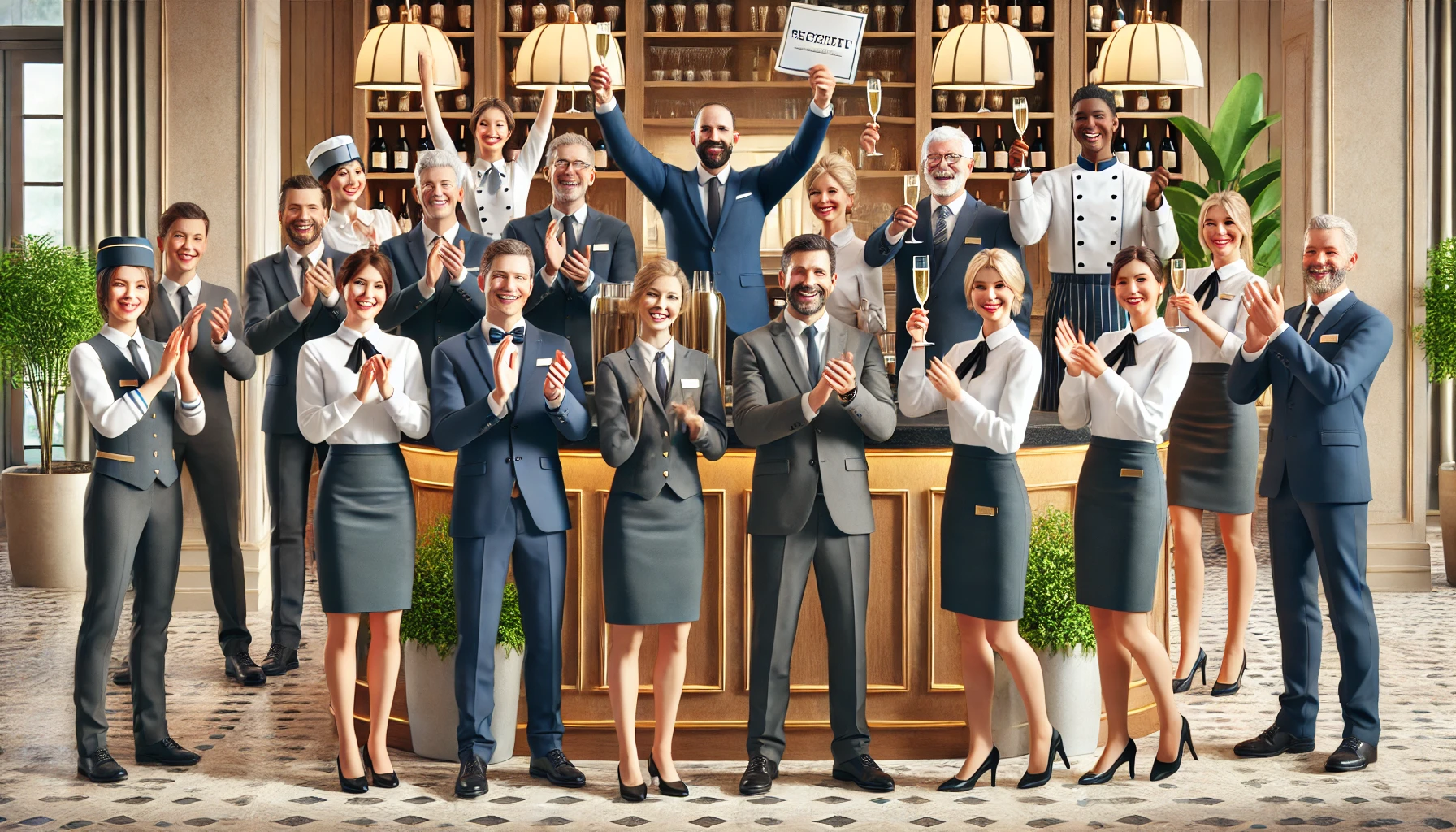
I have learned that a hotel’s true strength lies in its people. The team is the most direct connection to the guest, and its attitude and commitment can transform an ordinary service encounter into something extraordinary. Competing with class is not possible without a well-trained, inspired and empowered team.
- Invest in training: Training should not be limited to technical skills. Invest in developing soft skills such as effective communication, empathy and problem-solving. These skills not only enhance guest interactions, but also strengthen internal team dynamics.
- Lead by example: A hotel’s culture starts with its leadership. If you demonstrate commitment, ethics and passion, that energy will permeate every level of the organisation.
- Create a culture of recognition: Small gestures of appreciation for employees can have a significant impact. From monthly awards to a simple “thank you”, acknowledge their efforts in tangible and consistent ways.
Attention to detail: experiences that endure
Competing with style means caring for even the smallest detail. An immaculate room, a welcoming smile upon arrival or a coffee served exactly as requested are the details that remain in the guest’s memory. Beyond meeting expectations, the key is to surpass them.
- Personalisation: Use the information you already have about your guests to personalise their experience. Knowing that a guest loves a particular type of wine or always requests an extra pillow can make the difference between good service and memorable service.
- Thoughtful ancillary services: It is not about offering more, but about offering what is right. Experiences such as local wine tastings, cooking classes with a chef or wellness activities create deep emotional connections.
Sustainability as a competitive advantage
Today, guests value hotels that integrate environmentally responsible practices. From small actions, such as eliminating single-use plastics, to more ambitious measures, such as implementing renewable energy, sustainability is not only necessary; it can also be a powerful tool for marketing and guest loyalty.
Books to run a hotel with judgement
Written from the general manager’s chair: technology, guest experience, leadership and management.
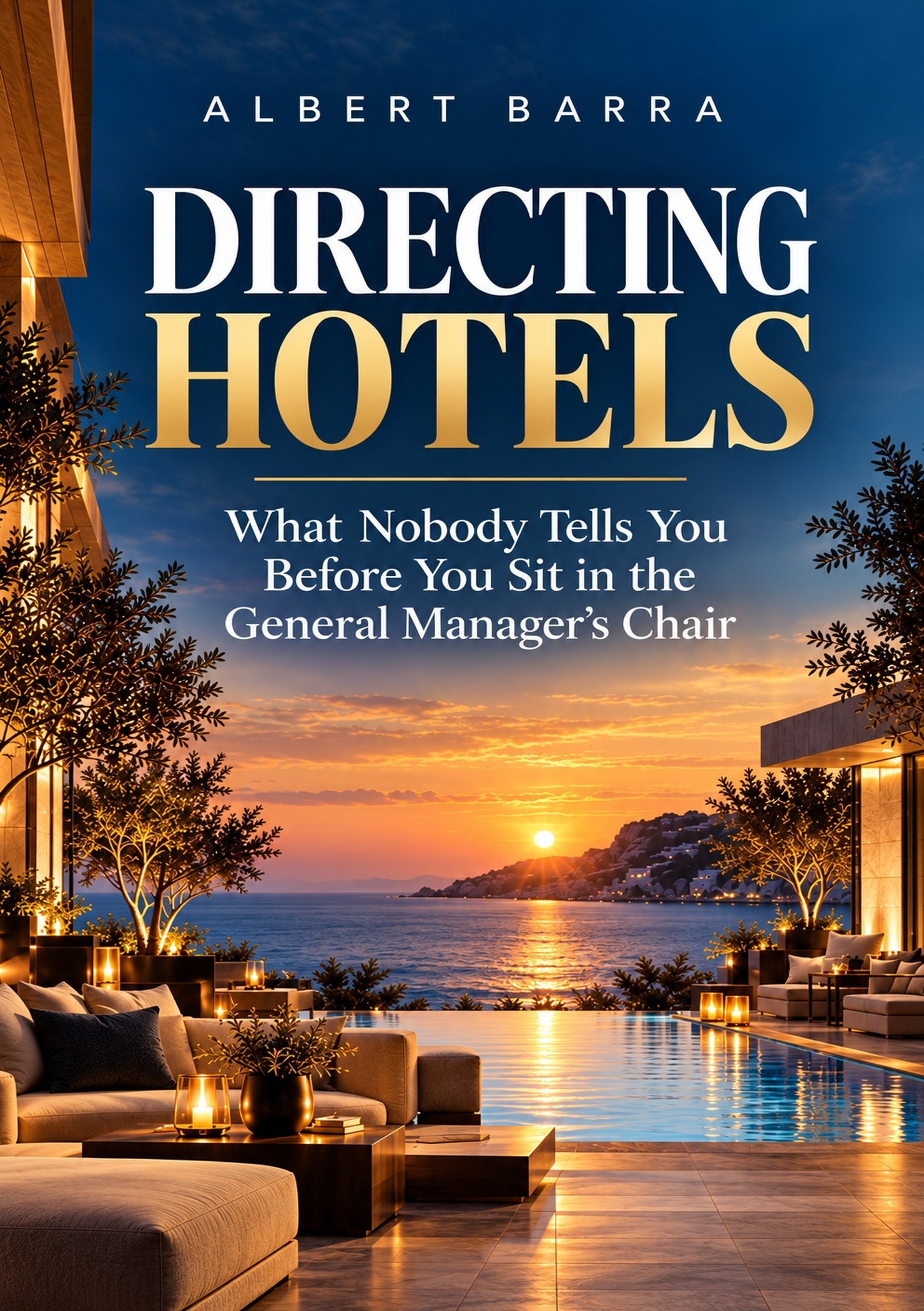 Directing HotelsWhat Nobody Tells You Before You Sit in the General Manager’s Chair
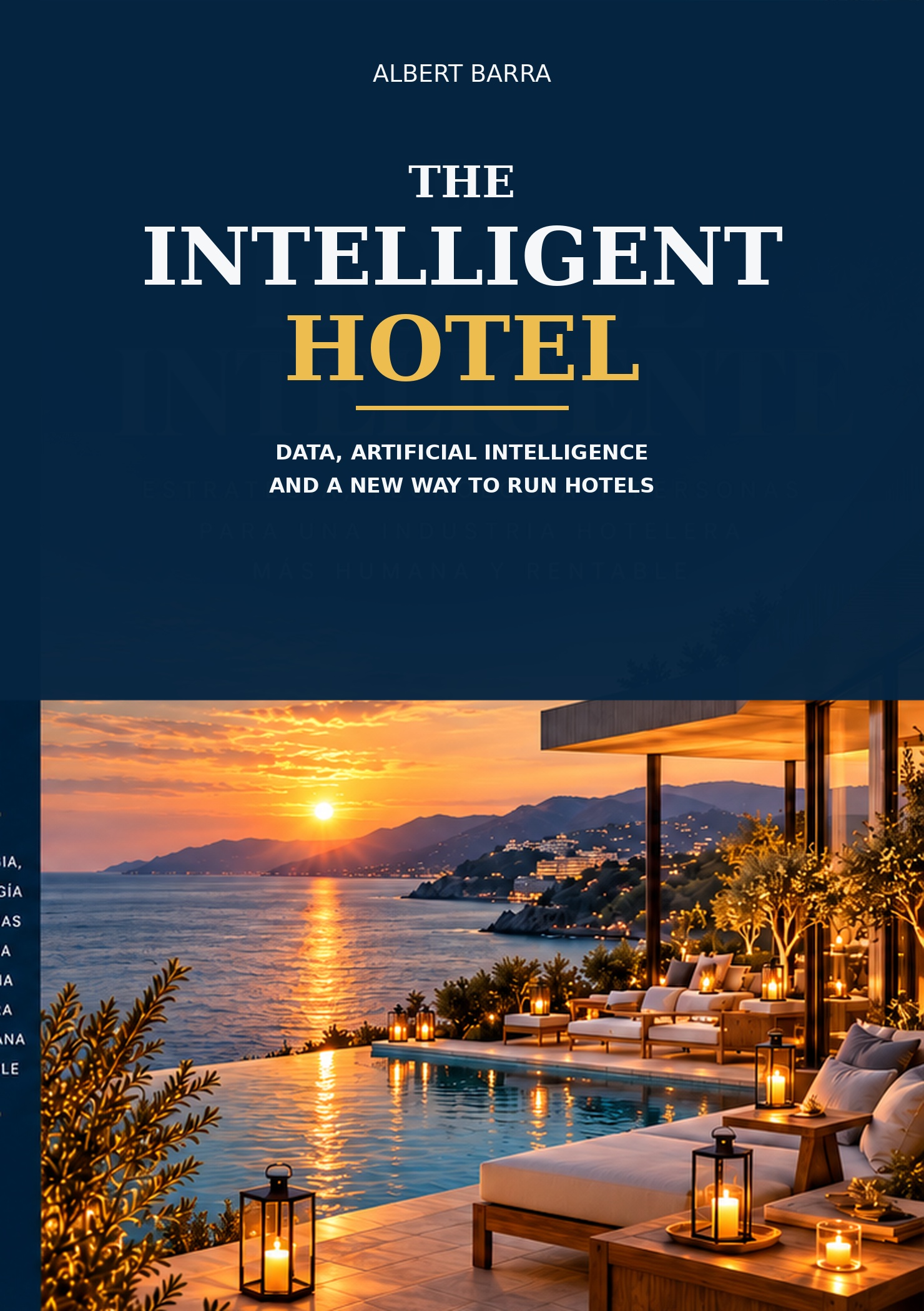 The Intelligent HotelData, Artificial Intelligence and a New Way to Run Hotels
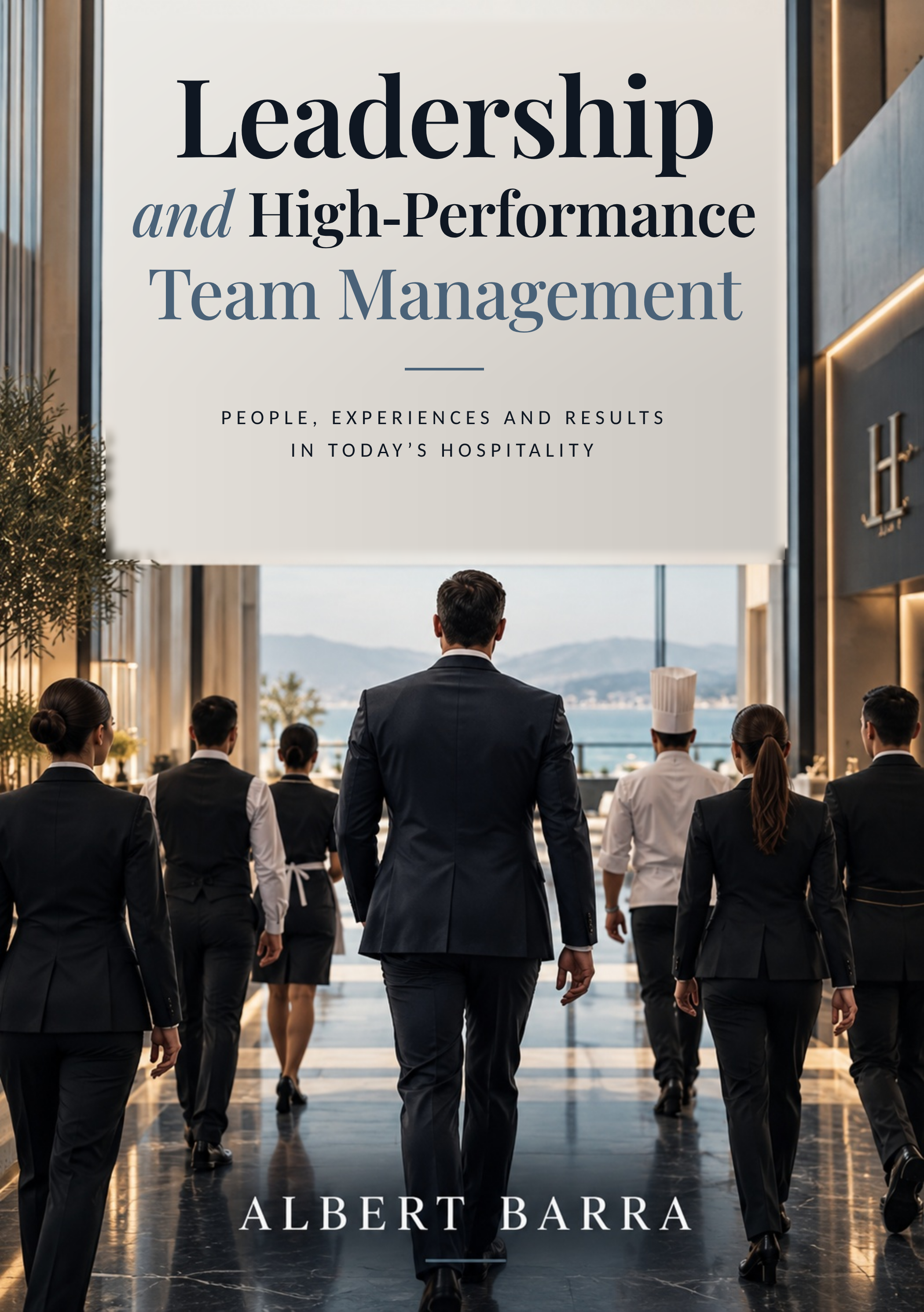 Leadership and High-Performance Team ManagementPeople, Experiences and Results in Today\\\'s Hospitality
 The Guest JourneyDesigning Customer Experience Across the Entire Hotel Journey
In one of my projects, we introduced recycling and reuse practices across all departments. We communicated these initiatives to our guests through signage and conversations with staff. To our surprise, we not only enhanced our reputation, but also managed to reduce operating costs.
Revenue management and operational flexibility
Competing with class also requires mastery of Revenue Management. The goal is not simply to fill the hotel at the highest possible rate, but to do so in a way that maximises both revenue and guest satisfaction. In my experience, this calls for a flexible, analytical approach:
- Market segmentation: Every guest has different priorities. Some value luxury, while others seek a competitive rate. Identifying and addressing these differences is key to designing effective pricing strategies.
- Inventory optimisation: Dynamically adjusting rates according to demand can make a significant difference. Sound analysis of occupancy patterns and historical data supports intelligent decision-making.
To conclude, I would like to share three pieces of advice that have been fundamental along this journey:
- Active listening: Whether through guest feedback or team meetings, listen to understand, not to respond. This practice will help you identify opportunities and improve continuously.
- Be consistent with your values: Authenticity and integrity are the foundation of trust. Never sacrifice quality for quick results, as the long-term cost will be far greater.
- Embrace a mindset of continuous innovation: The hotel market is constantly evolving. Stay current with trends and technologies, but do not be swayed by every fad; adopt only what aligns with your vision.
Competing with class and style is not a goal achieved overnight, nor is it a task that ever ends. It is an ongoing journey, full of challenges and lessons, where each day brings a new opportunity to improve, innovate and leave a positive mark on those who place their trust in us. I have learned that true success does not lie solely in record occupancy figures or high ratings on digital platforms, but in the stories guests take away with them—stories born from small details and genuine service.
Looking back, the periods of greatest growth have always been those in which I faced unexpected challenges. There were difficult decisions, mistakes that left profound lessons and, above all, a team that never ceased to inspire me with its commitment and passion. That is why I am convinced that the key to competing with class lies in building authentic relationships: with guests, employees and the community. Without this human approach, any strategy loses its strength and purpose.
In my day-to-day work, I try to remember that every interaction, every operational decision and every technological innovation must serve the purpose of creating memorable, sustainable experiences. Sometimes, that means pausing for a moment and listening, whether to a guest sharing feedback or to a team member proposing an improvement. Competing with class is not only about maintaining a standard, but about exceeding it with humanity and vision.
If this industry has taught me anything, it is that the impact of our work extends beyond our hotel doors. Every guest who leaves with a smile, every employee who grows within the organisation and every community that benefits from our presence are reminders that we are building something greater than ourselves. And that, at the end of the day, is true style: competing while leaving a lasting mark on people and on the world around us.
This article ends here. The archive does not.
Lead Hospitality brings together 1200 English articles published since 2018: years of experiences, decisions and lessons you can keep exploring.
What would you like to explore next?
Choose a direction and keep reading around what you want to solve, learn or challenge.