
The Power of Today’s Consumers: Authenticity or Irrelevance in the Digital Age



The rise of social media and technologies powered by artificial intelligence (AI) has completely transformed the relationship between brands and consumers. This not only redefines the rules of the game, but also requires businesses to embrace new principles: authenticity, ethics and constant dialogue.
From passive messaging to active dialogue
The era of traditional media allowed brands to shape their personality and communicate it without interruption or immediate feedback. It was a closed system that worked well while consumers had no tools to participate in the conversation.
Today, digital platforms have democratised this dynamic. Consumers do not simply consume messages; they challenge them. A social media review, a critical comment or even a simple emoji can alter the perception of a brand within minutes. This shift has empowered the customer and requires businesses to be more transparent and accountable for what they communicate and do.
However, this transparency comes at a cost: any attempt at manipulation or lack of authenticity can trigger a crisis of trust. For this reason, honesty and commitment to the brand’s genuine values are non-negotiable. Authenticity is not only expected; it is demanded.
The role of AI: opportunity and ethical challenge
Artificial intelligence has enabled tools that allow brands to personalise the user experience as never before. From using algorithms to offer content tailored to consumer interests to synthetic voice technologies that mimic human intonation, the possibilities are almost limitless.
But this capability brings new challenges. For example, is it ethical to use a voice deepfake in a corporate podcast without informing the audience? Legally, there may be no issue, but the ethical dimension is entirely different. If consumers discover they have been misled, trust will quickly erode, and rebuilding that credibility will be a titanic task.
Brands must understand that trust is the most valuable asset in this new landscape. Using AI tools to improve processes or personalise experiences is appropriate, provided it is done with transparency and respect for customers.
The consumer’s “global megaphone”
In the past, a dissatisfied customer could share their experience with a limited circle. Today, a single social media post can go viral and reach global audiences. This means every interaction counts, every response matters and every action must align with the brand’s values.
Books to run a hotel with judgement
Written from the general manager’s chair: technology, guest experience, leadership and management.
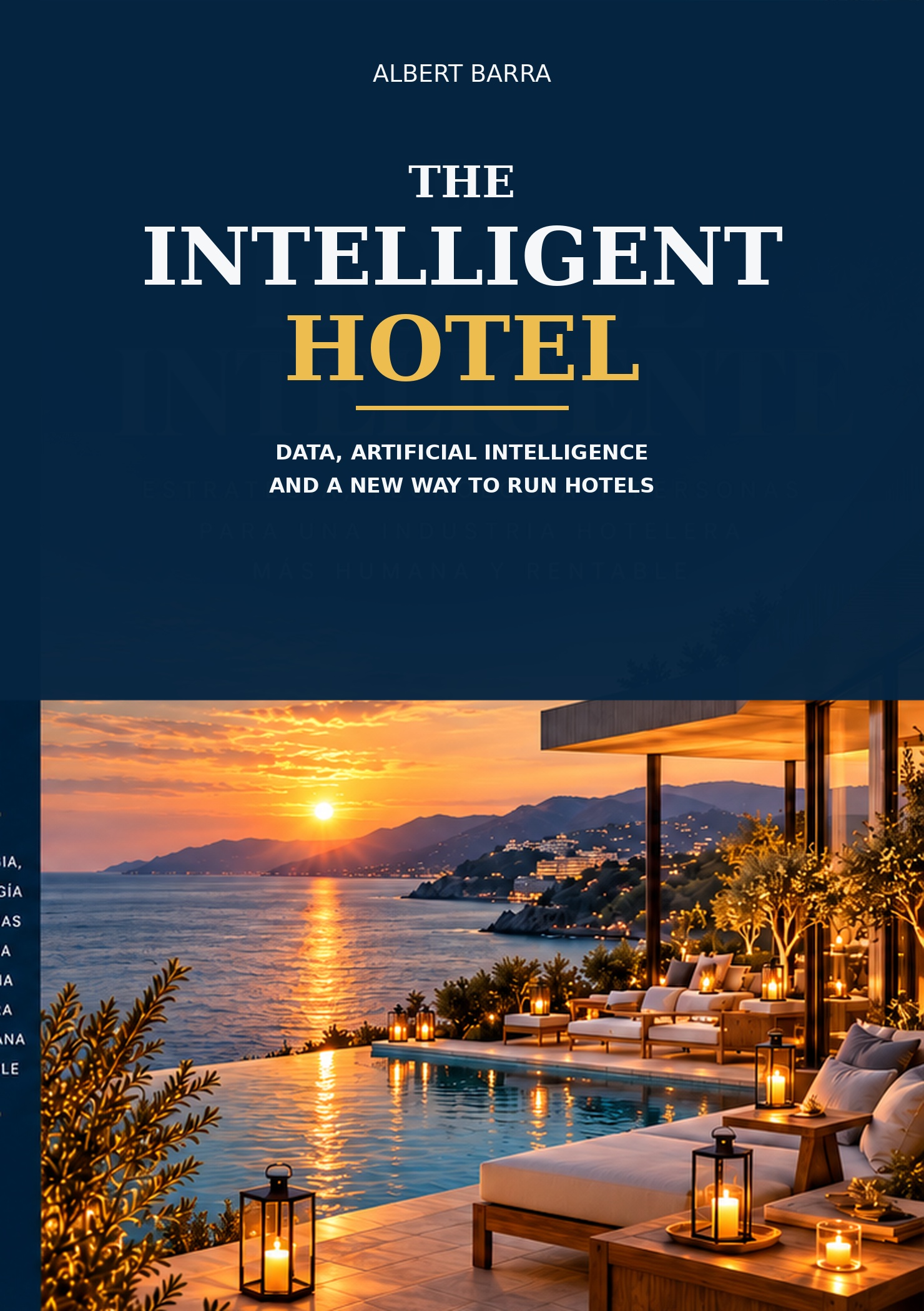 The Intelligent HotelData, Artificial Intelligence and a New Way to Run Hotels
 Directing HotelsWhat Nobody Tells You Before You Sit in the General Manager’s Chair
 Leadership and High-Performance Team ManagementPeople, Experiences and Results in Today\\\'s Hospitality
 The Guest JourneyDesigning Customer Experience Across the Entire Hotel Journey
For example, a customer who spends an hour on hold with a telephone customer service centre may express their frustration on Twitter, generating hundreds or thousands of negative interactions. Yet that same consumer who receives a swift, personalised response can become a brand ambassador. Service is no longer an isolated channel; it is a direct extension of branding.
Five key strategies for succeeding in the digital era
To adapt to this changing environment, brands must rethink their approach from the core. Here are some key principles:
- Make transparency a core value: Consumers value an honest apology more than an elaborate excuse. Acknowledging mistakes and communicating solutions reinforces trust.
- Embed ethics in the use of technologies such as AI: It is not only about what technology can do, but what it should do. Transparency around the use of tools such as deepfakes or personalised algorithms is essential.
- Listen and act: Social media is a goldmine for understanding customer needs and expectations. However, active listening is useful only when it translates into concrete action.
- Invest in sustainability and shared values: A 2023 Booking.com report found that 78% of travellers seek sustainable travel options, and many are willing to pay more for them. Incorporating sustainable practices is not merely a marketing strategy; it is a competitive necessity.
- Turn every interaction into an opportunity to connect: From social media comments to post-purchase follow-up emails, every touchpoint should reinforce the brand’s identity and values.
Navigating the world of branding in the digital era is not without its challenges, but it also offers immense potential. Brands that embrace an approach centred on transparency, authenticity and responsibility will not only survive these times of change, but will lead the way towards a future in which branding is not a superficial construct, but a genuine reflection of what a business truly is.
To conclude this analysis, I would like to emphasise that, in the digital era, the key is not to control the narrative, but to participate actively in it. Every interaction—whether on social media, through a chatbot or in an in-person experience—helps shape the perception of your brand. Your strategy must therefore focus on aligning every touchpoint with your company’s authentic values, understanding that trust is an asset cultivated and protected every day.
A fundamental aspect is the ethical management of emerging technologies, such as artificial intelligence. More than tools, these technologies are extensions of the brand experience and must be used with care. Consumers are not only seeking efficiency; they also want to know that brands operate with integrity. Being transparent about how these tools are used to personalise experiences or improve processes is not optional: it is a necessary commitment to strengthening customer relationships.
In addition, remember that sustainability and shared values are taking on a central role in consumer decision-making. Incorporating responsible practices is not simply an altruistic gesture, but an essential commercial strategy in a market where people expect brands to have a positive impact on the world. Consumers are willing to pay more for brands that reflect their values, making sustainability a powerful competitive advantage.
The challenge, of course, is considerable. Brands seeking to thrive in this environment must have the courage to be vulnerable, to acknowledge mistakes and learn from them. In a landscape where the customer has the “global megaphone”, humility and the ability to respond authentically are more valuable than any advertising budget.
Ultimately, the future of branding lies in the hands of those brands that understand that authenticity is not designed; it is lived and demonstrated day by day. If you want to stand out, do not merely tell a story—live that story in every aspect of your operation. Because at the end of the day, the best marketing campaign will always be the real experience your customers share with the world.
This article ends here. The archive does not.
Lead Hospitality brings together 1200 English articles published since 2018: years of experiences, decisions and lessons you can keep exploring.
What would you like to explore next?
Choose a direction and keep reading around what you want to solve, learn or challenge.