
Do I Really Need Gum with My Fuel?

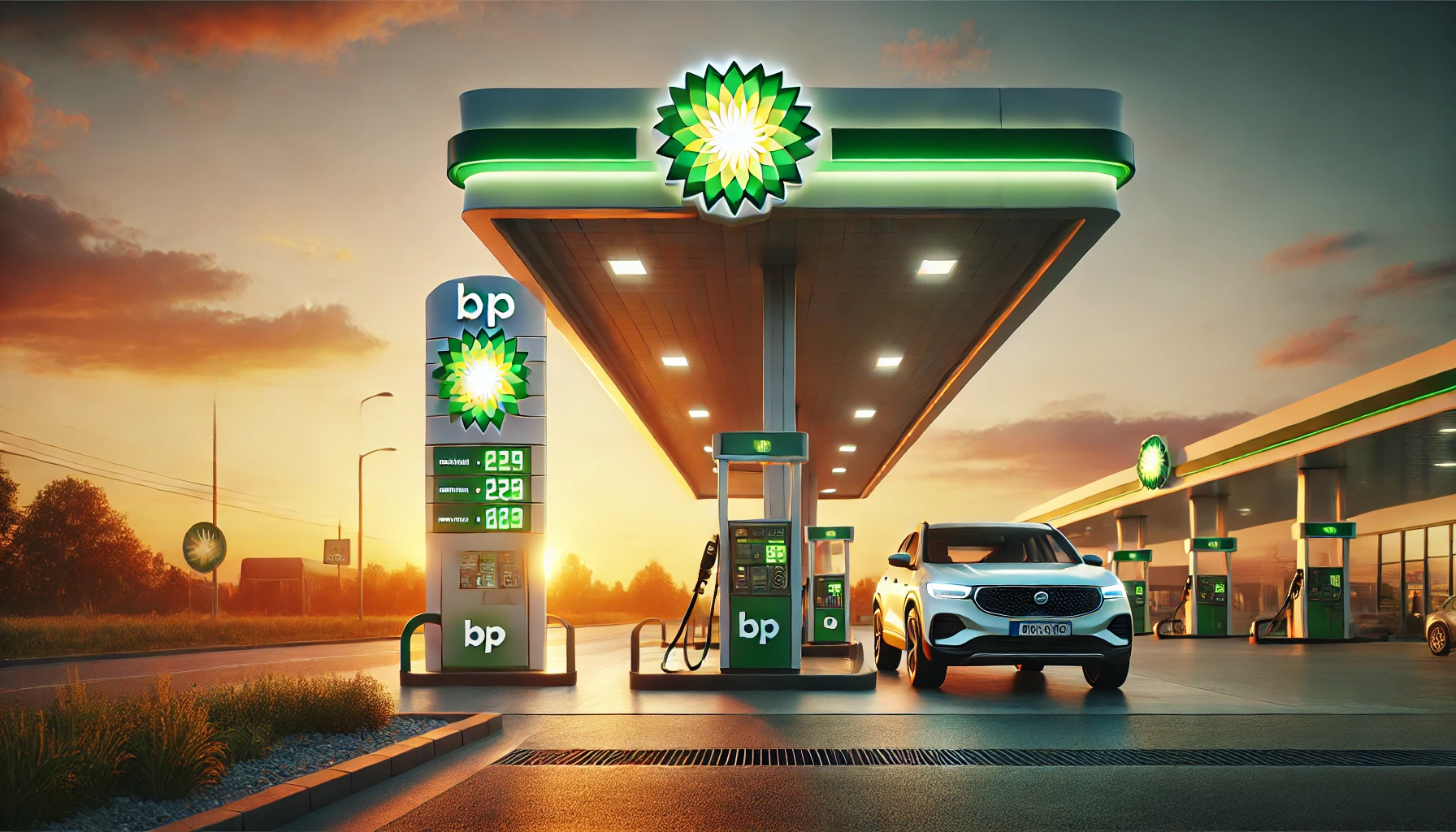

Every time I pull into a BP petrol station, I know exactly what is going to happen. It does not matter how rushed I am or how many times I have been there before; the ritual never changes. The moment I say, "€40 of unleaded 95, please," the sales interrogation begins. do they really believe this improves the customer experience?
— "Unleaded 95?... Would you not prefer to try 98, which takes better care of your engine?"
— "Do you have a BP card?... And the app?"
— "Would you like to get one?... You get €5 of free fuel."
— "Some chewing gum for just €1?"
The insistence on selling more, at any cost, has turned a simple stop into an exercise in patience. This is not personalised service, but a repetitive script designed to extract every last cent from each customer, regardless of the context. What if I am in a hurry? What if I have had a bad day? What if I simply do not want to hear the same old pitch? This is where poorly executed sales strategies stop being effective and begin to create the opposite effect: fatigue, rejection and even a desire to avoid the establishment in future.
Every time I walk through the door of a BP petrol station, I feel as though I am entering a parallel reality where time stands still and the employee, with a mechanical smile and perfectly rehearsed cadence, recites their sales mantra regardless of what is happening around them. It is not their fault, I know; they are simply following a corporate protocol designed to squeeze every last cent from each customer. But what these processes forget is that customers have something even more valuable than money: time.
A Sales Technique or a Commercial Siege?
I have nothing against a well-executed sales strategy. In fact, in the hotel industry, where upselling and personalisation are key, I fully understand the value of a good recommendation that genuinely adds value for the customer. But here is the problem: there is no personalisation, only repetition.
The questions are not based on my purchase history or on a genuine conversation. They are an automated sequence that does not distinguish between a customer who visits every day and one who is there for the first time. The experience becomes impersonal and, at worst, irritating.
Let us imagine for a moment what it would be like if we applied this same interrogation model in a hotel:
- Receptionist: “Welcome. Would you like to upgrade to a sea-view suite?”
- Guest: “No, thank you, I am in a hurry.”
- Receptionist: “Do you have our loyalty card?”
- Guest: “No, I am not interested.”
- Receptionist: “If you sign up, we will give you 10% off your next stay.”
- Guest: “I just want my room.”
- Receptionist: “Would you like to add breakfast for just €5 more?”
The result would be a cold and exhausting experience. The guest would feel that they were not an individual with unique needs, but a number on a list of sales attempts. And that is exactly what happens at BP petrol stations.
We live in the age of immediacy. We want to enter and leave an establishment with as little friction as possible. Amazon has built its empire on this premise, eliminating unnecessary steps from the purchasing process. Airports have adopted self-service check-in to avoid long queues. Hotels have developed self check-in systems so guests can access their rooms without going through reception.

My published books
But at BP, the experience remains anchored in a model that prioritises sales over customer satisfaction. There is no option for quick, interaction-free payment unless you have their card. There is no option for those who simply want to pay and leave. Everything centres on the persistent refrain: “What if you try this? What if you join that?”
And here is the million-dollar question: does it really work?
Studies show that decision fatigue affects consumer satisfaction. A customer exposed to too many decisions may experience stress and, in the worst case, avoid making them altogether. It is the same reason restaurants with too many menu options can end up selling less: too many choices create paralysis.
The result? More and more people are looking for petrol stations where the experience is quicker and smoother. Not because the price is better, but because the process is less irritating.
The insistence on selling without context is a problem that goes beyond petrol stations. It also occurs in the hotel industry when sales strategies are not properly personalised. Here are some key lessons we can draw from this scenario:
- Personalisation Over Automation: If you are going to suggest an additional product, base it on the customer’s history or preferences, not on a standard script.
- Less Is More: Reducing the number of offers at a single touchpoint can improve acceptance. Rather than bombarding customers with four or five questions, why not make one clear, relevant recommendation?
- Self-Service Options: Wherever technology allows, facilitate quick, frictionless payment processes. A customer who wants speed should have that option.
- Measure and Adjust: Are these strategies meeting their sales targets? If not, it is time to rethink them.
Will I Keep Buying Fuel at BP?
Probably, yes, because sometimes location convenience outweighs the purchase experience. But every time I leave with the feeling that I have lost two minutes of my life to an unnecessary interrogation, I think: how much longer?
Sales strategies must evolve alongside consumers. In hospitality, retail, food service and, yes, petrol stations. Because if customers have to go through a frustrating experience every time they use your service, sooner or later, they will seek an alternative.
This article ends here. The archive does not.
Lead Hospitality brings together 1200 English articles published since 2018: years of experiences, decisions and lessons you can keep exploring.
What would you like to explore next?
Choose a direction and keep reading around what you want to solve, learn or challenge.