
Anticipation and Planning: Keys to Operational Excellence and Guest Satisfaction

Albert BarraAugust 9, 2025 · 3 min read
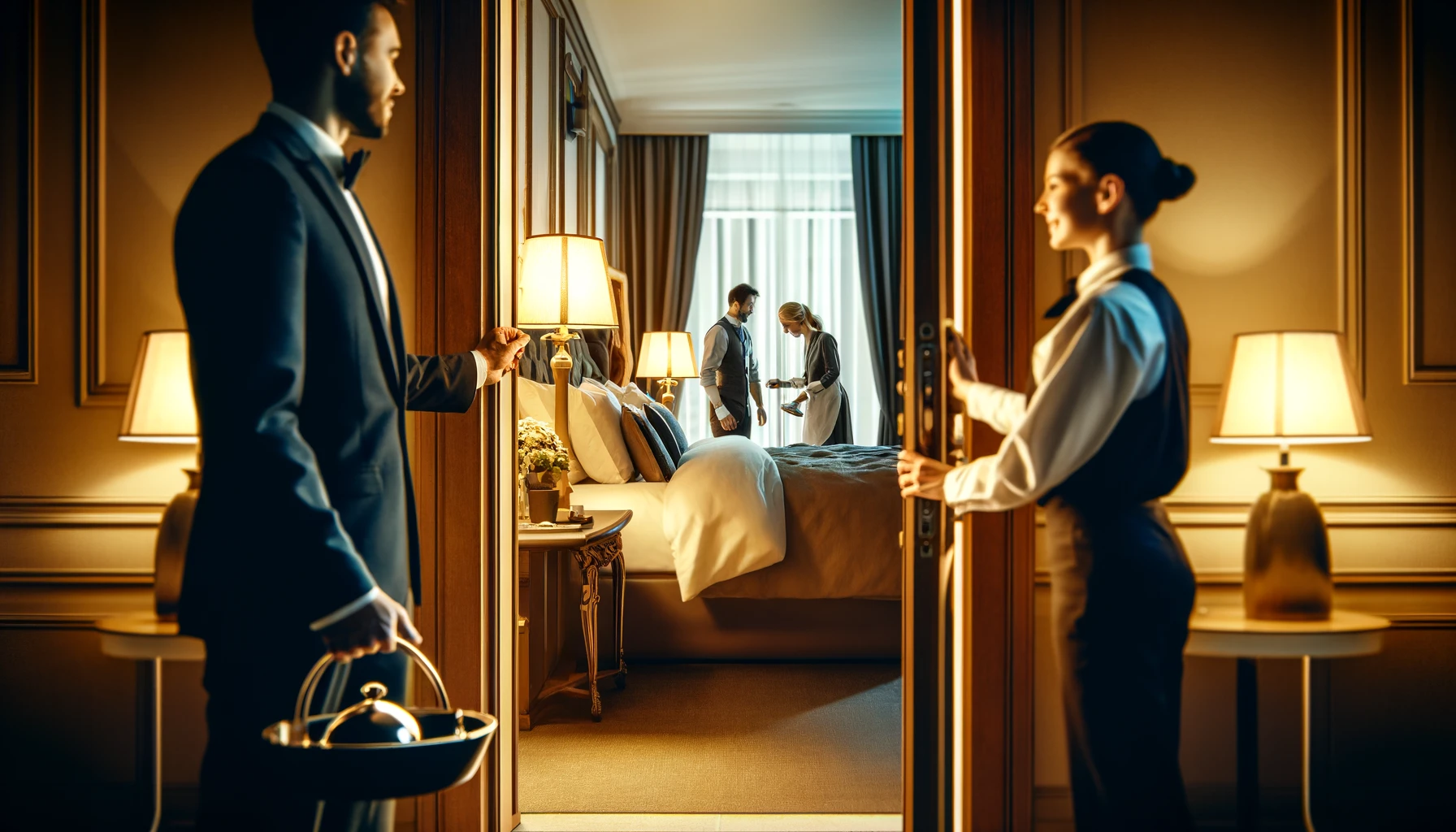

In the world of hospitality, anticipation and planning are powerful tools that can transform the guest experience and optimise day-to-day operations. By anticipating our guests’ needs and planning every detail, we not only improve their satisfaction but also maximise our resources and make the most of emerging marketing opportunities.
This ability to foresee and prepare is undoubtedly one of the cornerstones of achieving excellence in hotel management.
Anticipation begins with a deep understanding of our guests. Knowing their preferences, habits and expectations allows us to design personalised experiences that exceed them. This proactive approach not only strengthens guest loyalty, but can also differentiate our property in a competitive market.
For example, if we know that a returning guest prefers a particular pillow or type of morning coffee, ensuring these details are in place before their arrival can make a significant difference to their perception of service.
Effective planning, meanwhile, is crucial to resource management. From staff scheduling to inventory management, every aspect of hotel operations benefits from meticulous planning. Planning ahead allows us to optimise efficiency, reduce costs and minimise errors. For example, by forecasting occupancy peaks and adjusting staffing levels accordingly, we can ensure there are always enough team members to maintain high service standards without incurring unnecessary costs during low-occupancy periods.
Examples of Anticipation and Planning in Day-to-Day Operations
- Check-in and Check-out Management:
- Anticipation: Send pre-arrival emails to confirm check-in times and offer additional services such as transfers or restaurant reservations.
- Planning: Schedule front desk staff efficiently to manage peak traffic periods and avoid lengthy waits.
- Guest Preferences:
- Anticipation: Use a CRM system to record and remember guest preferences, such as room types, pillow preferences or dietary habits.
- Planning: Prepare rooms in advance according to these preferences and coordinate with the kitchen team to accommodate special dietary requirements.
- Events and Conferences:
- Anticipation: Work closely with event organisers to understand their specific needs and anticipate any special requests.
- Planning: Ensure conference rooms are properly equipped and that staff are trained to operate technical equipment and provide support throughout the event.
- Inventory Management:
- Anticipation: Monitor supply consumption rates and forecast future demand based on reservations and upcoming events.
- Planning: Place stock orders in a timely manner to avoid shortages and maintain the quality of the products offered.
- Marketing and Promotions:
- Anticipation: Analyse booking trends and guest behaviour to identify opportunities for targeted promotions or seasonal marketing campaigns.
- Planning: Develop marketing calendars that align promotions with periods of high demand and coordinate with other departments to implement these campaigns seamlessly.
Marketing Opportunities
Anticipating guests’ needs and desires also opens up a wide range of marketing opportunities. For example, offering personalised packages based on guest preferences can increase perceived value and encourage direct bookings. Likewise, using data to identify behavioural patterns allows us to create special offers that appeal to specific market segments, such as romantic getaways or family packages. A clear example is the use of local events or festivities to create themed promotions that not only attract more guests, but also enrich their experience. Imagine offering a special package during a local festival that includes tickets, transport and a themed dinner at the hotel. This type of anticipation and planning not only raises guest satisfaction, but also positions the hotel as a property that understands and values local culture."Success in hospitality is measured not only in occupied room nights, but in how we anticipate and exceed our guests’ expectations day after day."This strategic vision, centred on the guest and optimised for operational efficiency, not only enhances the guest experience but also drives profitability and sustainable business growth. Implementing these practices consistently ensures that we are always one step ahead, ready to turn every interaction into an opportunity to surprise and delight our guests.