
The False Promise of a Better Hospitality Career

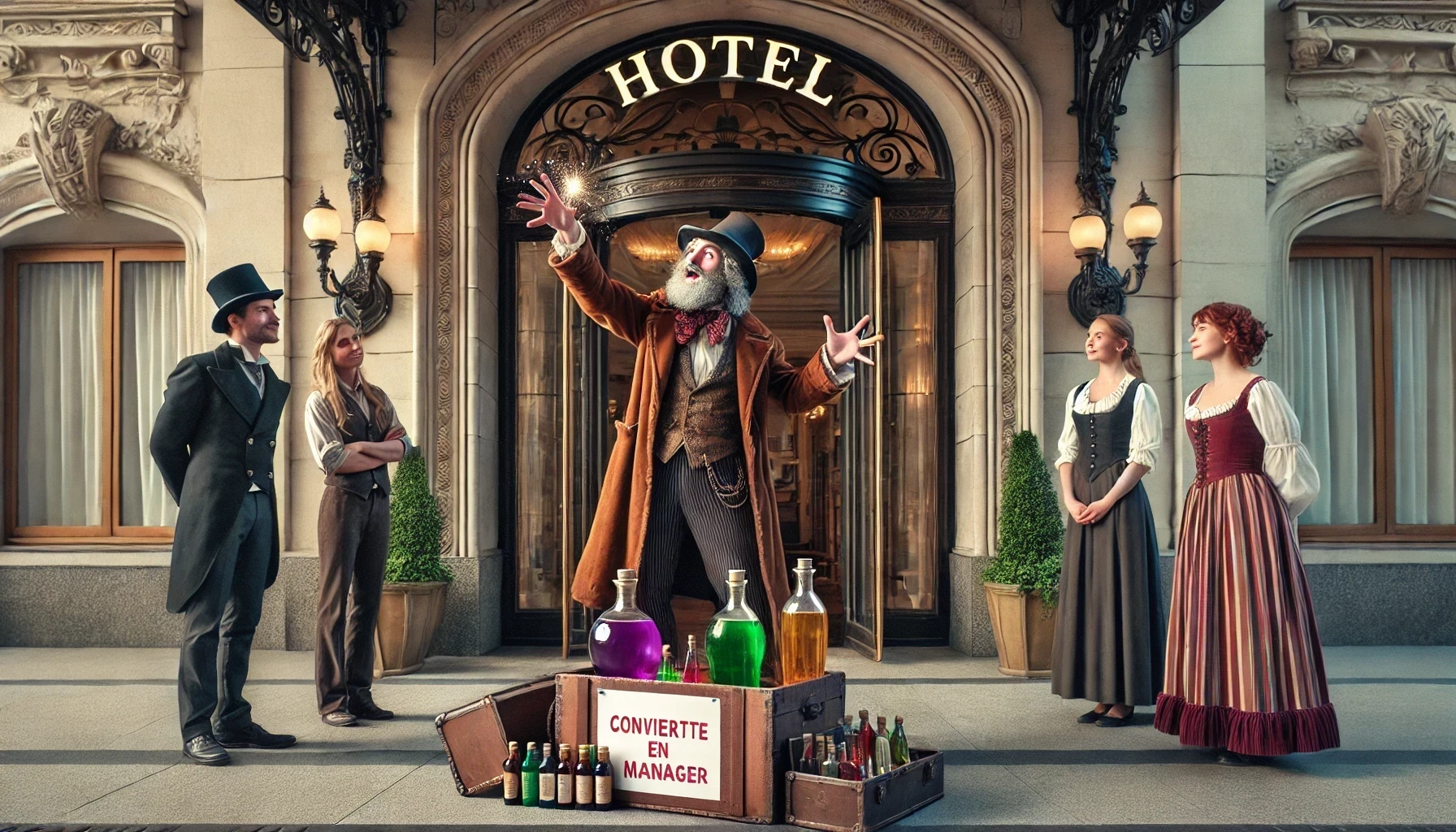

There is a worrying trend in the hotel industry that I cannot ignore without addressing it. It is becoming increasingly common to see opportunists who, taking advantage of the sector’s uncertainty and constant evolution, offer magic solutions to problems that in reality require deeper analysis. These purveyors of smoke and mirrors tend to focus on key departments such as Front Office, dramatising the current situation and painting a bleak picture solely to sell courses or seminars that promise to turn any professional into a leader in record time. I find this kind of practice, frankly, unacceptable.
I am not saying there is no room for improvement in our front office teams or other departments. Every area needs innovation and continuous training, but not through empty promises or emotional manipulation. The reality is that hospitality is evolving at a breathtaking pace, and changes in technology, people management and guest expectations require us to stay current. However, dramatising the situation in order to create an immediate need for quick fixes is counterproductive.
The situation in Front Office—which so many have portrayed as a profession in crisis—is a clear example. It is not that this role is obsolete or at risk of disappearing, as some would have us believe; rather, it is being transformed. And while it is true that new skills are needed, this does not mean that everything that came before is useless, nor that a one-week course can magically solve every challenge. As hospitality professionals, we must be very careful about whom we choose to follow and where we invest our resources.
The reality is that professional development must focus on valuable content, with realistic growth strategies aligned with the sector’s current needs. Here are some key guidelines we should consider when assessing training opportunities:
- Assess valuable content: If a course or seminar is not based on current market trends, real-life case studies or verifiable data, we should be wary. Any training that does not include in-depth analysis, statistics and a clear vision of the future is remaining superficial. According to a study by the World Tourism Organization (UNWTO), demand for digital skills in hospitality has grown by 23% over the past five years, and any training that ignores this trend is not fulfilling its purpose.
- Develop soft skills: While technology plays a fundamental role, interpersonal skills remain key in Front Desk. The ability to communicate effectively, show empathy and solve problems remains essential to the guest experience. A recent Deloitte report notes that, despite automation, 74% of guests still value human interactions as essential to a memorable stay.
- Be wary of quick fixes: Professional development in hospitality is not about “transforming yourself” in a matter of weeks. Capabilities are cultivated over time. The promise of “becoming a leader in record time” is nothing more than a mirage. There are no shortcuts to becoming an expert in hospitality.
- Adapt to the needs of today’s guest: A seminar that does not address the impact of new guest expectations, such as the demand for personalised experiences and the use of mobile technology, is losing its way. Recent studies show that 65% of guests prefer hotels that offer contactless interaction options, such as digital check-in/check-out, but this does not mean that the receptionist is no longer relevant. Their role is evolving towards a more consultative, experience-oriented approach.
This is where something I consider fundamental for every hospitality professional comes into play:
“Not everything that glitters is gold, and not all training is synonymous with progress. In our sector, learning to question is as important as learning to manage.”
Lead Hospitality LibraryMy published books
Directing HotelsWhat Nobody Tells You Before You Sit in the General Manager’s Chair→The Intelligent HotelData, Artificial Intelligence and a New Way to Run Hotels→Leadership and High-Performance Team ManagementPeople, Experiences and Results in Today\\\'s Hospitality→See all booksDigital edition · Personal licence · Free or discounted for subscribers

Questioning what kind of training we truly need makes us wiser hoteliers. The idea is not to reject change, but to ensure that the steps we take lead us towards genuine improvement. Adaptability is key, but it must be grounded in sound knowledge, not false promises.
Drawing on my experience and my observations of today’s dynamics, I would like to share a few points that I consider essential for those of us who manage hotels or key departments:
- Never let fear guide you. Some will try to sell you courses or seminars based on fear: fear of losing your job, of failing to meet expectations, or of technology making you obsolete. We must remember that hospitality is about people, and there will always be room for those who know how to create a memorable experience.
- Do your research. Before enrolling in any kind of training, investigate it. Who delivers it? What are their credentials? What are their promises based on? A simple search can save you time and money.
- Choose continuous learning, not shortcuts. Meaningful change requires time, effort and practice. Genuine training takes place continuously, through strategies that allow us to gradually implement knowledge in our day-to-day operations.
- Find the balance between technology and humanity. While automation and digitalisation are transforming the sector, we must never forget that guests seek a human, personalised and authentic experience. This is where a well-trained front office team makes the difference.
The future of hospitality does not lie in dismantling key roles or accepting quick, superficial solutions. It is our responsibility as hoteliers to analyse, question and train ourselves in a robust and responsible manner. There are many paths ahead, but none is more valuable than one founded on integrity, real knowledge and sustainable growth.
Ultimately, as I said before: “Not everything that glitters is gold.”
This article ends here. The archive does not.
Lead Hospitality brings together 1200 English articles published since 2018: years of experiences, decisions and lessons you can keep exploring.
What would you like to explore next?
Choose a direction and keep reading around what you want to solve, learn or challenge.