
Fewer Guest Touchpoints, Greater Impact in the Digital Age

Albert BarraSeptember 3, 2025 · 3 min read
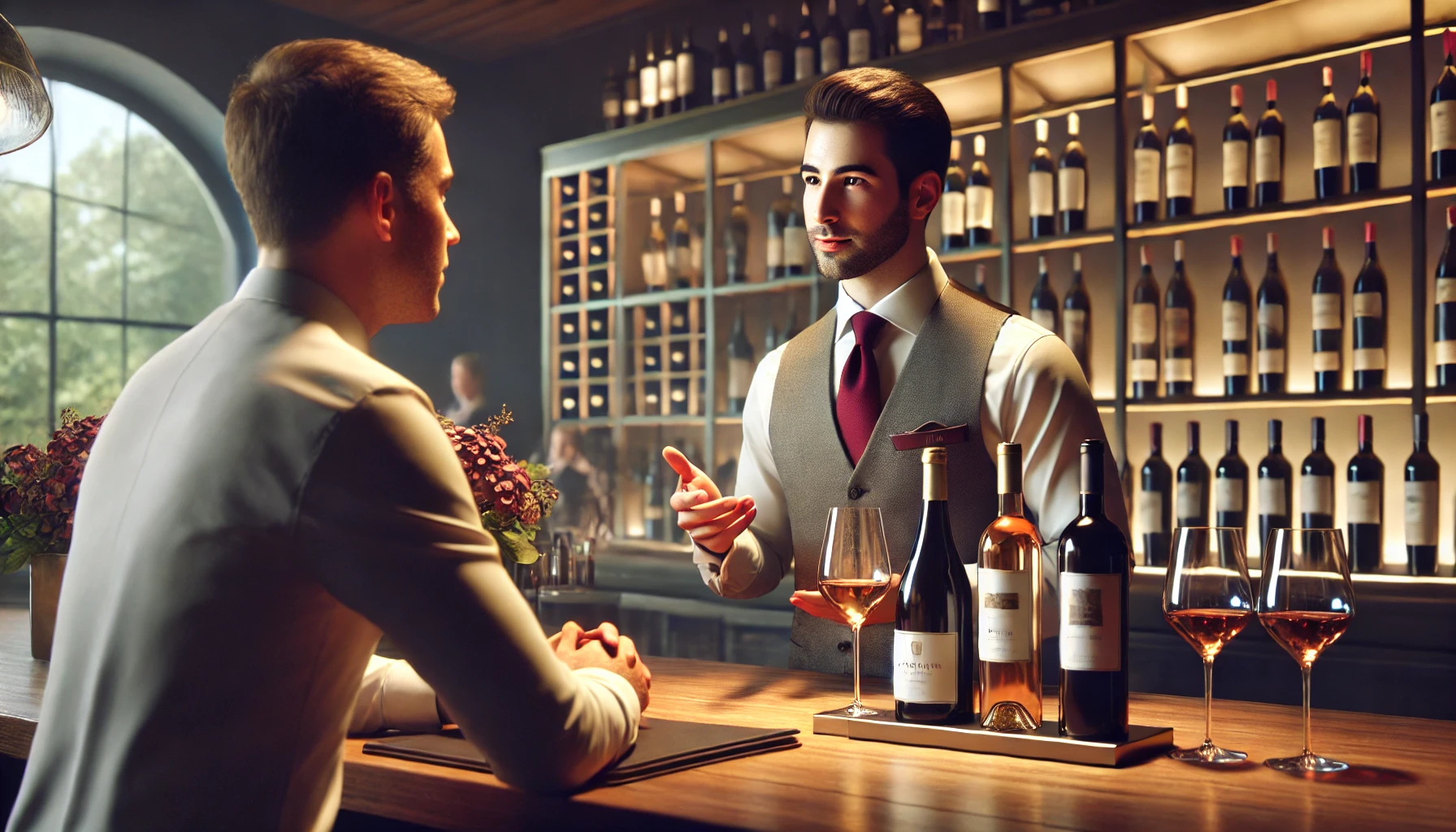

There was a time when hospitality was defined by human interaction at every stage of the guest journey. From the first phone call to make a reservation to check-out and a friendly conversation at reception, every touchpoint was an opportunity to connect, personalise and create a memorable experience. But times have changed, and digitalisation has radically reshaped the dynamics of hotel interactions.
Today, automation has eliminated many of these moments. Reservations are made online, guests can check in from their smartphones, find destination information on Google and even order food to their room without speaking to anyone. Technology has streamlined operations, but it has reduced the number of interactions between the hotel and the guest.
This transformation has created a major dilemma for hoteliers: How can we continue to deliver personalised service when there are fewer opportunities for contact?
In a world dominated by technological efficiency, the key to hotel success remains the same: the emotions guests experience at the hotel. The major difference is that we now have fewer opportunities to influence those emotions, which means that every one of them must be flawless.[cre_gate]
In a world dominated by technological efficiency, the key to hotel success remains the same: the emotions guests experience at the hotel. The major difference is that we now have fewer opportunities to influence those emotions, which means that every one of them must be flawless.[cre_gate]
The Disappearance of Traditional Interactions and the Risk of Disconnection
Let us look at how digitalisation has reduced the traditional touchpoints between guests and hotels:- Reservations and Pre-Arrival In the past, guests would call to book and reconfirm their stay. These calls were a golden opportunity to build trust, personalise the stay and close additional sales. Today, most reservations are made through OTAs or the hotel website, reducing human contact at this stage.
- Check-in and Welcome Although some guests still prefer to check in at reception, an increasing number opt for online check-in. This saves time, but it also removes the opportunity to create a warm, personalised first impression.
- Destination Enquiries and Local Experiences Google, TripAdvisor and Yelp have replaced the traditional concierge. In the past, guests relied on hotel staff for local recommendations. Now, many prefer to search on their devices, reducing the need to ask.
- Interactions During the Stay Services such as mobile apps, virtual assistants and instant messaging allow guests to make requests without speaking to anyone. They can request extra towels, book a table in the restaurant or order room service without interacting with staff.
- Check-out and Farewell The delivery of electronic invoices has reduced the number of guests who visit reception when departing. The opportunity to say goodbye and thank them for their stay in person has declined dramatically.
- Post-Stay Service Online reviews have replaced direct feedback. In the past, guests shared their opinions face to face; now, many of their impressions are posted on digital platforms, with no opportunity for an immediate response.
New Opportunities: Maximising Every Remaining Interaction
Despite the reduction in traditional touchpoints, key moments remain where hotels can differentiate themselves. These moments now carry greater weight because they represent rare opportunities to create a positive, memorable impact.1. Reservations and Pre-Arrival: Turning Enquiries into Sales Opportunities
When a guest takes the time to call or send an email before arriving, they are giving the hotel a unique opportunity. However, many reservations and front desk teams are not prepared to make the most of that contact.