
The Ghost Hotel Syndrome: How to Bring Life Back to Empty-Feeling Hotels

Many hotels look immaculate but still feel lifeless. The ghost hotel syndrome describes the emotional emptiness guests sense in spaces with no energy or soul. Addressing it means creating activity, humanising the guest experience, designing welcoming environments, empowering staff as genuine hosts, and activating shared spaces through local connections, events, food and art.
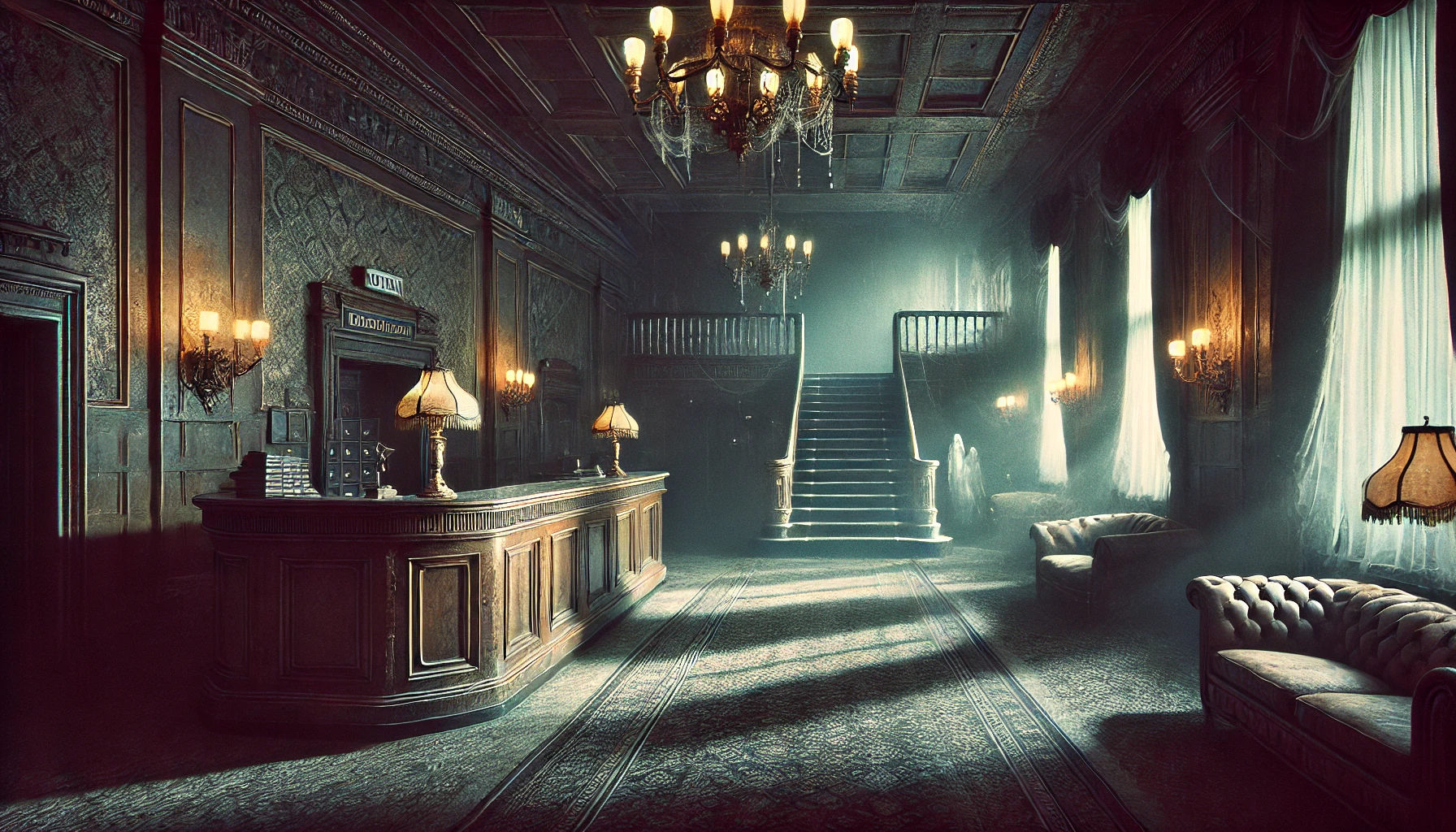

I have walked through too many hotels where the silence weighs heavier than the décor. Immaculate lobbies with no soul, empty restaurants with waiters waiting for guests who never arrive, corridors where the only sound is the footsteps of a solitary guest. This sense of emptiness, of uninhabited space, is what I call the ghost hotel syndrome. It is not merely about low occupancy, but something deeper: a hotel that, even with guests, seems devoid of life.
How can this phenomenon be addressed? The answer lies not only in marketing strategies or aggressive promotions, but in a combination of ambience, service, activated spaces and emotional management. Let us explore how to transform a ghost hotel into a vibrant, energetic space.
Keep reading without waiting for the next reset
Your free access includes 6 reads per week. Subscribe to continue now.