
The Halo Effect in Hospitality: How Guest Perception Shapes Experience and Loyalty

Guest perception is shaped by more than a hotel’s tangible quality—it begins with the overall impression formed from the very first interaction. The Halo Effect plays a crucial role: one positive element, such as a warm welcome, elegant design or seamless service, can influence how guests evaluate their entire stay. Understanding this principle helps hoteliers create memorable experiences that strengthen guest loyalty and maximise satisfaction.
From staff hospitality to lobby ambience, every detail can reinforce a positive perception that influences whether guests return and recommend the hotel. However, the Halo Effect can also work against a property: a poor first impression can negatively colour the entire stay, regardless of service quality. This makes perception management a key strategy in modern hospitality.
To learn how to apply neuroscience to enhance the guest experience and build loyalty, discover the course “Neuroselling Applied to Hospitality: The Science of Selling More and Building Stronger Loyalty.” It explores how guests make decisions and the tactics that can help turn every stay into an unforgettable experience.
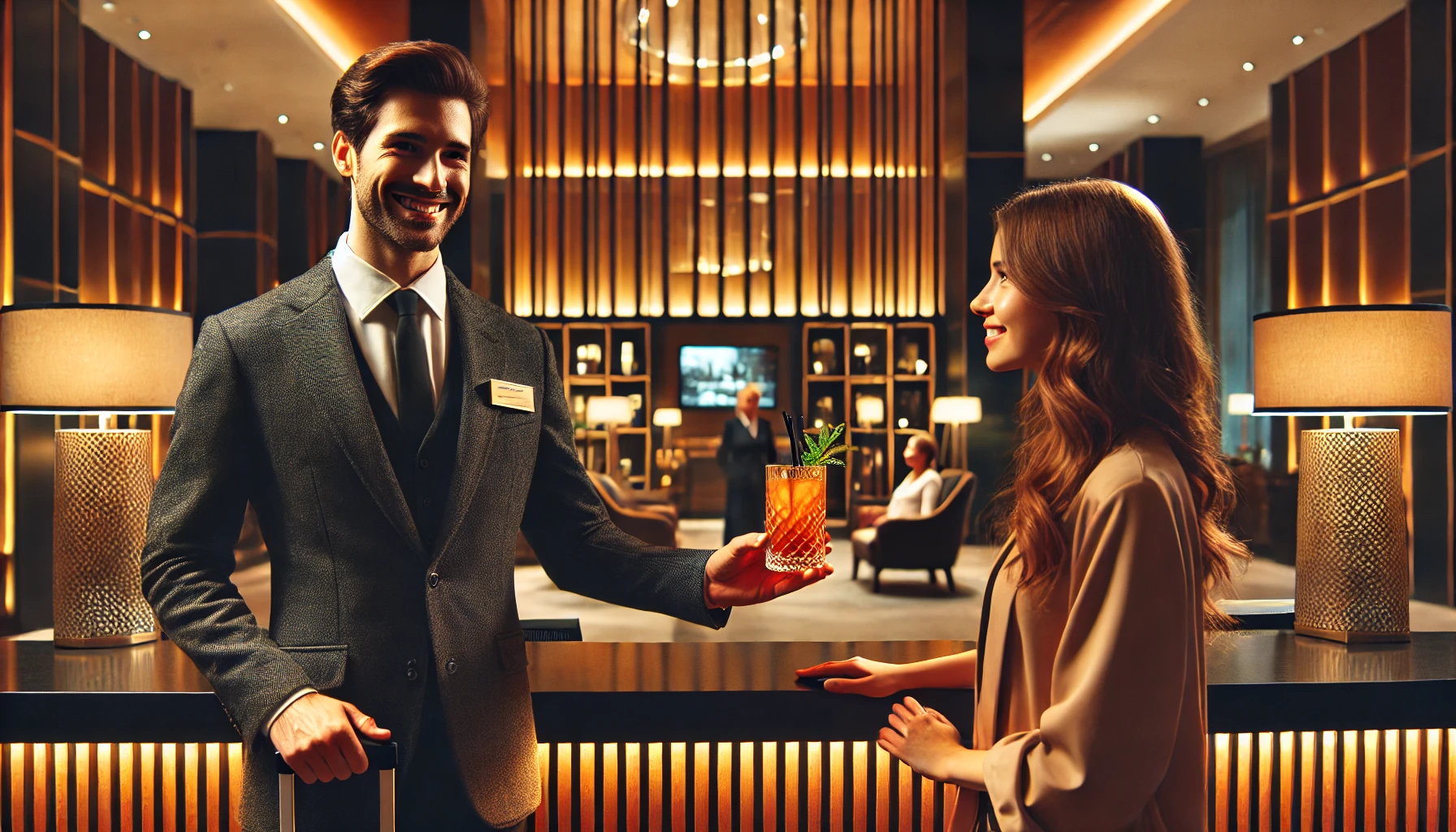

The world of hospitality is not governed solely by measurable quality standards or tangible services; it is also deeply influenced by the psychology of perception. In this context, the Halo Effect plays a decisive role in how guests evaluate their stay. This cognitive bias means that a positive first impression—whether created by the lobby design, the warmth of the staff, or the excellence of a particular service—extends to the rest of the experience, influencing even the assessment of unrelated aspects. In hospitality, where emotions and expectations are key, understanding this phenomenon can make the difference between a satisfied guest who returns and one who does not.
In a sector where competition is fierce and guest loyalty has become an increasingly significant challenge, the way guests perceive their stay can carry more weight than the objective quality of the services offered. A guest who receives exceptional service on arrival is more likely to overlook minor inconveniences during their stay. Conversely, a poor first impression can negatively colour their entire perception of the hotel, regardless of how efficient operations may be or how comfortable the facilities are. This phenomenon is not merely a psychological curiosity; it is a critical factor in hotel management and in optimising the guest experience.
The insight is just beyond this page
Unlock the complete analysis instantly for 1,00 EUR. One-time payment, no renewal.