
Lead Hospitality

How the Three Brains Shape Hotel Choice

THE IDEA

Understanding how travellers make decisions is essential for hotels competing in a crowded market. According to Paul MacLean’s three-brain model, every hotel booking is influenced by three levels of thinking: the reptilian brain, which prioritises safety and comfort; the limbic brain, which responds to emotion and brand connection; and the neocortex, which weighs rates, benefits and reputation before booking. Hotels that engage all three through their communications and guest experience can attract more guests and build longer-term loyalty.
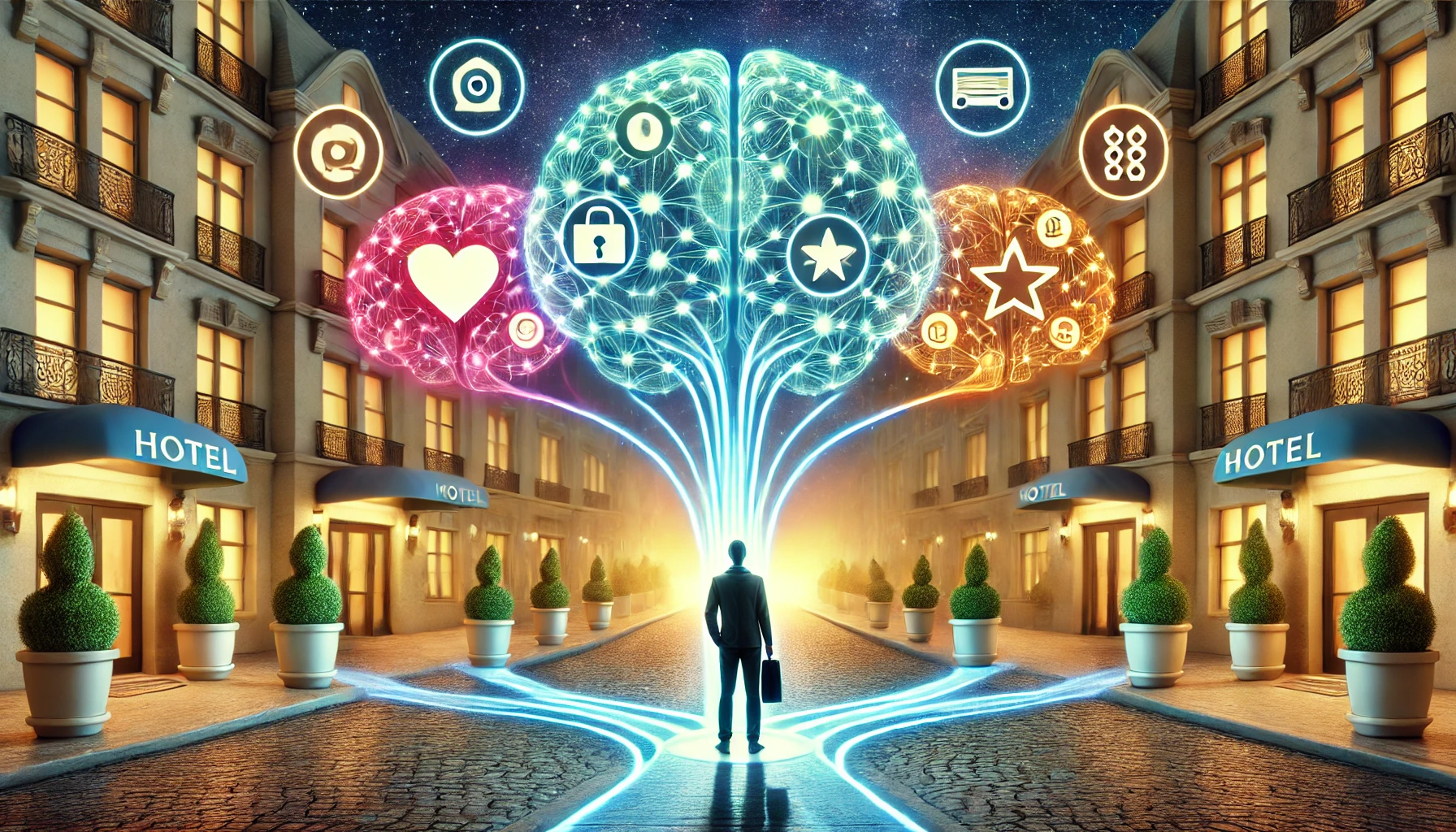

Understanding how travellers think and make decisions is essential for any hotel seeking to attract more guests and build their loyalty. Yet it is often assumed that the choice of a hotel is based solely on rational factors such as price, location or amenities. The reality is that the human mind operates on multiple levels, combining primitive instincts, deep emotions and logical reasoning. This is where the three-brain model, developed by neuroscientist Paul MacLean, offers a valuable perspective for the hospitality industry. This model tells us that the human brain comprises three interconnected parts: the reptilian brain, which focuses on safety and survival; the limbic brain, responsible for emotions and emotional memory; and the neocortex, which enables rational thinking and planning. In the hotel booking process, each of these areas exerts a different influence depending on the type of traveller, their motivations and their specific needs. Understanding this dynamic makes it possible to design more effective marketing, service and guest-experience strategies to maximise conversion and loyalty. Hotels that succeed in connecting with guests on all three levels enjoy a significant competitive advantage. If a hotel conveys safety and comfort, it activates the reptilian brain; if it creates memorable experiences, it stimulates the limbic brain; and if it offers clear perceived value and rational arguments, it convinces the neocortex. By integrating these elements into their communications and service, hotels can influence travellers’ decision-making more effectively and in a way that resonates emotionally. In this article, we will explore in detail how the three-brain model influences hotel choice and which strategies hoteliers can implement to use this knowledge to their advantage. From presenting the offer to the guest experience, every interaction is an opportunity to activate the brain’s different levels and turn a simple booking into a lasting connection with the brand. According to this model, the human brain comprises three interconnected levels:
  • Reptilian brain: Makes automatic, survival-based decisions.
  • Limbic brain: Controls emotions and emotional memory.
  • Neocortex: Is responsible for rational thinking and logical planning.
Every traveller makes decisions influenced by these three levels, although, depending on their profile and circumstances, one will carry more weight in their choice. Understanding these differences allows hotels to tailor their offering and communications to attract different types of guests more effectively. 3 brains Let us look at how this model works in a hospitality context and which strategies hotels can implement to influence guests’ decisions.

The Reptilian Brain: Addressing Travellers’ Basic Needs

The reptilian brain is the most primitive of the three and is linked to survival, safety and comfort. When a traveller searches for a hotel, their reptilian instinct leads them to prioritise factors such as:

    • Safe location: Guests want to feel they are in a safe and secure environment.
    • Immediate comfort: Accessibility, comfortable beds, and clean, functional rooms are key.
    • Ease of access: A hassle-free check-in and swift processes inspire confidence.
    • Food and rest: Services such as breakfast included, food availability and soundproofed rooms can instinctively influence a guest’s decision.

Strategies to appeal to the traveller’s reptilian brain:

PREMIUM ARTICLE

Continue reading this Premium analysis

Unlock this article individually or choose a subscription that includes Premium access.