
How to Stand Out When Every Hotel Looks the Same: Strategies to Lead a Crowded Market

Albert BarraDecember 27, 2024 · 13 min read
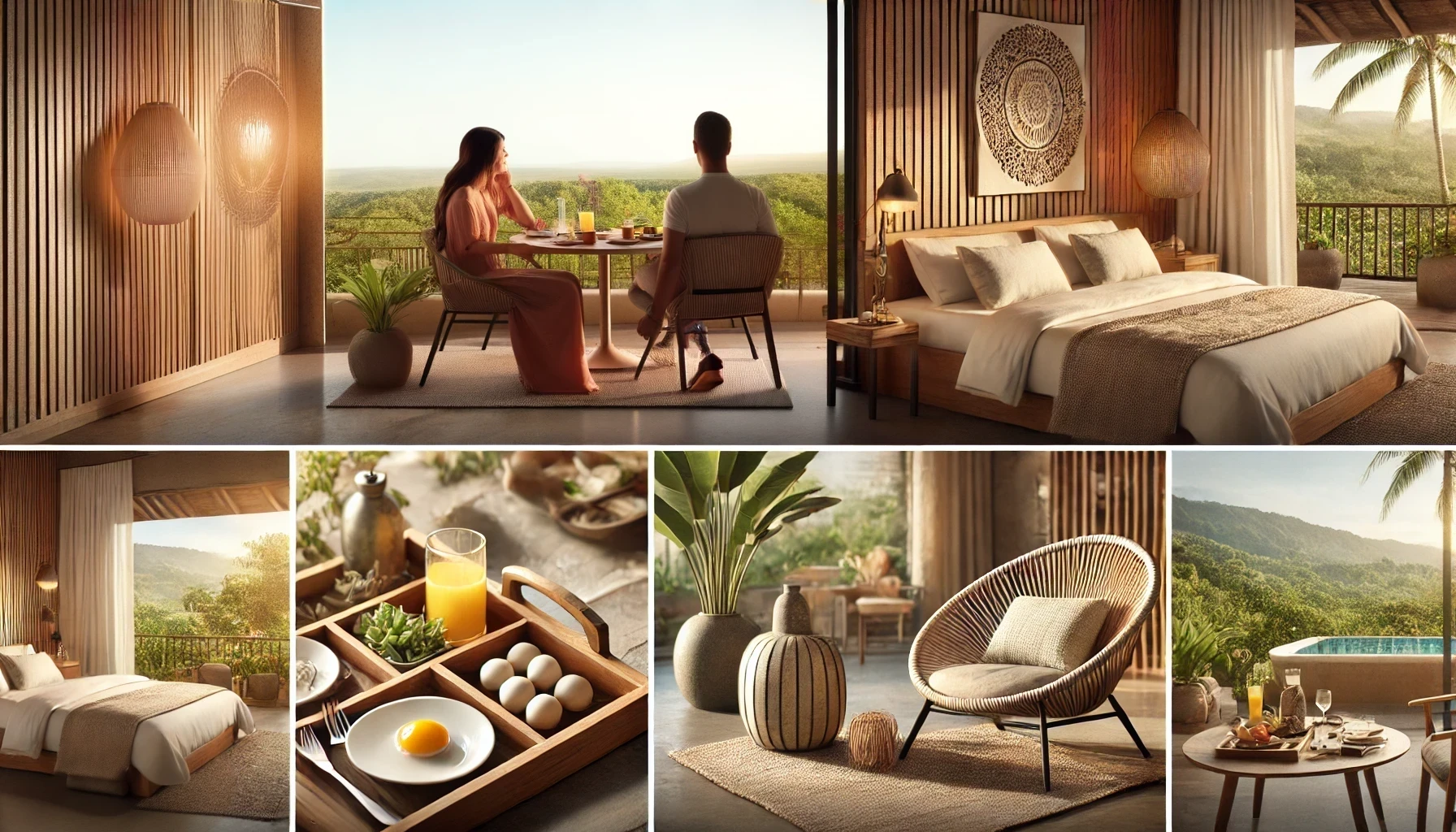

In hospitality, the real challenge is not filling rooms, but filling hearts. In a market where many hotels seem to offer the same thing—impeccable rooms, dazzling pools and nearly identical breakfast menus—standing out is not an option; it is a necessity. But how do you achieve it when your competitors not only replicate your services, but even try to appropriate your essence? The answer is not to compete with more of the same, but to redefine who you are and how you connect with your guests.
The secret to leading in a homogeneous market is not lowering prices or adding services that only increase costs without delivering real value. It lies in authentic differentiation, the kind that transcends the tangible and takes root in your guests’ emotions. Because the guest experience is not measured solely by plush pillows, but by how you make them feel, from the moment they book until long after check-out.
As I like to say: “Do not compete to be the best; compete to be unique. Only what is unforgettable becomes loyalty.” In this article, we will explore practical strategies not only to survive, but to lead when everyone seems the same.
1. Find your unique value proposition (UVP)
Defining what makes you different is the first step. I am not referring only to tangible features, but to what guests experience on an emotional level:What story does your hotel tell? What emotions do you want to awaken in your guests?
Defining the essence of your hotel is not simply about identifying what you do well or the services you offer. It is about going further and answering the fundamental questions that create an emotional connection between your brand and your guests. The story your hotel tells is not merely a marketing strategy; it is the soul of your business, the guiding thread that gives meaning to every interaction, every corner and every experience you offer.What story does your hotel tell?
Your hotel’s narrative must be authentic and deeply connected to its identity. Whether it is a boutique hotel in a historic corner or a beachfront resort, every hotel has a unique story to tell, and the secret lies in identifying it and communicating it.- Origins as inspiration
Ask yourself: What motivated you to open this hotel? What original vision guided its creation? Guests value an authentic story, whether it is a personal transformation, a family dream or the preservation of a local tradition. For example:
- If the hotel was built on a former estate, incorporate elements of that history into the décor and service.
- If the idea was born from a passion for hospitality, share that motivation with your guests through personalised details.
- The cultural and local context
How does your hotel relate to the place where it is located? Local authenticity is a cornerstone of creating memorable experiences. Travellers seek accommodation that allows them to discover the essence of the destination:
- Use local ingredients in your culinary offering and explain where they come from.
- Offer activities that connect guests with the community, such as artisan workshops or guided tours.
- The values that define you Your hotel’s story must reflect your core values: sustainability, exclusivity, innovation, wellbeing, among others. These values should not only be part of your messaging; they must be present in every interaction and experience you provide.
What emotions do you want to awaken in your guests?
True success in hospitality lies not only in meeting needs, but in awakening emotions that guests remember long after they have walked out the door. Identifying the emotions you want to convey is crucial to designing your hotel’s complete experience.- Security and trust
Before they can enjoy themselves, guests need to feel they are in good hands. This is achieved through:
- Clear, efficient processes from booking through check-out.
- Transparent communication, such as confirming cleaning policies or personalised services.
- A team trained to resolve problems with empathy and speed.
- Belonging and connection
Make every guest feel they are part of something special. Personalising the experience is key:
- Learn their names and preferences. A small gesture, such as remembering that they prefer green tea to coffee, can make all the difference.
- Organise events where guests can interact with one another or with the local community.
- Surprise and delight
Unexpected moments are the ones guests remember most. Include details that bring smiles:
- A surprise gift in the room, such as a handwritten postcard.
- Exclusive experience offers, such as a sunset wine tasting.
- Relaxation and wellbeing
If your hotel is designed as a place to switch off, make sure every corner invites rest:
- Quiet spaces with warm lighting and relaxing music.
- Services such as massages, meditation or yoga.
- Inspiration and creativity
If guests take away more than memories, you have achieved something extraordinary. Think about:
- Décor that inspires photographs or reflection.
- Cultural programmes or creative workshops that enrich their experience.
Integrate your essence into the guest experience
Once you have defined your story and the emotions you wish to convey, the next step is to integrate your essence into every guest touchpoint:- In pre-arrival communication: Personalise welcome emails with relevant information and details that reinforce your narrative.
- During the stay: Ensure that every interaction, from the décor to the team’s service, reflects the story and emotions you have defined.
- Post-stay: Reinforce the emotional bond by sending a personalised message, such as a thank-you note with a special recommendation for their next visit.
Who do you really want to attract? Not everyone is your customer, and that is perfectly fine.
One of the most common mistakes in hospitality is trying to be everything to everyone. Offering “something for every type of guest” may seem like a safe strategy, but in reality, it dilutes your identity and makes it harder to stand out in a saturated market. The key lies in identifying your ideal audience, focusing on the people who will truly value what you offer and, in return, build a strong relationship with your brand. And yes, not everyone is your customer, and that is not only fine—it is necessary.1. Define your essence and values
Before thinking about whom you want to attract, you must understand who you are as a hotel. This goes beyond facilities or services; it is about defining the personality and purpose that guide your brand.- Are you a luxury retreat for romantic getaways or a family destination focused on recreational activities?
- Do you promote a connection with nature, futuristic technology or local cultural tradition?
- What emotions do you want your guests to feel during and after their stay?
2. Segment your target audience
You cannot attract everyone, but you can win over a specific group with surgical precision. Segmentation will help you identify the guests who will benefit most from your proposition. Key criteria include:- Demographics: Age, gender, marital status, income level.
- Psychographics: Lifestyle, values, interests and priorities (for example, sustainability, luxury, authenticity).
- Behaviour: Frequent travel, length of stay, preferred booking channels, types of activities.
- Geography: Nationality, region or distance from your location.
3. Build an ideal customer profile
Once you have segmented your audience, create a buyer persona (a detailed profile of your ideal customer). This profile will help you make strategic decisions that connect directly with their interests. Example of a buyer persona for a sustainable boutique hotel:- Name: Clara, 35 years old.
- Profession: Freelance graphic designer.
- Interests: Ecotourism, yoga, healthy cooking, nature photography.
- Needs: Peaceful getaways, authentic experiences, accommodation that promotes environmental stewardship.
- Preferences: Online bookings through platforms specialising in sustainable hotels, packages that include local activities.
4. Accept that not everyone is your customer
True success does not lie in trying to attract anyone and everyone, but in being indispensable to a select few. This not only simplifies your operations, but also strengthens your brand by focusing on what you do best.- Avoid trying to please opposing segments; this can create inconsistencies in your narrative and confusion in the market.
- Stay true to your essence: There is no need to offer children’s entertainment if your hotel is designed as a haven of calm for adults.
5. Adapt your services and communication
Once you have identified your ideal audience, align every aspect of your hotel and marketing strategy with its expectations and desires.- Personalised services: Design packages or activities that respond directly to the segment’s preferences.
- The right narrative: Use a tone of voice that speaks their language, whether on social media, in emails or on your website.
- Effective distribution channels: Promote your hotel where your target audience can be found (platforms, specialist blogs, relevant influencers).
Reflect: Who is your ideal guest?
To excel in a competitive market, it is essential to ask yourself:- Who will benefit most from my proposition?
- What type of guest will resonate with my brand’s values?
- How can I exceed their expectations and turn them into an ambassador for my hotel?
For example, an exclusive focus on adult wellness getaways or immersive cultural experiences.
Defining and operating within a micro-niche can be one of the most powerful strategies for standing out in a competitive market. Instead of trying to attract everyone, focusing on a specific group of guests allows you to offer a deeply personalised and relevant experience, generating loyalty and differentiation. Below, we explore how to create and leverage a micro-niche with concrete examples.1. Identify an underserved market segment
The first step in creating a micro-niche is identifying specific needs that are not being adequately met in the market. This involves:- Analysis of current and potential guests: Who are your most frequent guests? What are they seeking from their experience?
- Trend identification: Explore emerging interests in the industry, such as growing demand for sustainability, wellness getaways, gastronomic tourism or personalised experiences.
- Research the competition: Look for areas where other hotels are not offering complete or authentic solutions.
2. Focus on adult wellness getaways
This niche, for example, caters to travellers seeking to disconnect, relax and practise self-care in an environment free from distractions. Some strategies include:- Exclusive facilities: Offer an upscale spa with unique treatments, quiet relaxation areas and activities such as yoga or outdoor meditation.
- Rooms designed for wellbeing: Ergonomic beds, aromatherapy, healthy menus and technologies that improve rest, such as circadian lighting.
- Personalised experiences: Design packages that include consultations with wellbeing specialists, detox retreats or workshops on relaxation techniques.
3. Create immersive cultural experiences
Another example of a micro-niche may be focusing on travellers interested in connecting deeply with local culture. This approach requires going beyond the surface and offering an authentic, educational experience:- Collaboration with the local community: Work with local artisans, chefs, musicians and guides to organise exclusive activities, such as pottery workshops, tastings of regional products or visits to little-known historic sites.
- Hotel design in harmony with its setting: Use local materials and décor to reflect the destination’s culture and become a space that tells stories.
- Themed events: Organise cultural festivals or activities on hotel premises, such as traditional music evenings or local art showcases.
4. Communicate your proposition clearly and compellingly
Defining your micro-niche will not be enough unless you can communicate it effectively. Make sure your message is clear and reaches the right audience:- Digital marketing segmentation: Use advanced targeting strategies to reach specific audiences interested in wellness or culture, for example through social media campaigns or Google Ads.
- Authentic content: Create blogs, videos or social media content that shows how your hotel meets the niche’s needs. Guest stories or collaborations with relevant influencers can reinforce your authenticity.
- Specialised landing pages: Design specific webpages for each segment that include detailed information about your unique propositions, such as personalised itineraries or exclusive services.
5. Evaluate and adjust continuously
Once you have implemented a micro-niche focus, it is crucial to measure its impact and adapt to market needs:- Guest surveys: Evaluate their experience and gather suggestions for improvement.
- Tracking key metrics: Room occupancy, revenue generated by additional services and repeat-stay rates.
- Testing new ideas: Experiment with sub-niches within the main micro-niche, such as wellness getaways specifically for couples or cultural experiences for families.
2. Emotional design: beyond aesthetics
A hotel’s design should not only be visually appealing, but also emotionally evocative. The environment must tell a story and resonate with your guests’ values. Defining what makes you different is the first step. I am not referring only to tangible features, but to what guests experience on an emotional level:Design common areas and rooms that connect with the local culture or the trends that interest your audience.
A small personalised note, a distinctive lobby scent or an exclusive playlist can make all the difference.
Incorporate elements such as warm lighting, appropriate music and inviting textures.
3. Differentiate through experiences, not just services
In a world full of imitators, unique experiences are your best defence. Design moments your guests cannot find anywhere else.- Offer authentic local experiences: Expert-led tours of the area, tastings of local products or exclusive cultural workshops.
- Create hotel rituals of your own: A sunset toast on the terrace, a surprise breakfast by the pool or a tradition that is impossible to replicate.
- Put your team in the spotlight: The authenticity of human service is an intangible that imitators cannot replicate.
4. Build a powerful brand narrative
Guests do not merely buy nights of accommodation; they buy stories to tell. Your narrative must be clear, authentic and consistent.- Create a story that moves people: From the hotel’s origins to your current values, every detail must form part of your story.
- Make the guest the protagonist: Involve them in your narrative through personalised interactions and shareable content.
- Use omnichannel communication: Ensure your message is consistent across social media, emails and every guest interaction.
5. Generate emotional, not merely transactional, loyalty
A points programme is not enough to build loyalty. What truly matters is how you make guests feel during and after their stay.- Connect on a human level: Remember personal details about repeat guests, such as anniversaries or culinary preferences.
- Surprise and delight: A small, unexpected gesture can create a lasting impact.
- Be authentic and approachable: Respond personally to their reviews and thank them for their loyalty sincerely.
6. Innovate strategically
Innovation does not always mean major investments; often, it is the small changes that make the difference.- Automation in service of the guest: Implement technology that enhances the experience without losing the human touch, such as digital check-ins or personalised virtual assistants.
- Visible sustainability: Adopt responsible practices and communicate them transparently. Travellers increasingly value environmental commitment.
- Unique collaborations: Work with artists, local chefs or relevant influencers to create exclusive experiences.