
High-End Hospitality: Attracting and Retaining HNWI and VHNWI Guests

Working with HNWI and VHNWI guests is not simply about selling expensive rooms; it is about building lasting relationships. Understanding their values, cultures and unspoken preferences is the key to earning their loyalty. That is true luxury: choosing to return because they felt understood, not merely served. The future of luxury is human. No matter how advanced it becomes, automation cannot replace the warmth of a genuine smile or empathy for an unspoken need. Technology is a tool, but emotion remains the true differentiator in modern hospitality.
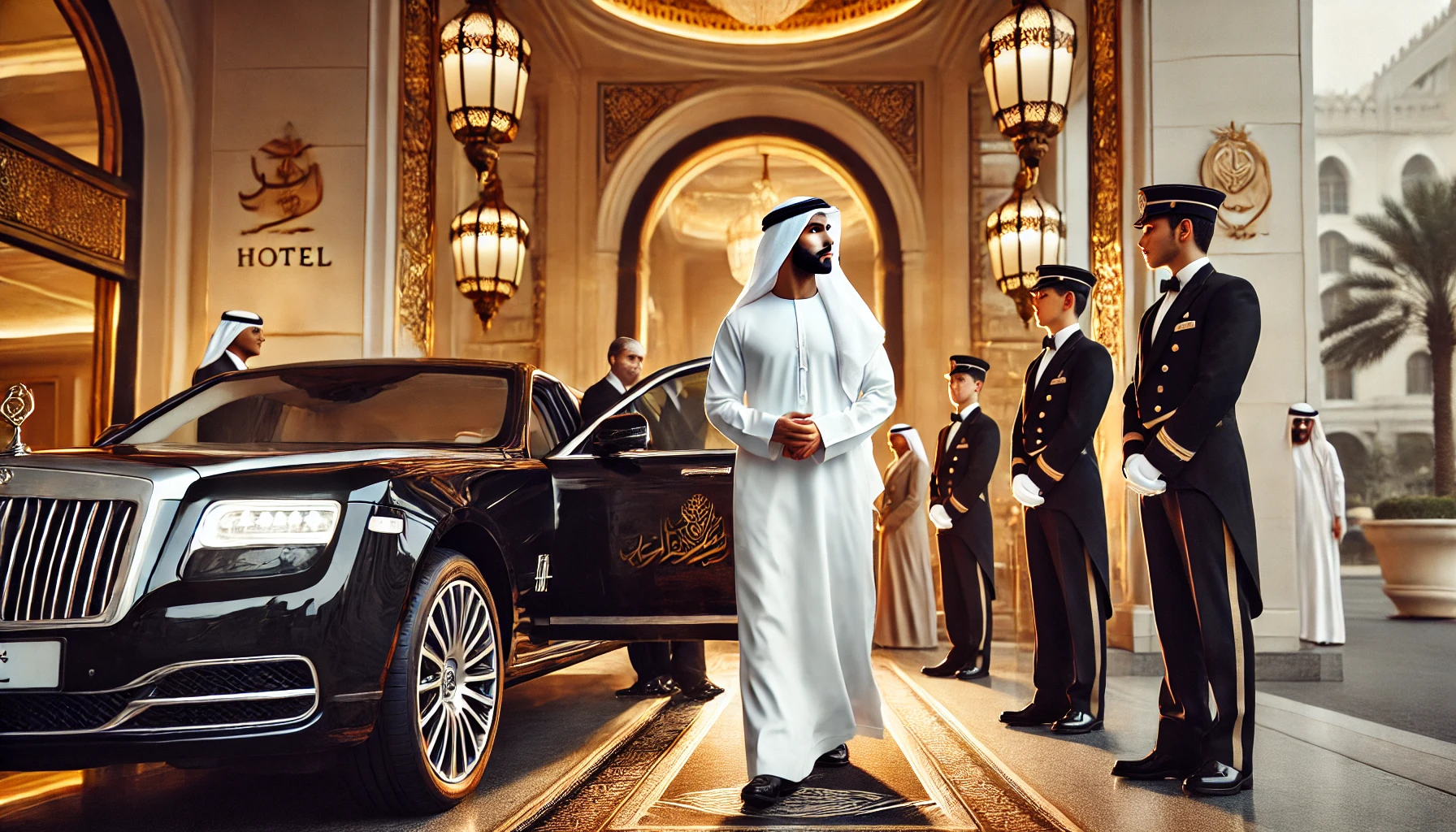

When I think of the guests who have walked the corridors of the hotels I have managed, I am reminded of an early lesson that changed the way I see this business: not all guests are alike, but all are valuable. And there is one segment that is not only valuable, but pivotal to the sustainability and success of hotels aspiring to exceptional standards: HNWI (High-Net-Worth Individuals) and VHNWI (Very-High-Net-Worth Individuals).
To speak of hotel management without taking the time to fully understand who these guests are is to fall short in the pursuit of excellence. It is not enough to know that they are wealthy individuals. We must understand their motivations, their expectations and, above all, their contradictions. Because if my relationship with these high-net-worth guests has taught me anything, it is that what they seek is rarely what they say they want.Who are HNWI and VHNWI really?
The technical definition is well known and easy to state: HNWI are individuals with more than US$1 million in liquid assets, excluding their primary residence. VHNWI are those whose liquid wealth exceeds US$5 million. Finally, there are UHNWI (Ultra-High-Net-Worth Individuals), whose wealth exceeds US$30 million. Yet behind these figures lies a far more complex and nuanced reality. According to the Capgemini World Wealth Report 2023, the number of HNWI worldwide reached 22.5 million, with US$86 trillion in accumulated wealth. Asia-Pacific is leading growth, followed by North America and Europe. But what do these numbers truly mean from the perspective of someone seeking to deliver exceptional hospitality?
I have had the opportunity to work directly with this segment, particularly during the opening and management of a hotel with gold taps in a Baltic country, designed specifically to welcome an Arab and Russian billionaire clientele. This experience was a genuine revelation. It allowed me to see first-hand how, for certain guest profiles, ostentatious luxury is not merely a whim, but an essential part of their social and cultural language. For them, those gold taps were not simply decorative; they were a statement of status, a visible sign that they were in a place that understood their vision of success and abundance.
What they truly seek in a luxury hotel
Beyond the gleam of gold and imported marble, what these guests truly expect is something more subtle and often more difficult to provide: a sense of absolute control over their surroundings. This is the true currency of luxury for HNWI and VHNWI. It is the certainty that nothing is beyond their reach, that any wish can be fulfilled with a simple gesture. Privacy becomes paramount. They do not seek to be seen; they seek to be cared for discreetly, with an almost invisible service presence. In my experience, Arab guests particularly valued this discretion, while Russians, in many cases, wished to enjoy their success more visibly, always with the assurance that their safety and comfort were guaranteed. Operational flexibility is another essential pillar. For these guests, time is not simply gold; it is their most valuable possession. They will not accept breakfast ending at 11:00 a.m. or the chef having finished their shift. I have seen kitchens reopen at midnight to prepare bespoke dishes because the guest's private jet arrived later than expected and they were hungry. Perhaps most interestingly, despite their wealth, many seek genuine human connections. I remember a Russian magnate who was moved to tears because the concierge remembered his dog's name and left a small gift for it in the suite. These seemingly insignificant details build loyalty and turn a hotel into an emotional refuge.Mistakes that can ruin the relationship with these guests
I have seen hotel projects fail because they did not understand this delicate balance. Gold taps may attract attention, but if the service does not measure up, they become a constant reminder of the emptiness behind the shine. HNWI hate being treated like ordinary tourists. They immediately recognise when they are being offered something standardised. Another frequent mistake is imposing rigid rules. Saying "no" to an HNWI means losing them forever. I have seen how the refusal to allow smoking on a private terrace prompted a Saudi magnate to move his entire entourage to another hotel within hours. Finally, there is excessive servility. Nothing makes a VHNWI more uncomfortable than feeling surrounded by employees who treat them with exaggerated deference. They seek professionalism and efficiency, but also naturalness and confidence. Attracting and retaining this segment requires a strategy that combines infrastructure and human talent. Personalisation is key: from the moment they make a reservation, the hotel must begin discreet research to understand their preferences and anticipate their wishes. The service must be invisible yet omnipresent. This requires comprehensive staff training so that team members can read between the lines and interpret gestures and silences.Knowing the guest goes beyond CRM. It requires sensitivity, intuition and memory.
Three final points...
Never underestimate the power of detail. Small gestures, such as remembering a guest's child's name or their favourite coffee, have a disproportionate impact on this segment. Excellence is measured in those subtle moments that remain etched in the guest's memory. Train your team to understand quiet luxury. Training is not only technical; it is also emotional. It means teaching them to observe without intruding, to be present without being visible. True luxury does not shout; it whispers. The future of luxury is human. No matter how advanced it may be, no automation will ever replace the warmth of a genuine smile or empathy for an unspoken need. Technology is a tool, but emotions are the true differentiator. Ultimately, working with HNWI and VHNWI is not simply about selling expensive rooms, but about building lasting relationships. Understanding their values, their cultures and their hidden desires is the key that opens the door to their loyalty. That is authentic luxury: choosing to return because they felt understood, not merely served.This full analysis is available to subscribers
Subscribe to continue reading Lead Hospitality analysis, strategies and practical hospitality insight.
Use Google to create or recognise the same Lead Hospitality account and activate the free CRE Access+ level.
One Lead Hospitality account · no duplicate subscription identity
