
Life Is What Happens While You’re Making Other Plans

Albert BarraNovember 30, 2024 · 2 min read
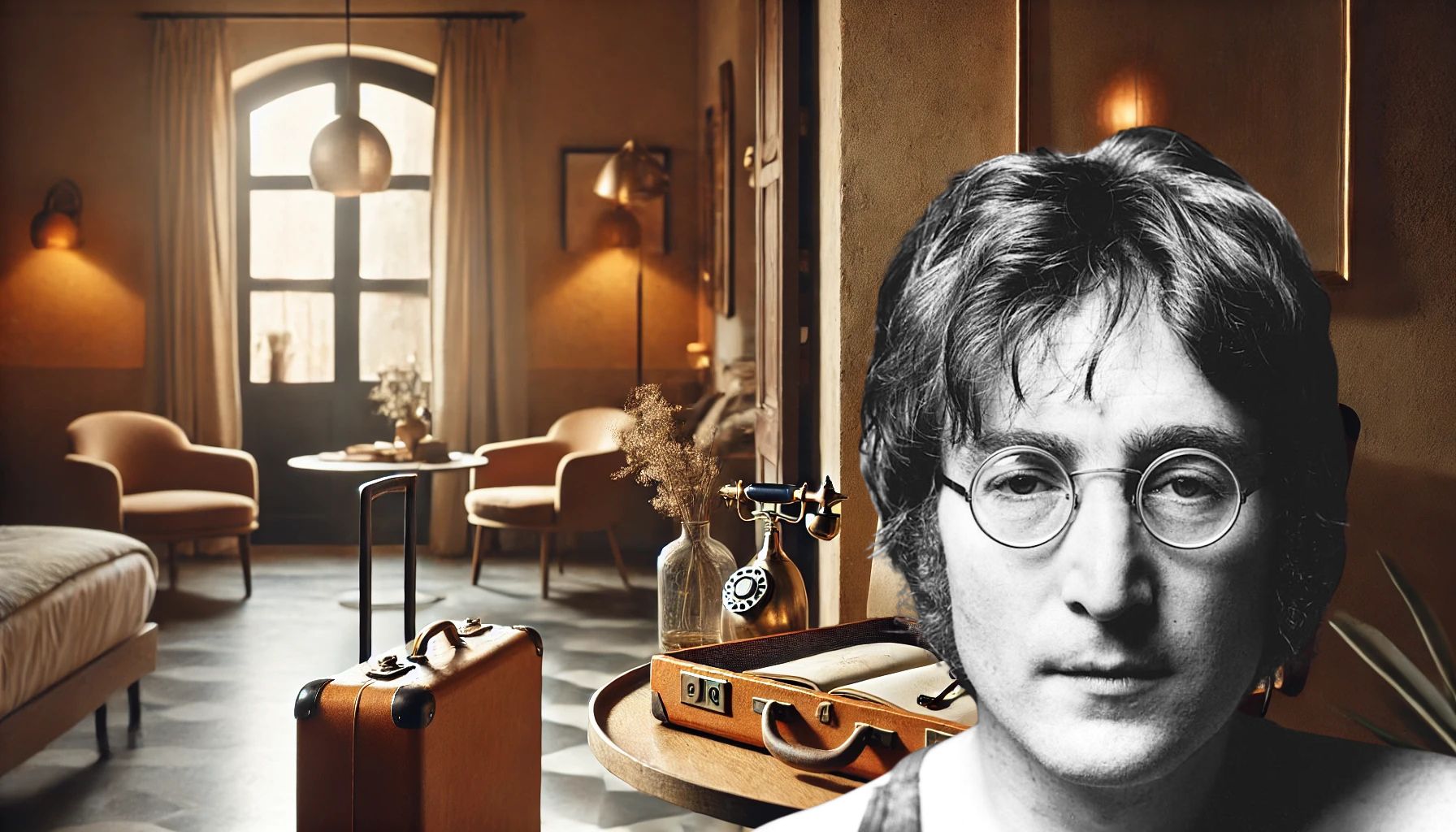

John Lennon's phrase leads me to reflect on a fact we often overlook in the hospitality industry: life, much like the guest experience, is not lived in the future, but in the present. We spend hours planning strategies, designing campaigns and fine-tuning budgets, yet sometimes forget what is essential: the emotions and moments that truly impact our guests happen now, before our very eyes, and often go unnoticed.
In a sector like ours, where every interaction counts and every detail makes a difference, this reflection carries particular weight. We become so preoccupied with what lies ahead—the next peak season, the new technology we want to implement or portfolio expansion—that we risk losing sight of what is happening today in our hotels: the smile of a guest arriving after a long journey, the team's dedication during a demanding shift, or even the opportunity to resolve an unexpected issue with grace.
As in life, in the hospitality industry we cannot control everything, but we can influence how we experience and respond to each moment. In this article, I want to share how this philosophy can be applied to our day-to-day hotel operations and how adopting a more mindful mindset can make a radical difference to business success.
The guest journey is not a straight line, and many of the decisions that shape guest satisfaction happen in real time. Below are some strategies to maximise the impact of present moments:
The guest journey is not a straight line, and many of the decisions that shape guest satisfaction happen in real time. Below are some strategies to maximise the impact of present moments:
Cultivating mindfulness in every interaction
The hospitality industry is, above all, a people business. When a guest approaches the front desk, whether to check in or ask for recommendations, what they are looking for is not merely a solution, but to feel heard and valued.
-
-
- Train the team to recognise emotional cues: Are they tired? Do they seem rushed? An empathetic, personalised response can turn a routine moment into a memorable one.
- Implement regular feedback sessions so staff can reflect on their performance and enhance their guest service.
-