
When Less Is More: Innovating Through Constraints



In hospitality, innovation is often confused with abundance: more budget, more square metres, more amenities, more “wow factor”. Yet throughout my career, I have found that the most powerful, memorable and distinctive ideas tend to emerge not from excess, but from constraints.
Has a budget cut, a partial refurbishment or an operational constraint ever forced you to reinvent the guest experience? It certainly has for me. Not once, but many times. And although I initially experienced it as a challenge, over time I have learned to see these limitations as catalysts for innovation.
This idea is powerfully reflected in the case of Alain Passard, the chef who removed meat from the menu of his three-Michelin-star restaurant to focus exclusively on vegetables. He did so in 2001, long before plant-based became a trend. And he did it not because it was fashionable, but driven by a creative impulse to explore a different culinary narrative. The result: a unique, poetic and deeply coherent experience.
In hospitality, we could apply that same principle. What if, instead of asking ourselves what more we can add, we asked what we can remove to enhance? What if we redefined luxury not as excess, but as essence?

1. Turn constraints into a story
Hotels do not always operate from a position of abundance. Sometimes we work with tight budgets, historic buildings we cannot alter, or rural settings where resources are limited. Yet these constraints can become the heart of a powerful, authentic narrative.
-
Hotels in historic buildings can position themselves as guardians of heritage, highlighting every imperfection as part of the story.
-
Small accommodation properties can stand out for their warmth, personalised service and intimate atmosphere.
-
Rural or hard-to-reach hotels can sell seclusion as luxury: a sanctuary, an escape from the world.
If you have a structural or operational limitation, turn it into a strength. Build your brand around that difference. What matters is not what is missing, but what you can offer because of it.
2. Connect guests with meaning
When Passard spoke about his vegetables, he did not speak of ingredients, but of identities: each vegetable had a “passport”, a story to tell. In hospitality, we can do the same. It is not simply about offering a good product or service, but about imbuing it with meaning.
-
A towel can be made from locally sourced organic cotton.
-
A dish can feature ingredients from a local producer who comes to the hotel every Tuesday.
-
A massage can be inspired by traditional techniques from the local area.
Do not sell just a service. Sell a story. Create connection. Today more than ever, guests value authenticity and purpose.
3. Go deeper rather than wider
Many hotels aspire to grow by opening new locations, expanding their services or attracting new markets. But sometimes true growth lies in going deeper, not further. Like Passard, who chose not to expand his restaurant and became obsessed with perfecting a technique or finding the best way to slice a radish.
-
What if, instead of adding more dishes to the menu, we perfected the ones we already have?
Lead Hospitality LibrarySee the booksBooks to run a hotel with judgement
Written from the general manager’s chair: technology, guest experience, leadership and management.
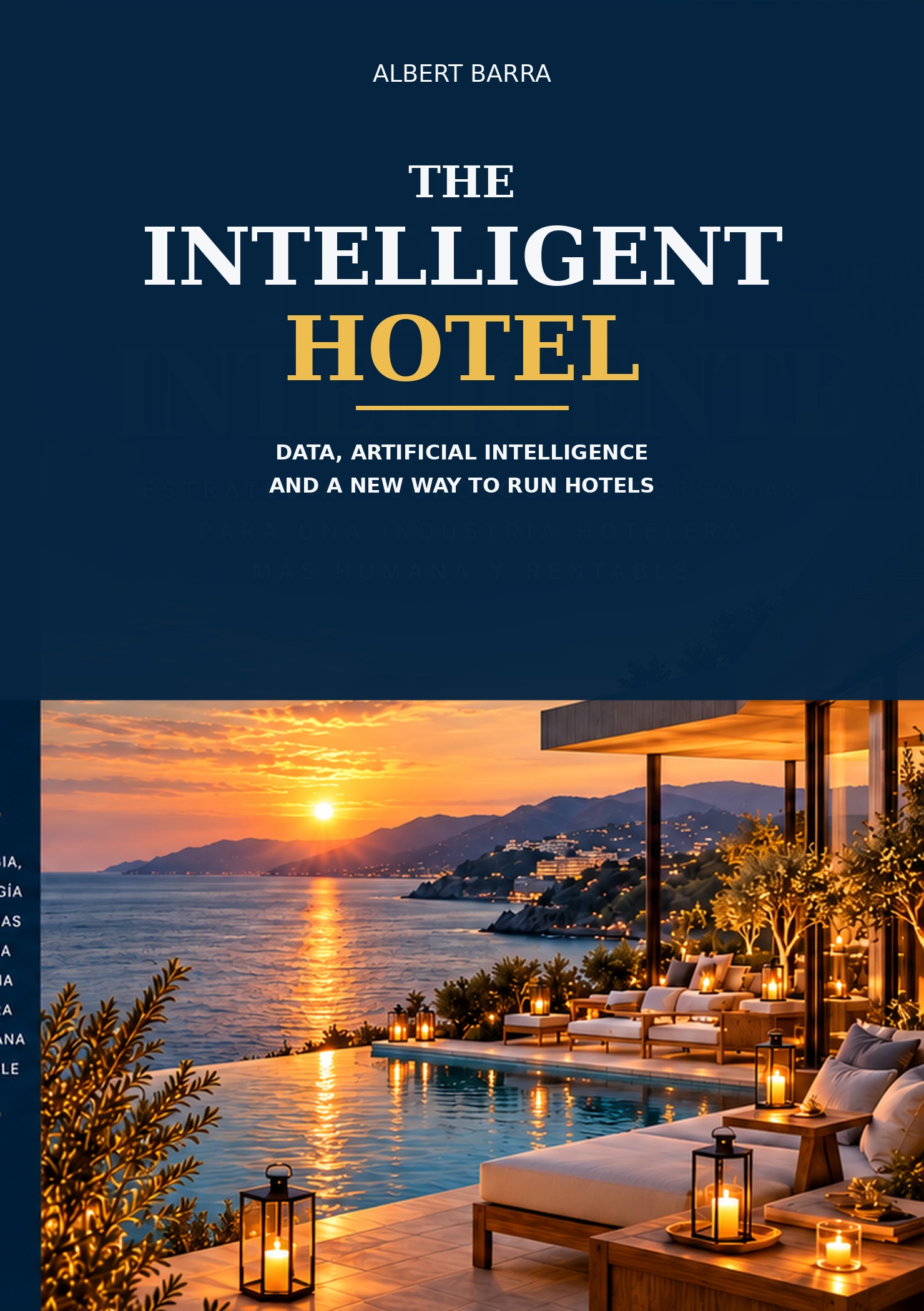 The Intelligent HotelData, Artificial Intelligence and a New Way to Run Hotels
 Directing HotelsWhat Nobody Tells You Before You Sit in the General Manager’s Chair
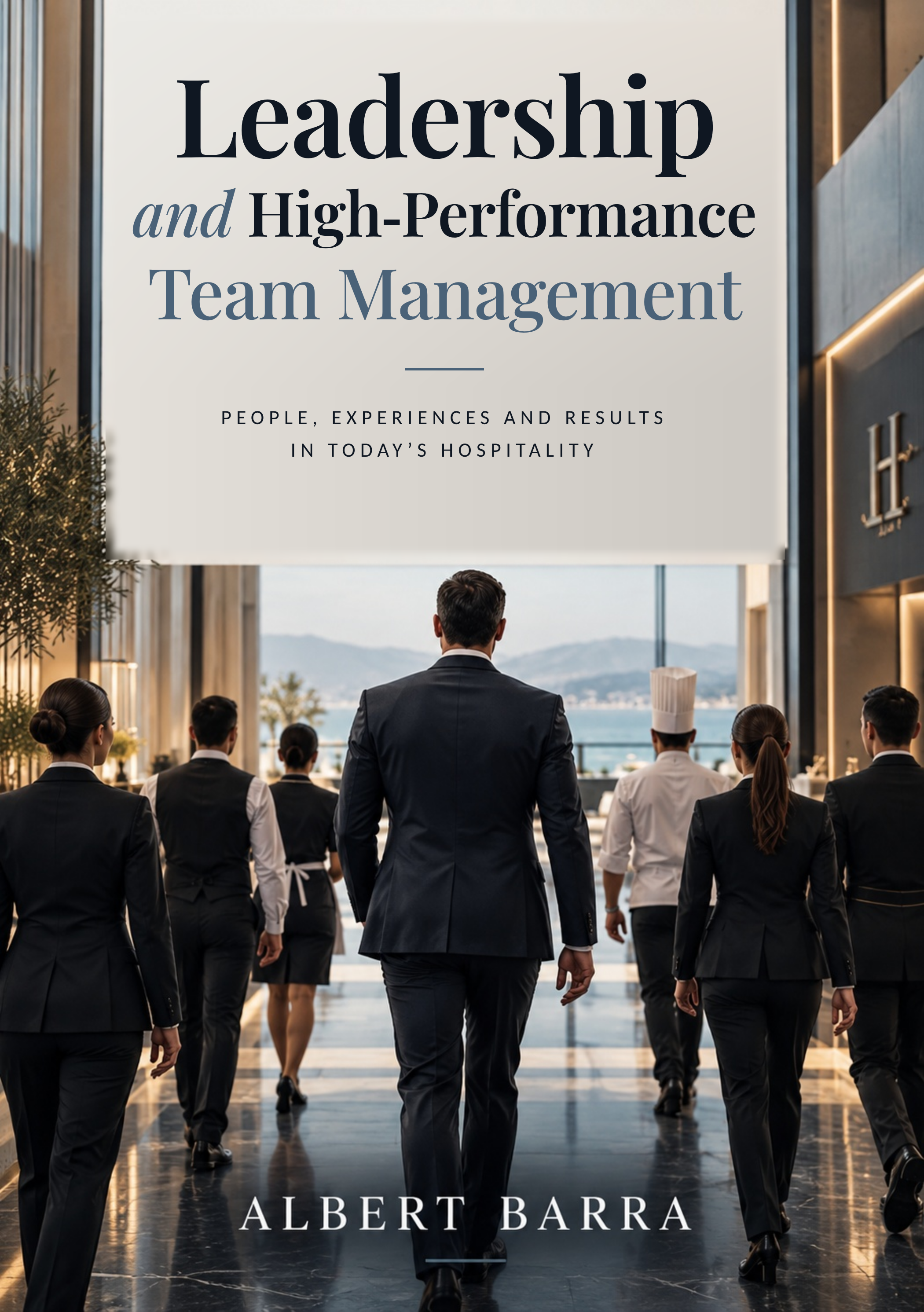 Leadership and High-Performance Team ManagementPeople, Experiences and Results in Today\\\'s Hospitality
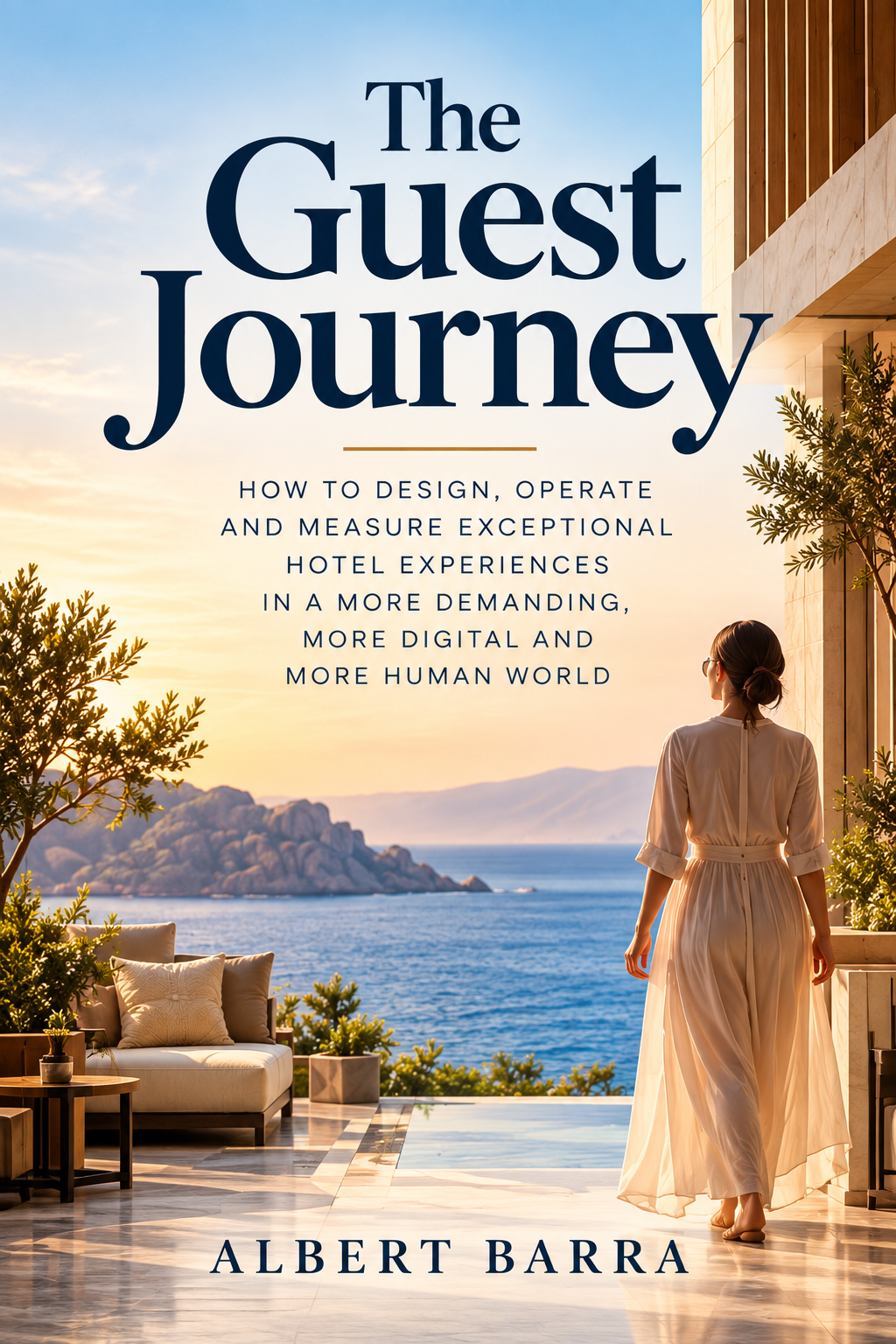 The Guest JourneyDesigning Customer Experience Across the Entire Hotel JourneyDigital edition · Personal licence · Free or discounted for subscribersSee all books →
-
What if we took the time to review our welcome protocol so that every greeting became truly memorable?
-
What if we redefined our amenities to make them more sustainable and more aligned with our identity?
Review what you already do. Do it better. With more intention, more clarity, more soul. Very often, the experience is transformed not by adding, but by refining.
In my experience, the hotels that stand out are not those that have the most, but those that best understand who they are. It is easy to get lost in the noise of competition, passing trends and external expectations. But if we return to the core, if we listen to our limitations and turn them into creative strength, we can create something no algorithm, budget or AI will be able to replicate: a truly human experience.
And if I may, I will leave you with three reflections to apply this approach in your hotel:
-
Take stock of your current limitations. Ask yourself: what story could they tell? What opportunity for differentiation lies behind each one?
-
Invite your team to undertake a “less is more” exercise. Which processes, details or services could we improve if we had to deliver them with half the resources?
-
Make every decision an expression of your essence. Every product, every interaction, every corner of the hotel can be a brushstroke of your vision. It is not about having more, but about being clearer.
When we face a limitation, our first instinct is usually to think about what we are losing. But over time, I have learned that these limitations force us to think more deeply, return to the essentials and question what is established. That is where true creativity emerges: creativity that does not seek to impress, but to connect. The next time you feel something is missing, ask yourself: what if what I lack is precisely what allows me to be different?
Hospitality does not need more empty promises or soulless products. It needs coherence, courage and sensitivity. Coherence to remain true to a vision, courage to make decisions that perhaps not everyone will understand, and sensitivity to recognise the beauty in simplicity. It is not about doing less, but about doing it better, with more intention and more truth. Today’s luxury is not excess, but what has clear meaning and is made with soul.
And perhaps the best advice I can share is this: dare to create your own rules. Draw inspiration from the greats, but do not imitate them. Use your limitations as a starting point to write your own language. Because in the end, what makes a hotel memorable is not how much it offers, but how it makes people feel when they stay there, even if only for one night.
This article ends here. The archive does not.
Lead Hospitality brings together 1200 English articles published since 2018: years of experiences, decisions and lessons you can keep exploring.
What would you like to explore next?
Choose a direction and keep reading around what you want to solve, learn or challenge.