
From Traditional Marketing to Emotional Connection: A New Strategy for Hotels

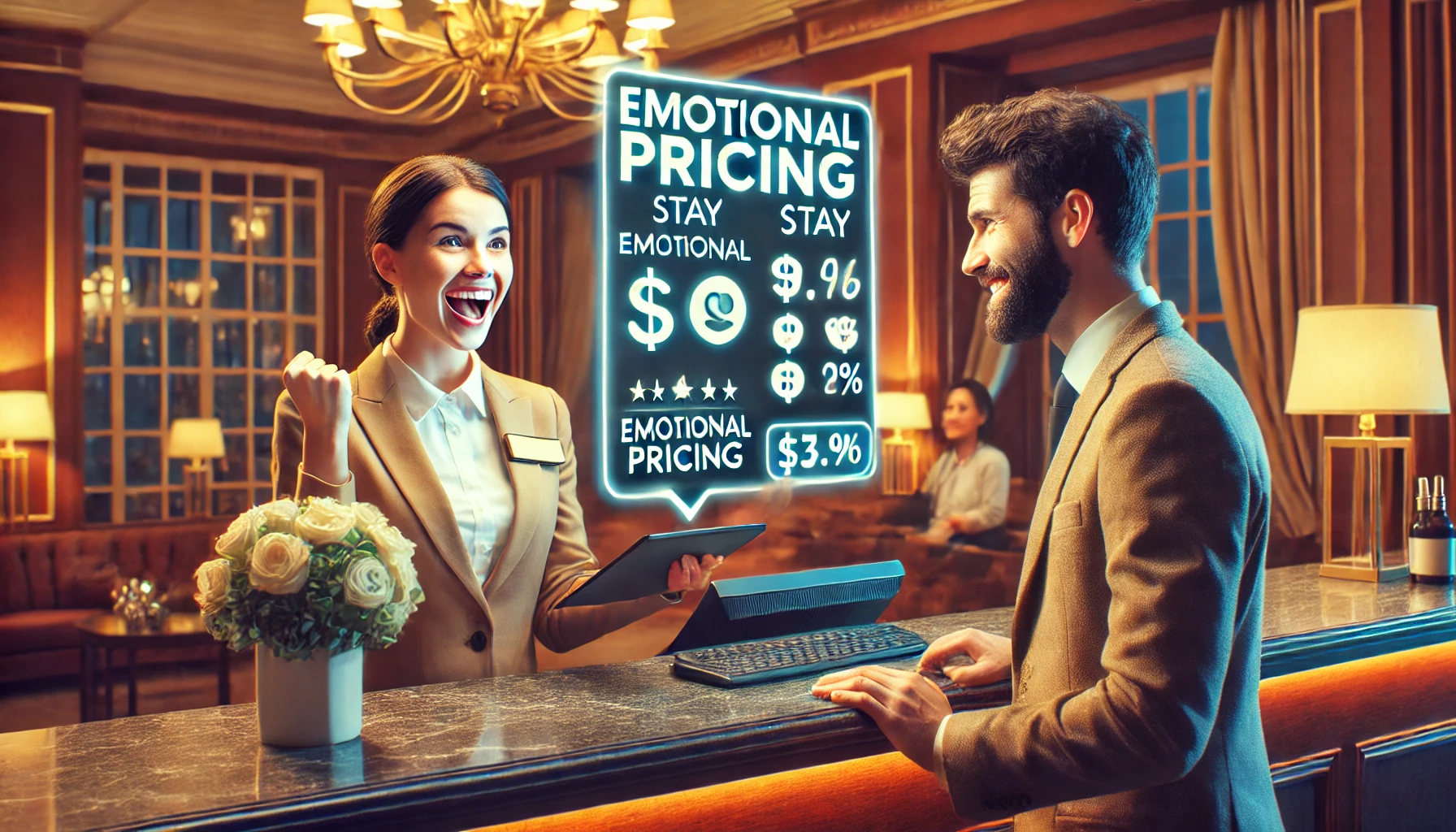

Hospitality is no longer just about selling rooms; it is about selling experiences, emotions and values. Today’s travellers are not simply looking for a place to sleep, but for purpose-driven brands, stories that inspire them and experiences that make them feel part of something bigger. In a world where differentiation is key, traditional marketing has been left behind, giving way to a new era: Impact, Emotional and Experiential Marketing.
Guests no longer choose a hotel solely for its location or price, but for what it represents. They seek accommodation that reflects their values—sustainable, authentic and aligned with their expectations. They prefer tailored experiences in hotels that not only welcome them, but understand them. Personalisation, sustainability and emotional connection have become the pillars of a marketing approach that transcends the transaction to build lasting relationships.
For hotels, this represents both a challenge and an opportunity. Those able to tell an authentic story, create memorable experiences and demonstrate their impact on the community and the environment will be the ones to earn guest loyalty. The key is no longer simply to provide good service, but to connect with guests on a deeper level, turning them into brand ambassadors.
In this context, hotel marketing must evolve beyond traditional promotion and become a tool for genuine connection. The industry needs to embrace innovative strategies rooted in authenticity, technology and personalisation, ensuring that every guest experiences more than a simple stay: a meaningful experience that brings them back.
This shift in mindset calls for a new way of approaching marketing. A form of marketing that goes beyond traditional advertising and turns every stay into a story, every service into an experience and every guest into a brand ambassador.
From Transactional Marketing to Impact Marketing
For years, the sector’s dominant strategy has been transaction-based marketing:
- Attractive rates.
- Offers and discounts.
- Promotion of facilities and services.
But in a world where differentiation is key, this approach is no longer enough. Guests do not choose a hotel on price alone; they choose a concept, an identity and values that reflect their way of seeing the world.
Today, hotels that are able to move, inspire and make an impact are the ones that succeed in building guest loyalty. And this is achieved through Experiential, Emotional and Impact Marketing.

Key Elements of the New Hotel Marketing
- Authenticity and Purpose: Guests want to feel that the hotel where they stay has a real story and a genuine commitment to its surroundings. Sustainability, local culture and the hotel’s identity are key differentiators.
- Hotel Storytelling: Beyond selling rooms, hotels need to tell stories. Every hotel has a unique essence, and communicating it in an emotional way is the best way to connect with guests.
- Personalisation and Technology: Thanks to Big Data and Artificial Intelligence, hotels can offer personalised experiences that truly matter. From remembering guest preferences to anticipating their needs, technology becomes an ally of experiential marketing.
- Genuine and Transparent Sustainability: It is not enough to say that a hotel is "eco-friendly"; it must be demonstrated through concrete actions and communicated without resorting to greenwashing. Transparency and consistency in this regard are essential to brand credibility.
- Values-Based Loyalty: Guest loyalty is no longer earned solely through points and discounts, but through an authentic relationship built on shared values. A guest who identifies with a hotel’s philosophy will not only return, but also recommend it.
The greatest challenge for today’s hospitality industry is adapting to this new marketing model without losing its essence. It is not about following passing trends, but about redefining the hotel’s identity and connecting with guests in a genuine way.
Hotels that understand that marketing goes beyond advertising and turn it into a tool for connection and impact are the ones that will make a difference in the future of the industry.

My published books
Adapting to this new paradigm is not an option; it is a necessity. Hotels that fail to connect with their guests on an emotional, experiential and values-based level risk falling behind competitors that have understood this transformation.
The question is: how can these strategies be applied effectively?
This is where training in Impact Marketing, Experiential Marketing and Emotional Marketing comes into play—an approach that not only teaches techniques, but also helps shift the mindset through which hotel marketing is conceived.
A hotel that masters these strategies not only sells more, but also builds stronger loyalty, generates brand ambassadors and achieves genuine differentiation in the market.
Why Is This Marketing Approach So Valuable for Hotels?
- Because it enables differentiation in a crowded market. A hotel with a strong brand identity, which communicates its story authentically and delivers memorable experiences, will always stand out from those that compete on price alone.
- Because it helps build a brand with genuine values. It is no longer only about selling stays, but about conveying a purpose and connecting with guests seeking experiences aligned with their worldview.
- Because it enhances the guest experience. Personalisation through digital tools and emotional strategies allows every guest to feel that their stay has been designed around them, increasing satisfaction and loyalty.
- Because it transforms the way sustainability is communicated. Rather than resorting to greenwashing, hotels can learn to communicate their sustainable actions honestly and effectively, earning credibility and guest trust.
- Because it maximises profitability without the need to compete through discounts. A guest who identifies with a hotel is willing to pay more for the experience, making it possible to apply emotional pricing and value-perception strategies to increase revenue.
How Can It Be Applied in Practice?
Theory is important, but the real difference lies in execution. A course that teaches step by step how to apply these strategies in a real hotel, with examples, tools and success stories, is key to transforming any hotel business into a purposeful and profitable brand.
This approach not only helps attract guests, but also creates long-term relationships, strengthens reputation and enables the hotel to grow sustainably while standing apart.
Because in the hospitality industry of the future, the winner will not be the one that sells at the lowest price, but the one that succeeds in moving, inspiring and connecting with guests authentically.
This article ends here. The archive does not.
Lead Hospitality brings together 1200 English articles published since 2018: years of experiences, decisions and lessons you can keep exploring.
What would you like to explore next?
Choose a direction and keep reading around what you want to solve, learn or challenge.