
The Experience Economy: Why Emotion Is the New Luxury

Albert BarraFebruary 4, 2025 · 4 min read
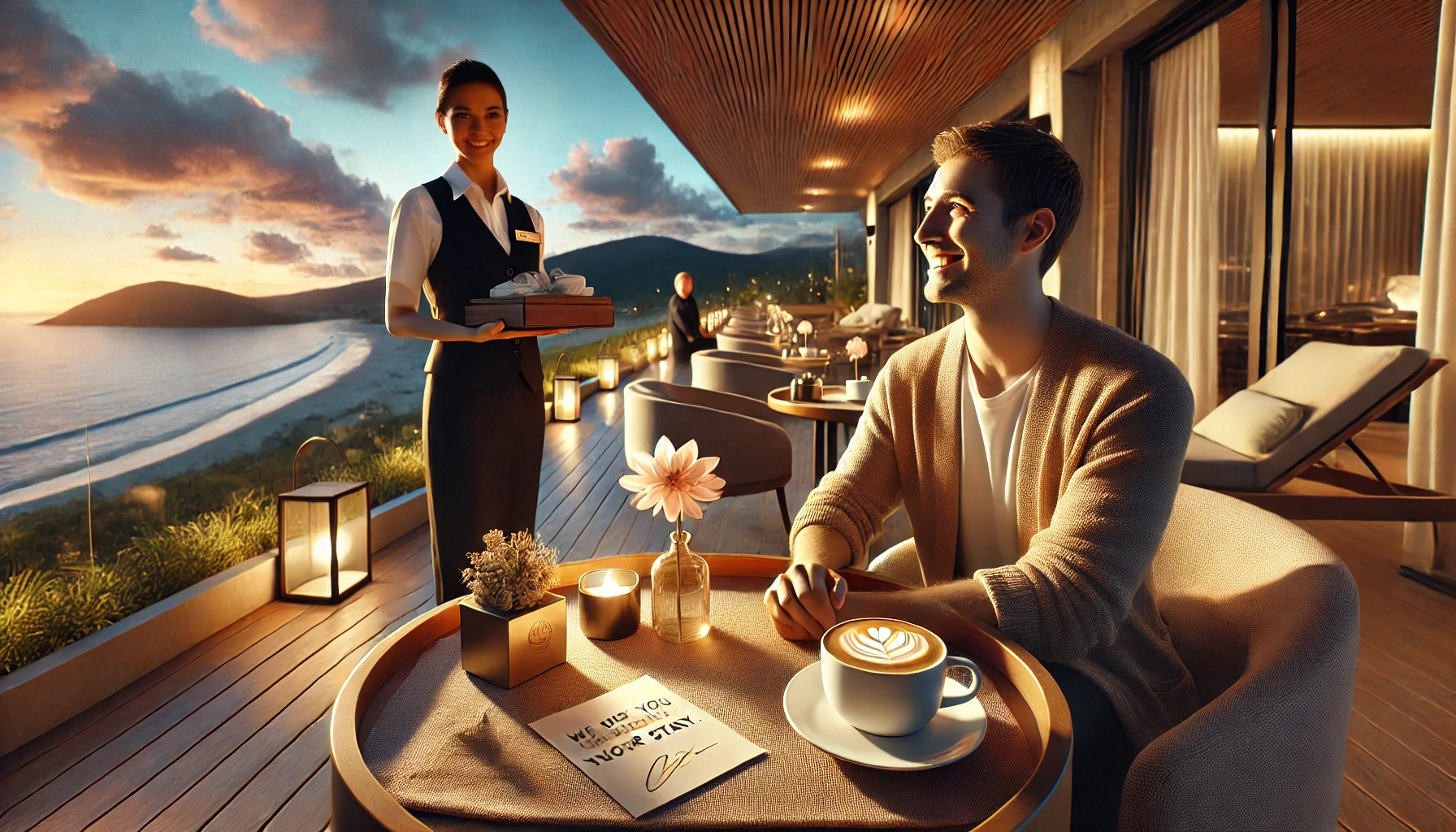

In the world of hospitality, I have seen how what was once considered luxury has changed radically. There was a time when offering spacious rooms, quality linens and a good restaurant was enough to impress guests. But today, these elements are merely the starting point. True luxury has evolved, and now lies in something intangible, almost magical: the ability to evoke emotions.
This is not about offering more, but about offering something different, something unique. We live in the age of the experience economy, where the key to success no longer lies in how comfortable our facilities are, but in how we make our guests feel. Because at the end of the day, what a traveller will take away is not the memory of a comfortable mattress, but the emotional impact they experienced during their stay.
This leads me to reflect: how prepared are we to compete in a market where emotion is the primary currency of exchange? If we limit ourselves to offering what others already have, we will become obsolete. And I say this plainly: hotels that are unable to create memorable experiences will not survive this new reality.
The key question is not what we offer, but how we offer it. And, above all, how we make people feel while offering it. A guest will not remember the fastest check-in, but they will remember whether the receptionist took the time to ask how they were after a long journey or whether we anticipated a need before they had to ask.
I recently read a striking figure: 57% of customers are willing to pay more for a personalised experience (Deloitte). This confirms something we all know but sometimes overlook: emotions are priceless.
However, this shift towards the experience economy does not mean we should become obsessed with technological innovations or extravagant luxuries. Quite the opposite. Sometimes, the simplest moments are those that leave the deepest mark.
Think about it: what does it really cost for a staff member to take the time to remember a guest's name and use it throughout their stay? Or to take the initiative to prepare a small in-room touch because someone mentioned in their reservation that they are celebrating an anniversary? These things do not cost much, but they have incalculable value because they are emotional, not transactional.
Experiences are not bought; they are designed. And in that creation lies our true challenge. In my view, hoteliers often underestimate the power of small details, unexpected gestures and genuine human connections. We get distracted by visible elements—architectural renovations, furnishings, technological gadgets—and forget that the most valuable luxury is making someone feel unique and special.
For me, investing in emotion as luxury means shifting the focus:
However, this shift towards the experience economy does not mean we should become obsessed with technological innovations or extravagant luxuries. Quite the opposite. Sometimes, the simplest moments are those that leave the deepest mark.
Think about it: what does it really cost for a staff member to take the time to remember a guest's name and use it throughout their stay? Or to take the initiative to prepare a small in-room touch because someone mentioned in their reservation that they are celebrating an anniversary? These things do not cost much, but they have incalculable value because they are emotional, not transactional.
Experiences are not bought; they are designed. And in that creation lies our true challenge. In my view, hoteliers often underestimate the power of small details, unexpected gestures and genuine human connections. We get distracted by visible elements—architectural renovations, furnishings, technological gadgets—and forget that the most valuable luxury is making someone feel unique and special.
For me, investing in emotion as luxury means shifting the focus:
- From services to experiences. Breakfast is not just food; it is the moment when the guest begins their day. How can we make it special?
- From standardised to personalised. Not all travellers are looking for the same thing. Why not adapt to their preferences, even in simple matters such as the scent of the soap or the type of pillow?
- From transactions to connections. We are not merely service providers; we are creators of memories.
True luxury is not measured by what you offer, but by how you make people feelThat, in my view, is the compass that should guide every decision in our hotels. Because if we can move people, we can connect with them. And when we connect, we create guests who not only return, but also recommend us, champion us and choose us time and again.