
The Invisible Gap Between the Promise of Excellence and Operational Reality



There is one word used far too casually in today’s Hospitality industry: luxury. I see it on immaculate websites, in spectacular renderings, and in purposeful strategic narratives. But when you walk through the door that does not appear on Instagram—the one leading to service, people and operations—the word loses its shine.
What remains is something else.
I have learned that true excellence is not proclaimed; it is executed. It is not designed in a sales presentation; it is sustained through long shifts, high-occupancy pressure, and the ability to uphold standards when the hotel is full and the team is tired.
Many hotels speak of a premium experience while tolerating weak processes, absent leadership and a fragile internal culture. And that inconsistency does not take long to filter through to the guest.
This is not a comfortable article. It is a critical reflection on the gap between branding, internal culture and the real guest experience. Because in Hospitality, inconsistency always becomes visible.

When Branding Outpaces Operations
In recent years, investment in hotel design, positioning and marketing has been enormous. Concepts such as hospitality innovation, guest experience, personalisation, emotional luxury and conscious hospitality are now part of the standard narrative.

The narrative is not the problem.
The problem arises when the narrative moves faster than operations.
I have seen hotels with impeccable storytelling and mediocre execution. Spaces designed down to the last detail, yet teams that are poorly staffed. Upper-upscale rates supported by midscale operational structures.
You cannot sell premium ADR with a chronic cost-cutting mindset.
You cannot promise excellence if you tolerate structural improvisation.
You cannot speak of experience when your team is surviving rather than serving.
Excellence in Hospitality is not aesthetic. It is systemic.
And it begins with things that are not photographed:
-
Genuine strategic clarity
-
Consistent, measurable protocols
-
Leadership present in the operation
-
The ability to say no to the wrong guest
-
Alignment between price and delivery
When operations do not support the narrative, guests perceive something subtle yet fatal: inconsistency. And in a market highly exposed to reviews, comparison sites and digital public opinion, inconsistency is not forgiven.
An 85% occupancy rate is not excellence. It is demand.
Excellence is measured by:
-
Consistency under pressure
-
Repeat business
-
Team stability
-
The ability to execute standards on difficult days
Marble does not compensate for poor shift management. Design does not replace operational discipline.
Internal Culture: The Luxury You Cannot See, but Can Feel
Guests do not know your organisational chart, but they feel it. They do not know what your workplace climate is like, but they perceive it in every interaction. They do not attend your strategic meetings, but they experience their consequences.
False excellence emerges when:
-
The image is prioritised over the structure
-
More is invested in marketing than in training
-
People are talked about, but managed as costs
-
Occupancy is confused with healthy profitability
-
Inconsistent leadership is tolerated
Books to run a hotel with judgement
Written from the general manager’s chair: technology, guest experience, leadership and management.
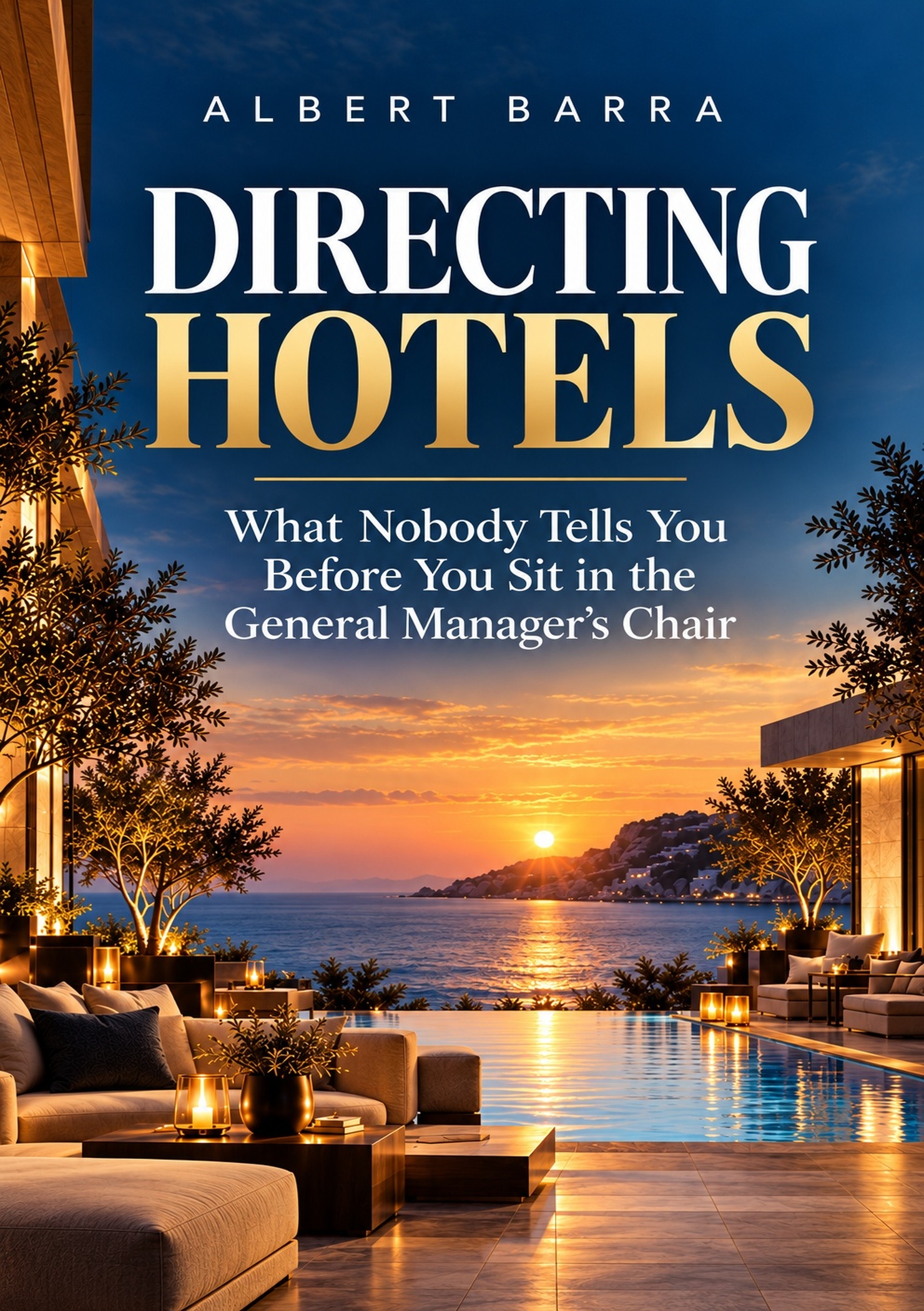 Directing HotelsWhat Nobody Tells You Before You Sit in the General Manager’s Chair
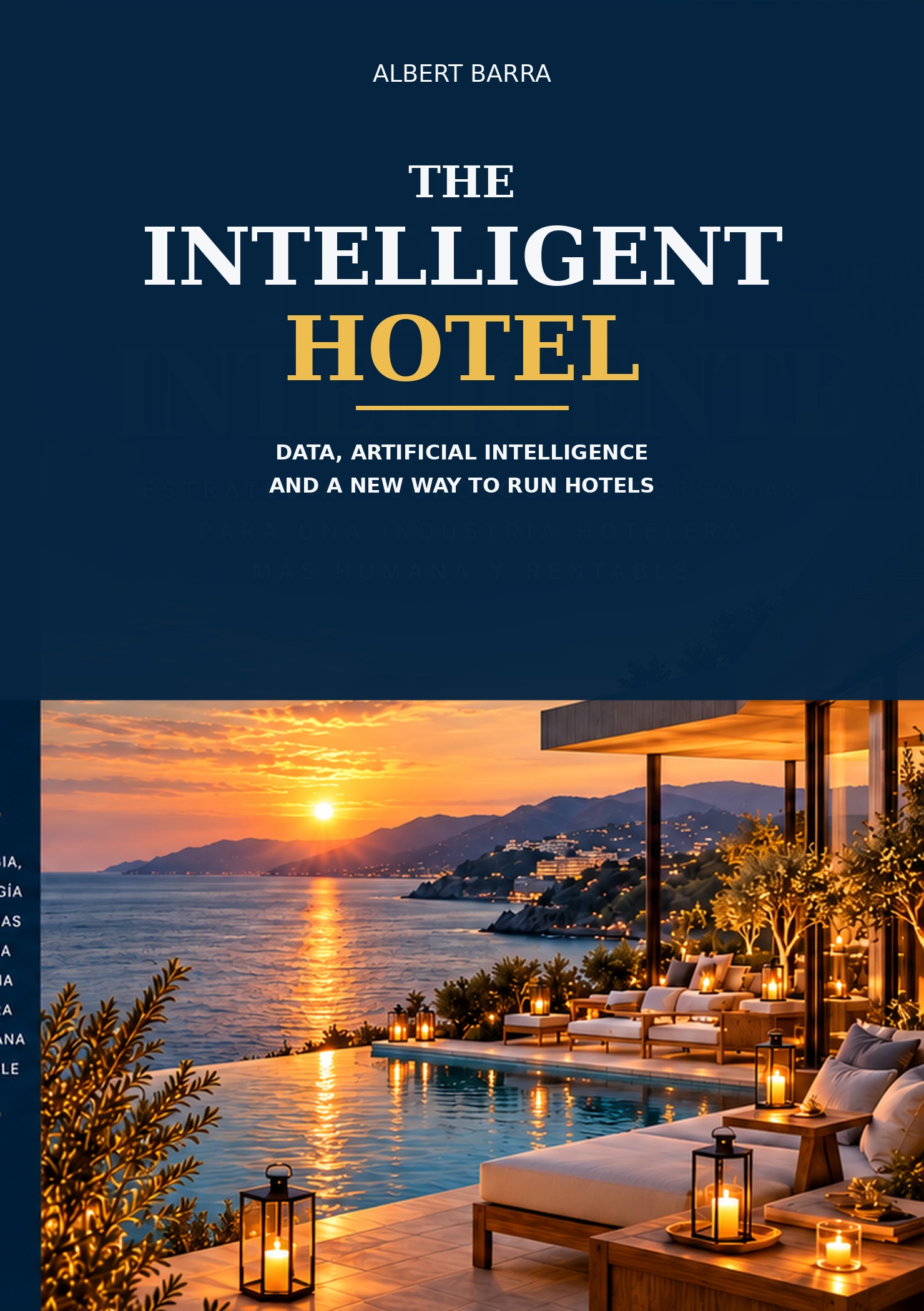 The Intelligent HotelData, Artificial Intelligence and a New Way to Run Hotels
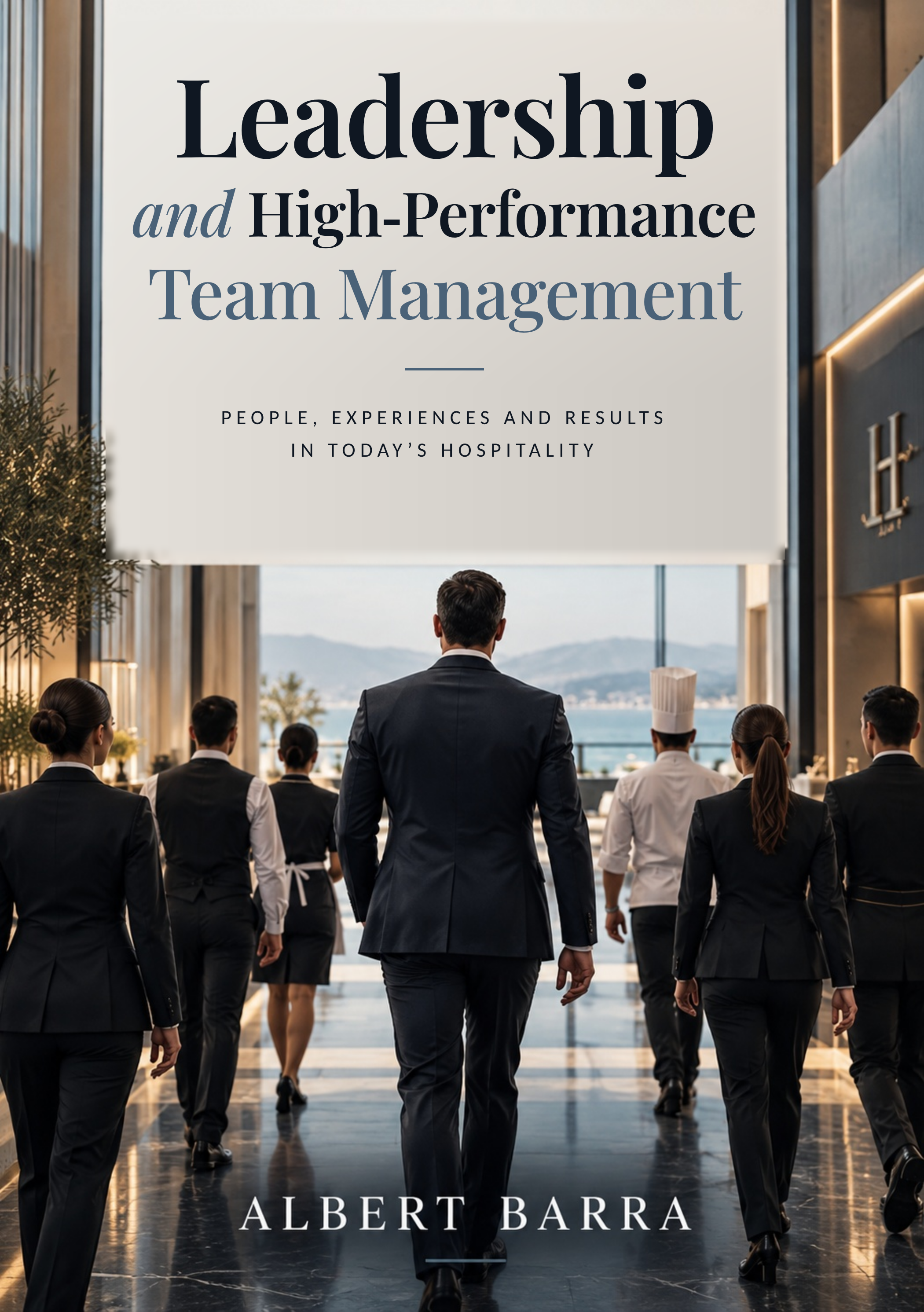 Leadership and High-Performance Team ManagementPeople, Experiences and Results in Today\\\'s Hospitality
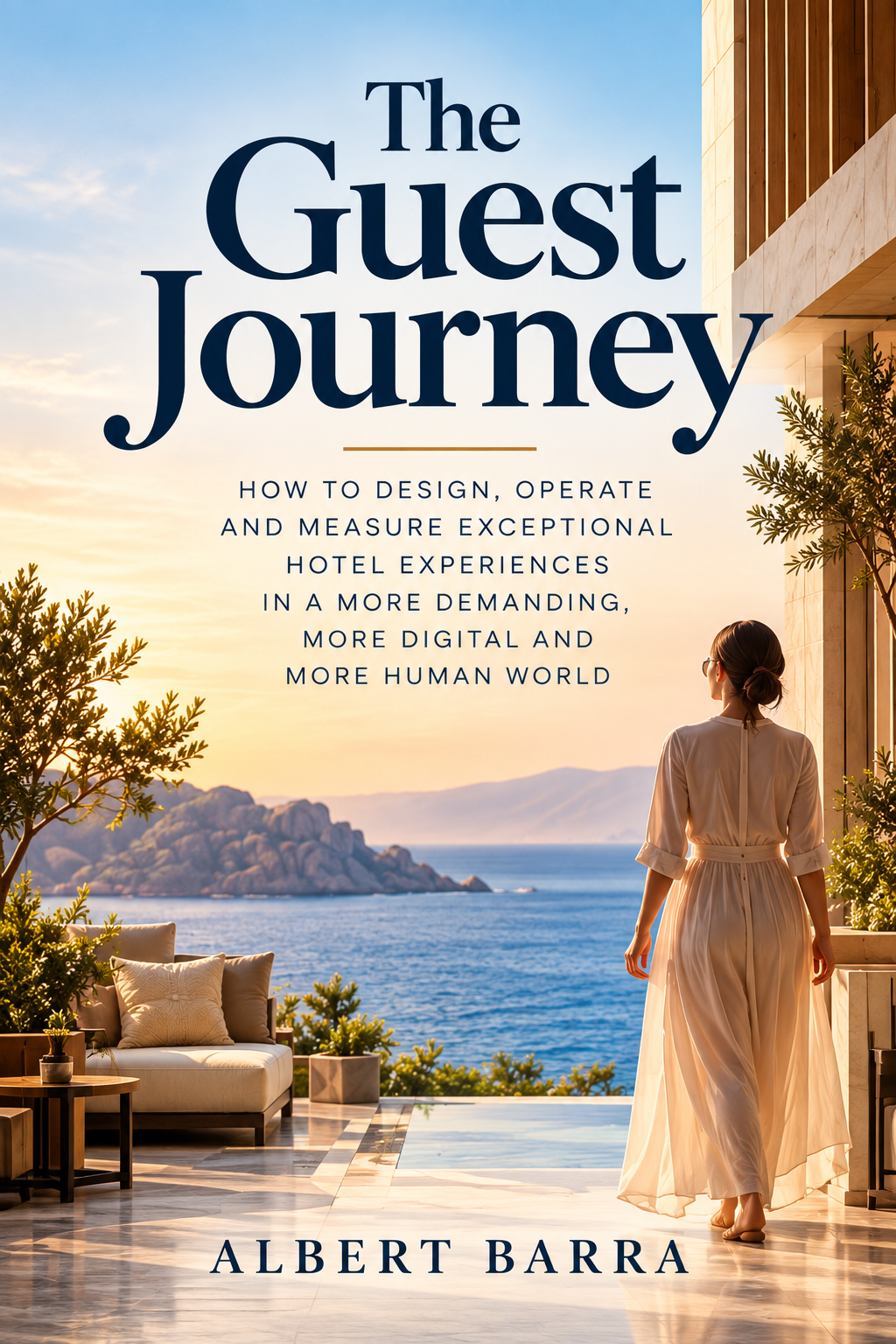 The Guest JourneyDesigning Customer Experience Across the Entire Hotel Journey
Some hotels do not have a product problem. They have a culture problem.
And it manifests itself in clear symptoms:
-
Lack of accountability.
-
Micromanagement imposed by ownership.
-
Constant reaction instead of prevention.
-
No rigorously audited standards.
-
Commercial promises that operations cannot sustain.
True luxury today is not marble; it is reliability. It is not the designer lamp; it is anticipation. It is not emotional messaging; it is seamless, silent execution.
The premium guest is not looking for aesthetic perfection. They are looking for emotional security. They are looking for consistency. They want to know that everything will work as it should.
And that can only be achieved when there is:
-
A strong organisational culture
-
Consistent leadership
-
Well-designed processes
-
Continuous training
-
Genuine respect for the team
A team that experiences internal inconsistency can never deliver external consistency.
Here comes the uncomfortable part.
Some hotels do not need more investment. They need more honesty. Honesty to recognise that the problem is not the OTA, the demanding guest or the economic context. The problem is the gap between what we say we are and what we actually do.
That gap is called false excellence.
- If you want to operate in the premium segment, start by safeguarding your culture.
- Review your processes before your branding.
- Strengthen your leadership before your logo.
- Take care of your team before your Instagram feed.
Because luxury is not declared. It is demonstrated, shift by shift.
And if you truly aspire to excellence in Hospitality, stop asking yourself how to appear more premium… and start asking how to become more consistent. Excellence does not need adjectives. It needs consistency.
This article ends here. The archive does not.
Lead Hospitality brings together 1200 English articles published since 2018: years of experiences, decisions and lessons you can keep exploring.
What would you like to explore next?
Choose a direction and keep reading around what you want to solve, learn or challenge.