
Hotel Value Proposition: Why Guests Should Choose You



Why should I choose you?Wherever your customer discovers you—on a website, through an advertising campaign, on your own website, and so on—your hotel’s value proposition must be strong. Your website, of course, should be a major focus, as it is your gateway to direct bookings.
 The value proposition is one of the most overlooked aspects of marketing, yet it plays an important role. With today’s focus on experiences and positioning your property as unique, it is a key part of persuading customers to book.
If your value proposition is weak, you will be as distinctive as a self-help paperback in a bookshop, and you risk having your message diluted among many others that communicate it better or have stronger brand positioning. Many potential customers will overlook it or simply forget they ever saw it.
A strong value proposition, on the other hand, tells customers what makes you special and unique: it tells them why you are the perfect match for them.
Here are our top tips for creating a value proposition that will elevate you above your competitors and generate more direct bookings.
What Is a Value Proposition?
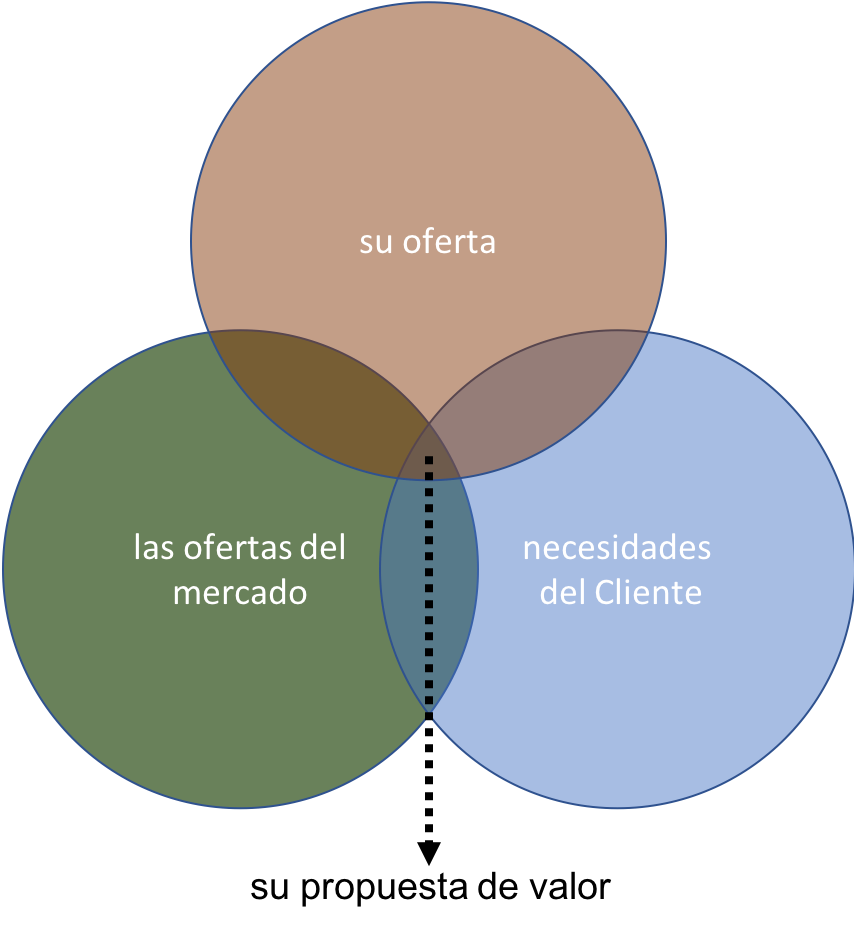
What Makes a Good Value Proposition?
No two value propositions will be alike. Most, however, share similar elements that effectively convey information to customers. These include:1. A Clear Headline
This is usually the main benefit being offered or the biggest problem you are solving for customers. Either way, it must quickly capture attention. Your headline is the first thing that catches your guest’s eye when they arrive on your website, and they will quickly decide whether to continue investing their time and attention.
2. A Visual Element
Images are powerful communicators. Make sure you include images that reinforce your message. These may be images of specific features of your facilities or seasonal imagery.



My published books
3. A 2–4 Sentence Paragraph
This includes specific details about what you offer. For whom? What exactly does it do? And what makes you special? Do not be tempted to fill your website with endless lists of irrelevant details. For example, customers will assume you provide ironing boards in your rooms; you do not need to specify it. Focus on the big things: "A romantic 18th-century hotel created from a restored mill beside a beautiful canal" will speak to your customer more effectively than learning that you offer extra beds.
4. Bullet Points
This is where you will list your main benefits and key features. There is no need to go into every essential detail; instead, use powerful language to capture customers’ interest and make them want to learn more.
Creating Your Value Proposition
The greatest obstacle businesses face is creating an effective value proposition; the second is communicating it clearly, and the third is testing/measuring the value proposition. If your potential customer has to wonder what you offer after reading your value proposition, we have already lost them. Clarity is the key to a high-converting value proposition. So, what makes up a clear value proposition that customers can easily understand?- It can be read and understood in 10–20 seconds.
- It explains what makes you different or unique.
- It avoids vague, filler descriptions such as "top-rated" or "satisfaction guaranteed".
- It conveys the benefits of choosing your hotel. Your guest must know exactly how they receive more value when they stay with you. It should also include the added value of booking direct.
This article ends here. The archive does not.
Lead Hospitality brings together 1200 English articles published since 2018: years of experiences, decisions and lessons you can keep exploring.
What would you like to explore next?
Choose a direction and keep reading around what you want to solve, learn or challenge.